

Book
The Monroe Doctrine
Empire and Nation in Nineteenth-century America
Jay Sexton
Farrar Straus & Giroux · Print & ebook · February 28, 2012
Reading lane: 19th-Century America
A Concise History of the (In)Famous Doctrine that Gave Rise to the American Empire President James Monroe's 1823 message to Congress declaring opposition to European colonization in the Western Hemisphere became the cornerstone of nineteenth-century American statecraft.
At a Glance
Who It's For
Book Details
- Authors
- Jay Sexton
- Publisher
- Farrar Straus & Giroux
- Published
- February 28, 2012
- Format
- Print & ebook
- Theme
- 19th-Century America · Revolutionary America (1775-1800)
- Reading lane
- 19th-Century America
Affinity
Publisher Categories
19th-Century America
Diplomacy
About This Book
A Concise History of the (In)Famous Doctrine that Gave Rise to the American Empire President James Monroe's 1823 message to Congress declaring opposition to European colonization in the Western Hemisphere became the cornerstone of nineteenth-century American statecraft. Monroe's message proclaimed anticolonial principles, yet it rapidly became the myth and means for subsequent generations of politicians to pursue expansionist foreign policies. Time and again, debates on the...
Read full description
Similar Books

James Monroe
Tim McGrath · Penguin Publishing Group
Affinity signal
Revolutionary America (1775-1800)
19th-Century America

Colossus
Niall Ferguson · Penguin Publishing Group
Affinity signal
World Politics
Diplomacy
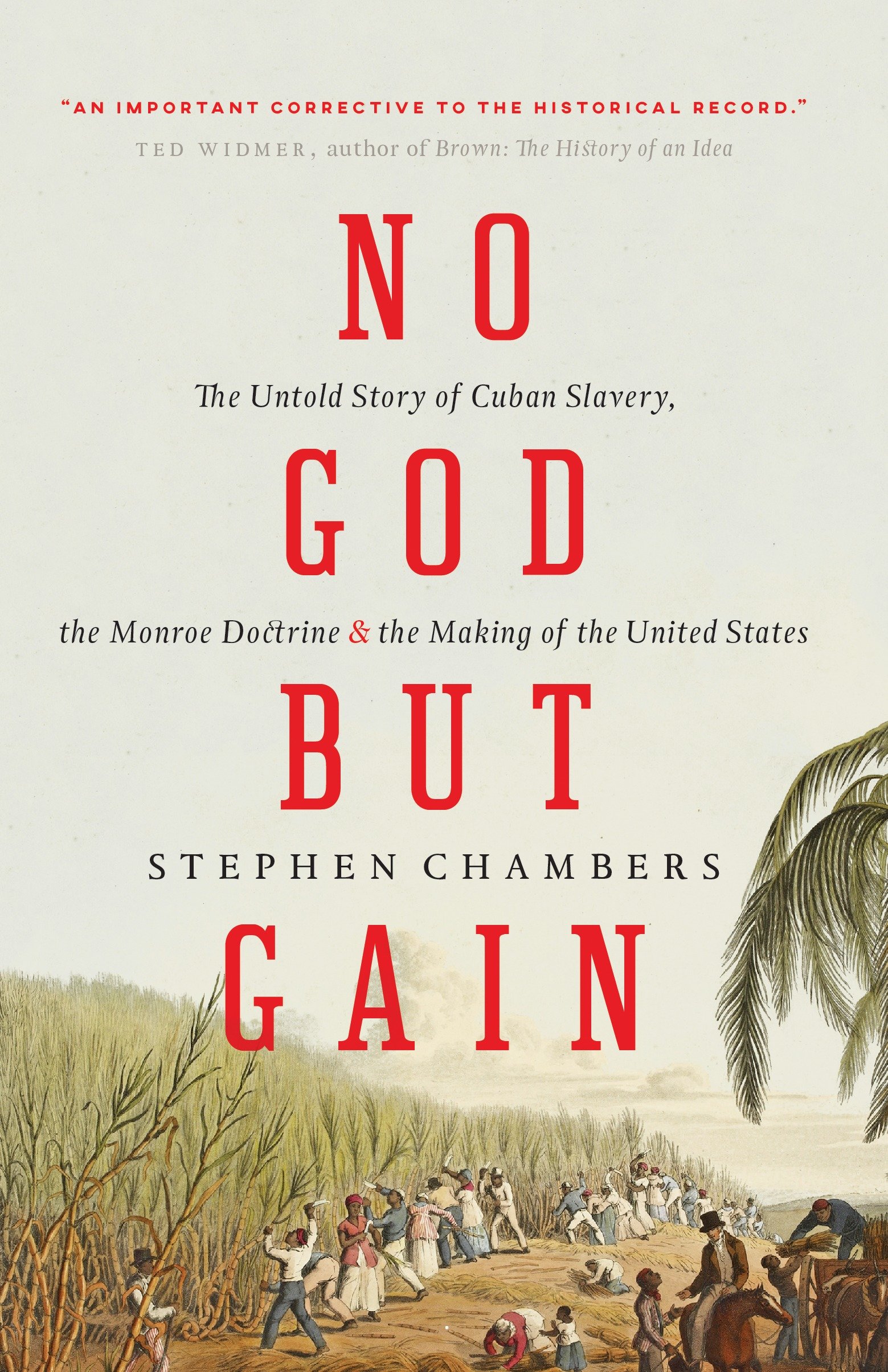
No God But Gain
Stephen Chambers · Verso Books
Affinity signal
Cuban History
19th-Century America
Inside the Monster
José Martí · Monthly Review Press
Affinity signal
Caribbean & Latin American Studies
Cuban History
Empire's Workshop
Greg Grandin · Picador
Affinity signal
World Politics
21st-Century America
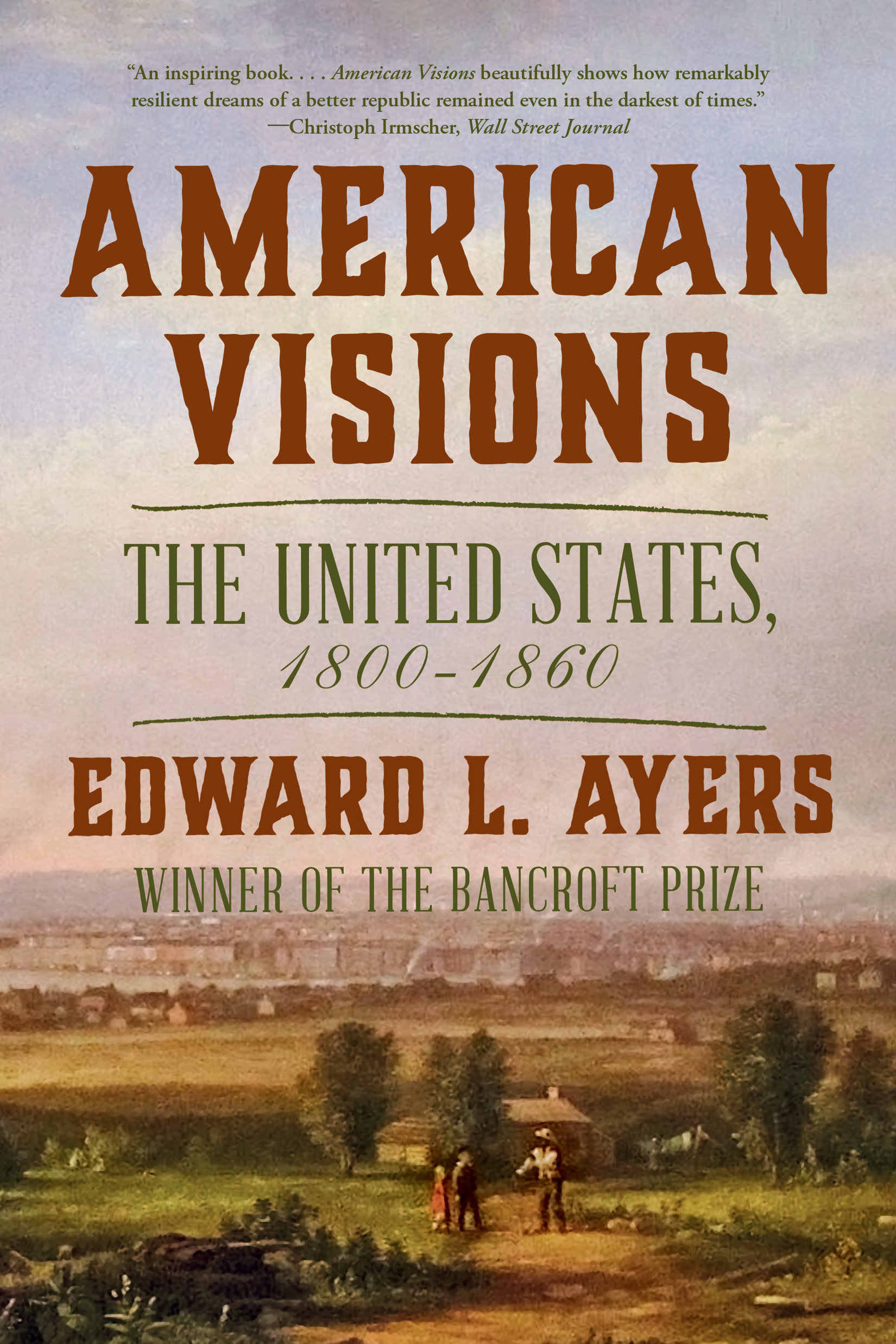
American Visions
Edward L. Ayers · WW Norton
Affinity signal
19th-Century America
Revolutionary America (1775-1800)