

Book
The Lightning Dreamer
Cuba's Greatest Abolitionist
Margarita Engle
HarperCollins · Print & ebook · September 15, 2015
Reading lane: Central & South American History
“I find it so easy to forget / that I’m just a girl who is expected / to live / without thoughts.” Opposing slavery in Cuba in the nineteenth century was dangerous.
At a Glance
Why This Clicks
Poetry Against Silence
Accessible verse brings a book-loving feminist and abolitionist’s resistance into vivid focus.
Come here for
- A poetic voice shaped by feminist conviction and opposition to slavery
- A window into nineteenth-century Cuban abolitionism
Expect
- Passionate, accessible verses rather than conventional prose
- Historical notes, excerpts, and source notes alongside the poems
Book Details
- Authors
- Margarita Engle
- Publisher
- HarperCollins
- Published
- September 15, 2015
- Format
- Print & ebook
- Theme
- Central & South American History · Caribbean & Latin America for Teens
- Reading lane
- Central & South American History
Affinity
Publisher Categories
Lives in History
Writers' Lives
Women's Lives
Family
Show all 8 publisher categories
Girls & Women
Central & South American History
Caribbean & Latin America for Teens
Poetry for Teens
About This Book
“I find it so easy to forget / that I’m just a girl who is expected / to live / without thoughts.” Opposing slavery in Cuba in the nineteenth century was dangerous. The most daring abolitionists were poets who veiled their work in metaphor. Of these, the boldest was Gertrudis Gómez de Avellaneda, nicknamed Tula. In passionate, accessible verses of her own, Engle evokes the voice of this book-loving feminist and abolitionist who bravely resisted an arranged marriage at the ag...
Read full description
Similar Books
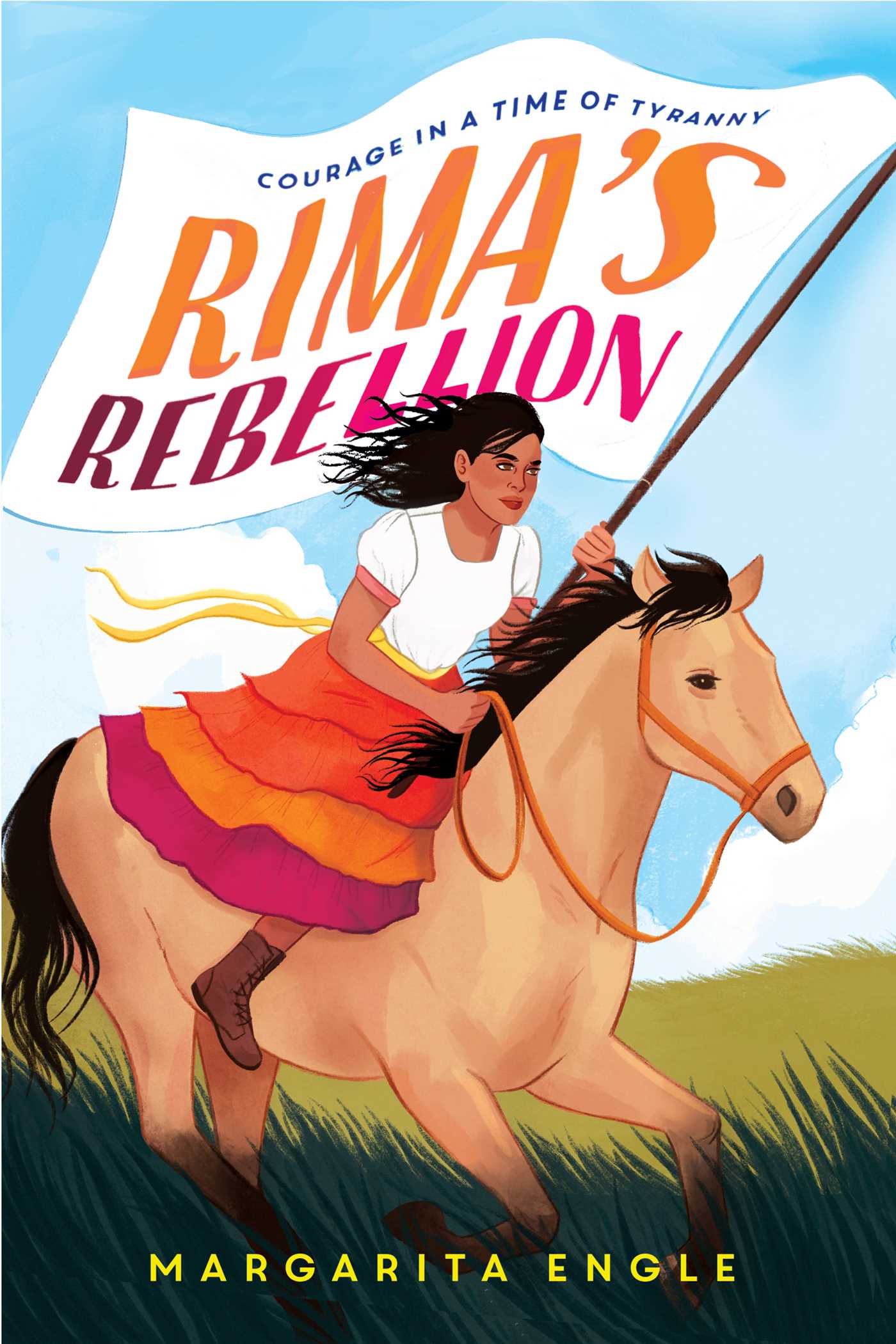
Rima's Rebellion
Margarita Engle · Atheneum Books for Young Readers
Affinity signal
Caribbean & Latin America for Teens
Central & South American History
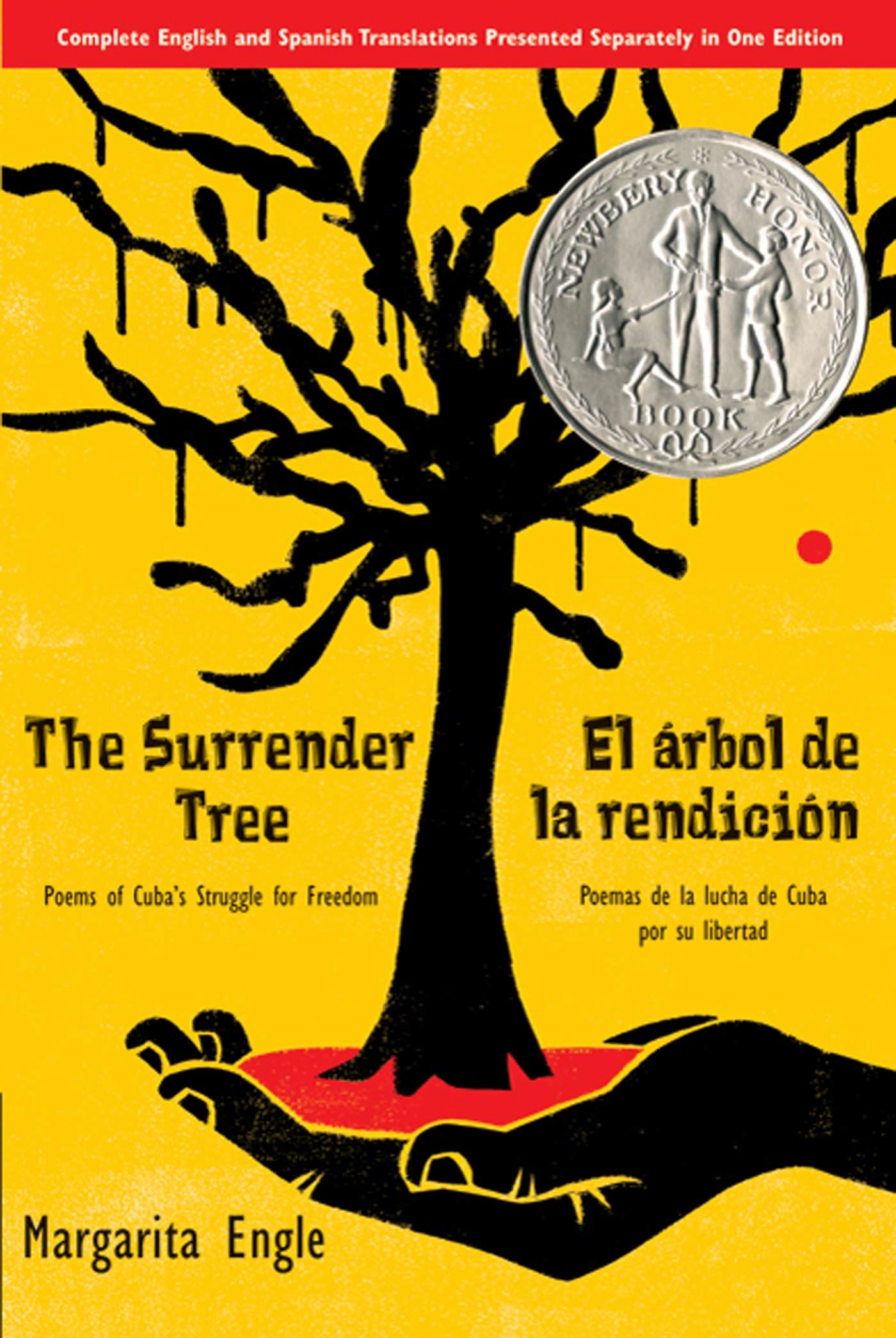
The Surrender Tree / El Árbol De La Rendición
Margarita Engle · Square Fish
Affinity signal
Central & South American History
Caribbean & Latin America for Teens
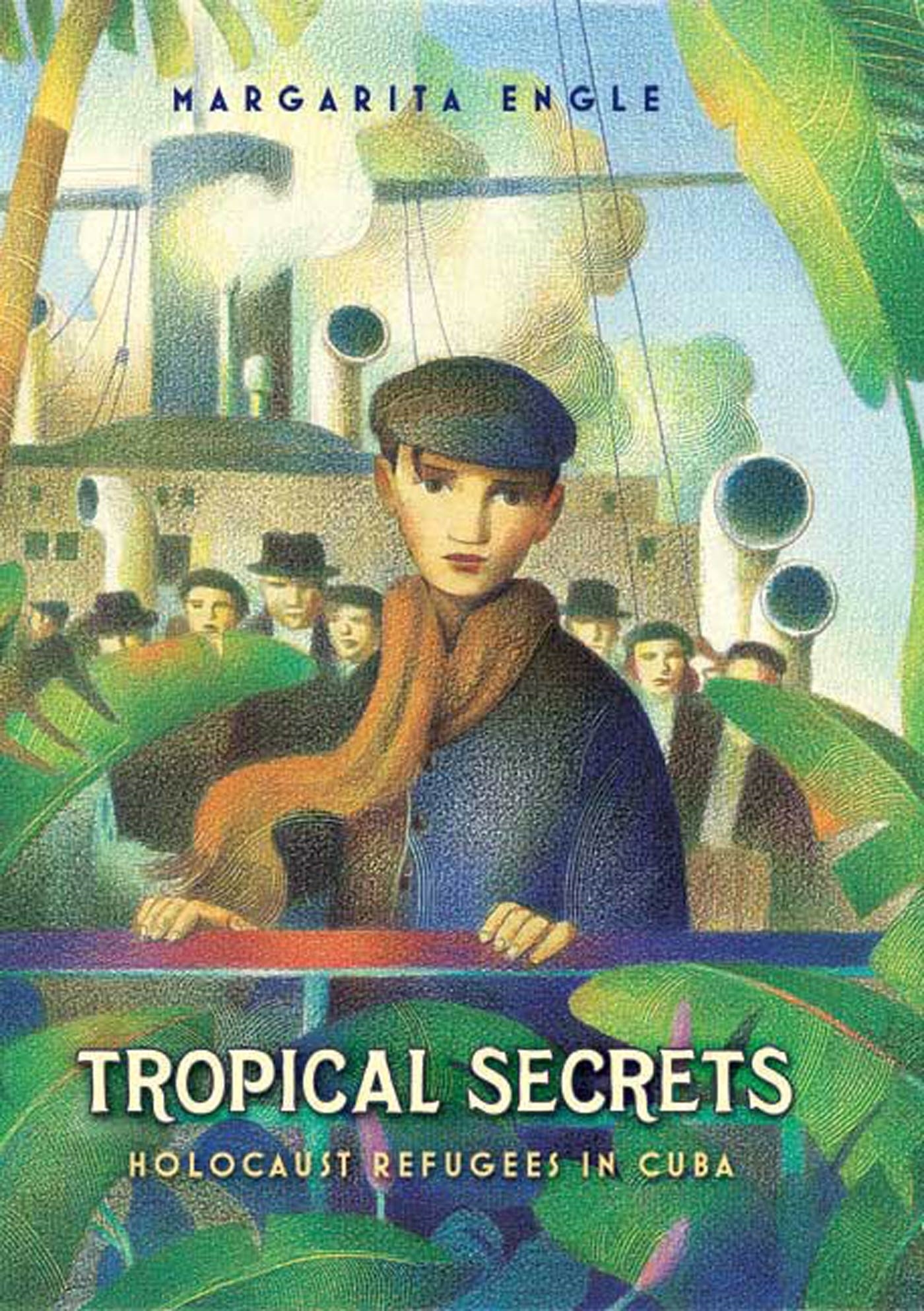
Tropical Secrets
Margarita Engle · Henry Holt and Co.
Affinity signal
Caribbean & Latin America for Teens
Holocaust Stories for Teens
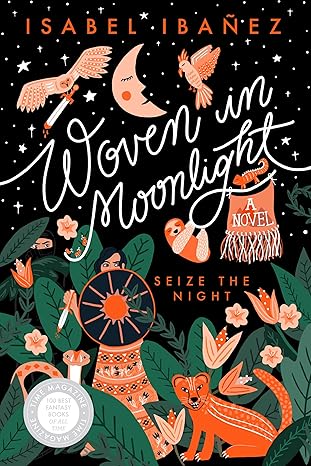
Woven in Moonlight
Isabel Ibañez · Page Street Publishing
Affinity signal
Caribbean & Latin America for Teens
Ethnic & Regional Fairy Tales for Teens

Copper Sun
Sharon M. Draper · Atheneum Books for Young Readers
Affinity signal
Historical YA - Africa
Civil War Era YA

The Eternal Forest
Elena Sheppard · St. Martin's Press
Affinity signal
Hispanic & Latino Biography
Cuban History

Cuba
Antoni Kapcia · Bloomsbury
Affinity signal
Cuban History
Caribbean & Latin American Studies