
The Goodness Paradox
The Strange Relationship Between Virtue and Violence in Human Evolution
A sharp look at how human goodness and aggression evolved together.
Virtue and Violence
Come here for
- virtue and violence, held in the same frame
- rigorous evolutionary argument, classroom-ready
Expect
- physical anthropology with social theory
- serious, explanatory nonfiction
Where it sits
How strongly BookFrontier reads the book as belonging to each subject.
Nearest books
Matched by our semantic model. Ordered by what its readers also loved. Most of these share its genre: Physical Anthropology.
 Catching FireRichard Wrangham56% subject match
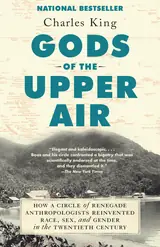 Gods of the Upper AirCharles King48% subject match
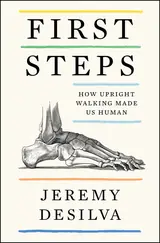 First StepsJeremy DeSilva50% subject match
 War before CivilizationLawrence H. Keeley62% subject match
 KindredRebecca Wragg Sykes53% subject match
For younger readers: Unstoppable Us, Volume 1: How Humans Took Over the World, How to Build a Human, the Skull in The Rock
Start with three books, and this one can be the first.
Members get a new edition every morning: a route out from their books to essays, research and talks, with the reason for each.
Sign upAbout this book
“A fascinating new analysis of human violence, filled with fresh ideas and gripping evidence from our primate cousins, historical forebears, and contemporary neighbors.”
—Steven Pinker, author of The Better Angels of Our Nature
We Homo sapiens can be the nicest of species and also the nastiest. What occurred during human evolution to account for this paradox? What are the two kinds of aggression that primates are prone to, and why did each evolve separately?
Continue reading
How does the intensity of violence among humans compare with the aggressive behavior of other primates? How did humans domesticate themselves? And how were the acquisition of language and the practice of capital punishment determining factors in the rise of culture and civilization?
Authoritative, provocative, and engaging, The Goodness Paradox offers a startlingly original theory of how, in the last 250 million years, humankind became an increasingly peaceful species in daily interactions even as its capacity for coolly planned and devastating violence remains undiminished. In tracing the evolutionary histories of reactive and proactive aggression, biological anthropologist Richard Wrangham forcefully and persuasively argues for the necessity of social tolerance and the control of savage divisiveness still haunting us today.
Publisher details
Publisher categories
- Biology
- Evolution
- Primatology
- Authors
- Richard Wrangham
- Publisher
- Knopf Doubleday Publishing Group
- Published
- December 3, 2019
- Format
- Print & ebook
- Reading lane
- Biology