
The Design of Everyday Things
Paperback – Illustrated, November 5, 2013
Basic Books · Paperback · November 5, 2013
The essential guide to human-centered design “Even more relevant today than it was when first published.”—Tim Brown, CEO, IDEO Even the smartest among us can feel inept as we fail to figure out which light switch or oven burner to turn on, or whether to push, pull, or slide a door.
We earn from qualifying purchases.
- Who it’s for
- Readers interested in product design and usability
- Themes
- design principles, usability, cognitive psychology
- Pacing
- Reflective
Nearest books
Matched by what the books are about, then ordered by what their readers also loved.
 The Checklist ManifestoAtul Gawande55% match
 StructuresJ. E. Gordon55% match
 PeoplewareTom DeMarco, Tim Lister56% match
 How We Got to NowSteven Johnson54% match
 Growing Object-oriented Software, Guided by TestsSteve Freeman, Nat Pryce53% match
 Julia Watson. Lo—TEK. Design by Radical IndigenismJulia Watson, W.e. Studio53% match
 Don't Make Me Think, RevisitedSteve Krug66% matchShares Human-Computer Interaction
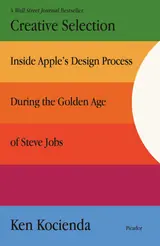 Creative SelectionKen Kocienda58% matchShares Human-Computer Interaction
For younger readers: The Way Things Work: Newly Revised Edition, How Does My Home Work?
Start with three books, and this one can be the first.
Members get a new edition every morning: a route out from their books to essays, research and talks, with the reason for each.
Join the waitlistAbout this book
The essential guide to human-centered design “Even more relevant today than it was when first published.”—Tim Brown, CEO, IDEO Even the smartest among us can feel inept as we fail to figure out which light switch or oven burner to turn on, or whether to push, pull, or slide a door. The fault, argues this ingenious—even liberating—book, lies not in ourselves, but in product design that ignores the needs of users and the principles of cognitive psychology.
Continue reading
The problems range from ambiguous and hidden controls to arbitrary relationships between controls and functions, coupled with a lack of feedback or other assistance and unreasonable demands on memorization. The Design of Everyday Things shows that good, usable design is possible. The rules are simple: make things visible, exploit natural relationships that couple function and control, and make intelligent use of constraints. The goal: guide the user effortlessly to the right action on the right control at the right time. The Design of Everyday Things is a powerful primer on how—and why—some products satisfy customers while others only frustrate them.
Who it’s for
- Readers interested in product design and usability
- Those curious about cognitive psychology's role in design
Where it sits
| Applied Psychology | 47% |
|---|---|
| Product Design | 45% |
| Human-Computer Interaction | 30% |
Percentages are BookFrontier’s reading of the book.
Publisher categories
- Retailing
- Design History
- Product Design
- Applied Psychology
- Authors
- Don Norman
- Publisher
- Basic Books
- Published
- November 5, 2013
- Format
- Paperback
- Theme
- design principles · usability · cognitive psychology
- Reading lane
- Retailing