

Book
The Cybernetics Moment
Or Why We Call Our Age the Information Age
Ronald R. Kline
Johns Hopkins University Press · Print & ebook · October 16, 2017
Reading lane: Human-Computer Interaction
How did cybernetics and information theory arise, and how did they come to dominate fields as diverse as engineering, biology, and the social sciences?
At a Glance
Who It's For
Book Details
- Authors
- Ronald R. Kline
- Publisher
- Johns Hopkins University Press
- Published
- October 16, 2017
- Format
- Print & ebook
- Theme
- Human-Computer Interaction · Tech Industry
- Reading lane
- Human-Computer Interaction
Affinity
Publisher Categories
Cybernetics
20th-Century America
History of Science
History of Technology
About This Book
How did cybernetics and information theory arise, and how did they come to dominate fields as diverse as engineering, biology, and the social sciences? Winner of the CHOICE Outstanding Academic Title of the Choice ACRL Outstanding Academic Title, Choice Cybernetics—the science of communication and control as it applies to machines and to humans—originates from efforts during World War II to build automatic antiaircraft systems. Following the war, this science extended beyond...
Read full description
Similar Books

Nexus
Yuval Noah Harari · Random House Publishing Group
Affinity signal
Tech Industry
Modern History

The Human Use of Human Beings
Norbert Wiener, Brian Christian · HarperCollins
Affinity signal
Human-Computer Interaction
Tech Industry
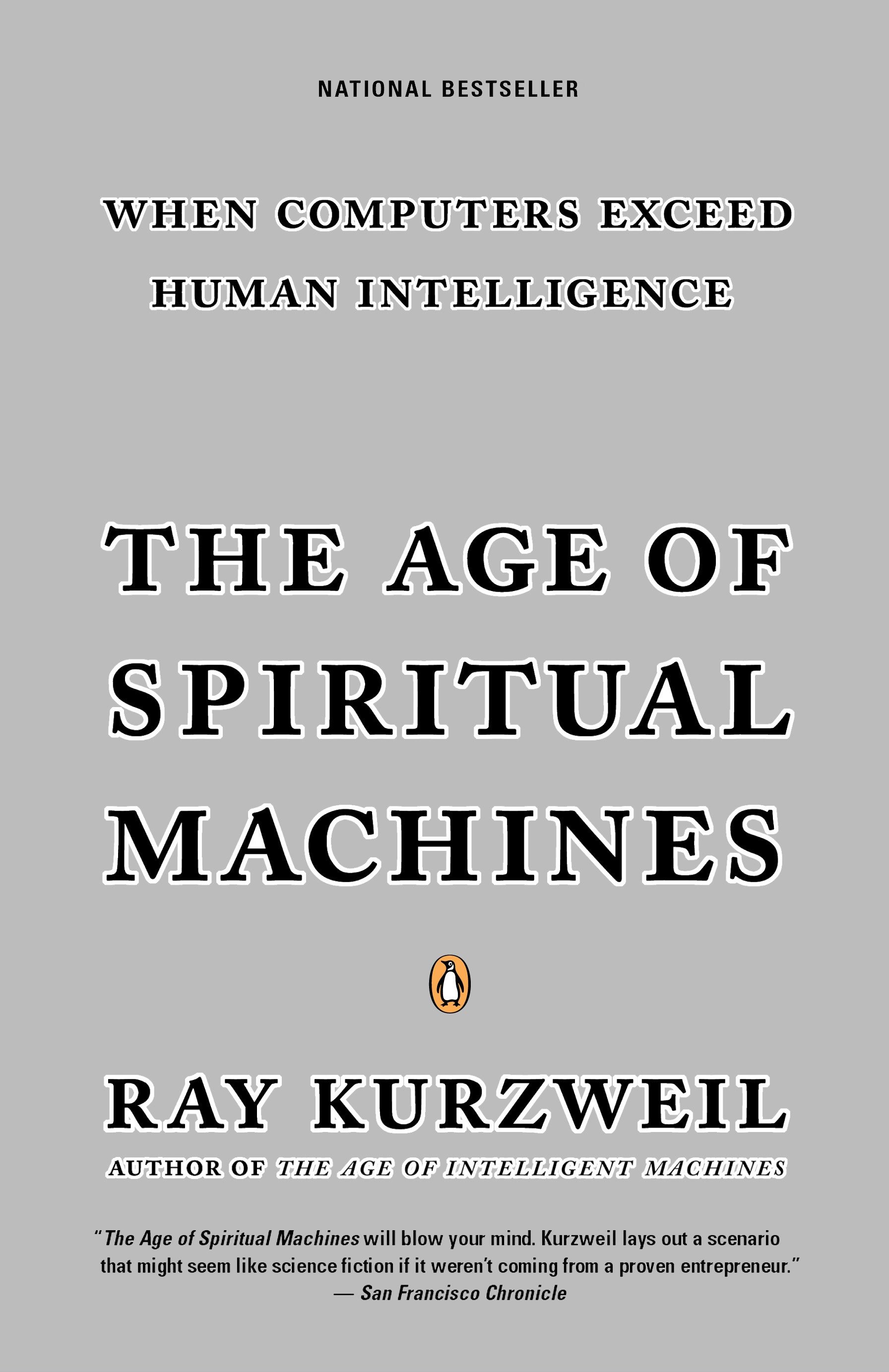
The Age of Spiritual Machines
Ray Kurzweil · Penguin Publishing Group
Affinity signal
Tech Industry
Human-Computer Interaction

The Idea Machine
Joel J. Miller · Globe Pequot Publishing
Affinity signal
Human-Computer Interaction
Tech Industry
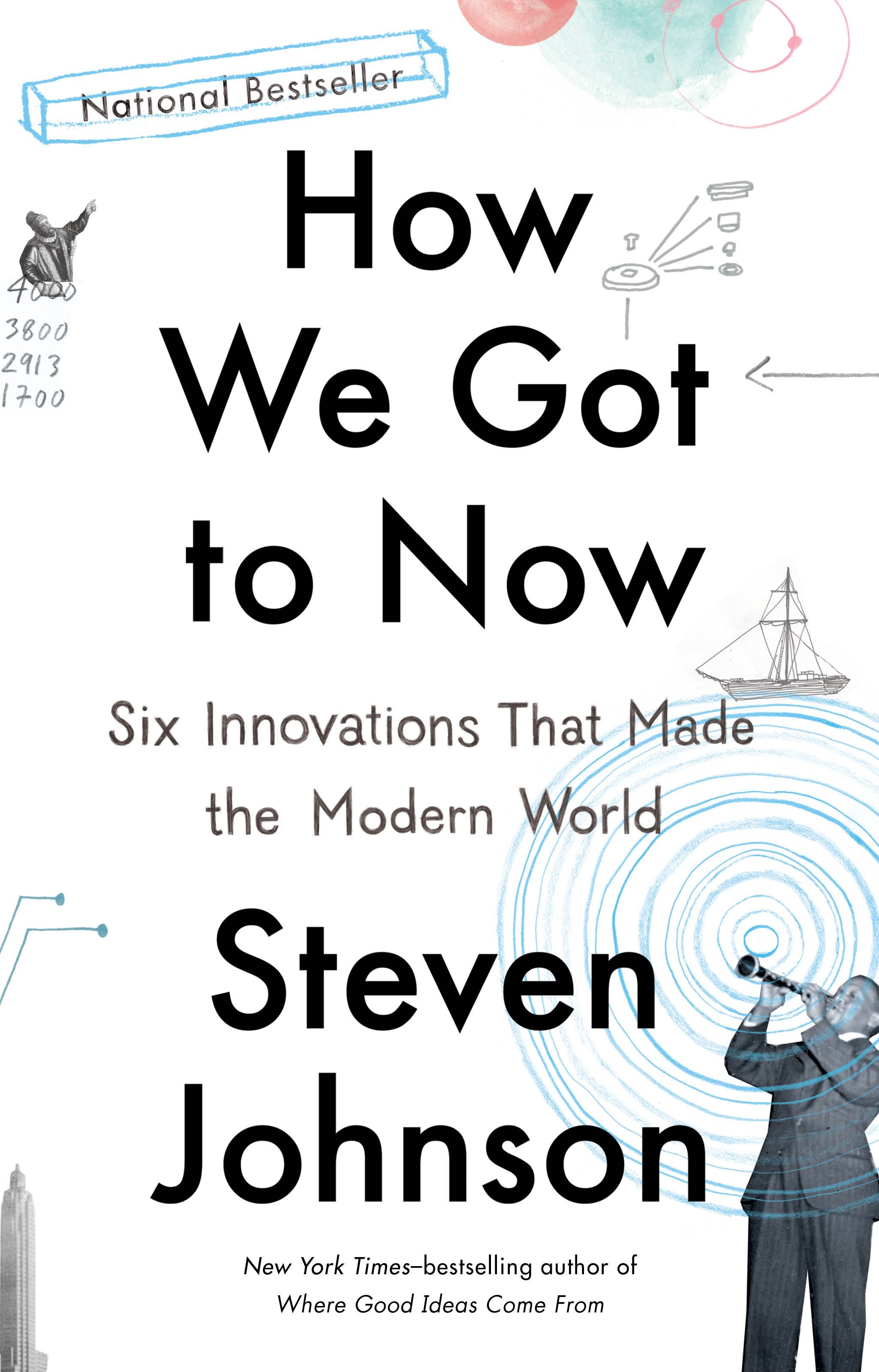
How We Got to Now
Steven Johnson · Penguin Publishing Group
Affinity signal
Inventions & Inventors
Tech Industry