

Book
The Cheese and the Worms
The Cosmos of a Sixteenth-century Miller
Carlo Ginzburg
Johns Hopkins University Press · Print & ebook · October 15, 2013
Reading lane: Renaissance History
The now-classic tale of a sixteenth-century miller facing the Roman Inquisition.
At a Glance
Why This Clicks
Ideas Under Pressure
A miller’s trial opens onto the lively friction between books, oral culture, and authority.
Come here for
- A close view of popular culture through one unusual reader
- The strange, memorable cosmos Menocchio made from what he read
Expect
- Trial records read as a window onto social and religious conflict
- A layered study of how written and oral cultures meet
Book Details
- Authors
- Carlo Ginzburg
- Publisher
- Johns Hopkins University Press
- Published
- October 15, 2013
- Format
- Print & ebook
- Theme
- Renaissance History · Italian Literary Criticism
- Reading lane
- Renaissance History
Affinity
Publisher Categories
Religious Lives
Historiography
Renaissance History
About This Book
The now-classic tale of a sixteenth-century miller facing the Roman Inquisition. The Cheese and the Worms is an incisive study of popular culture in the sixteenth century as seen through the eyes of one man, the miller known as Menocchio, who was accused of heresy during the Inquisition and sentenced to death. Carlo Ginzburg uses the trial records to illustrate the religious and social conflicts of the society Menocchio lived in. For a common miller, Menocchio was surprising...
Read full description
Similar Books

Clues, Myths, and the Historical Method
Carlo Ginzburg, John Tedeschi · Johns Hopkins University Press
Affinity signal
Historiography
Italian History
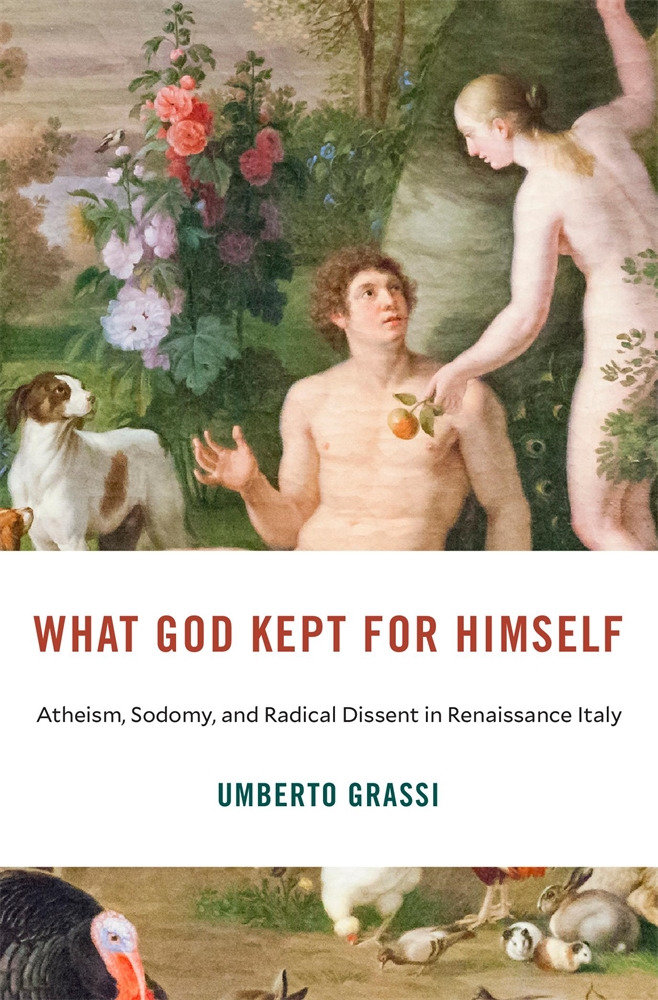
What God Kept for Himself
Umberto Grassi · WW Norton
Affinity signal
Renaissance History
16th-Century History

The Burgermeister's Daughter
Steven Ozment · HarperCollins
Affinity signal
Western European History
Renaissance YA

Inside the Stargazer's Palace
Violet Moller · Pegasus Books
Affinity signal
16th-Century History
Renaissance History
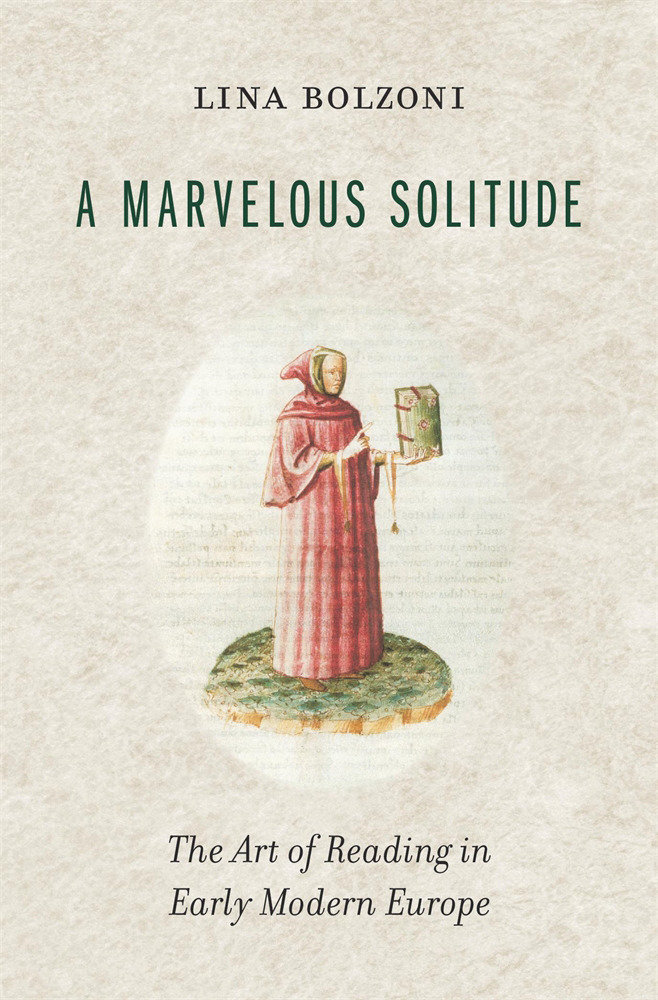
Marvelous Solitude
Lina Bolzoni, Sylvia Greenup · WW Norton
Affinity signal
Italian Literary Criticism
Renaissance History