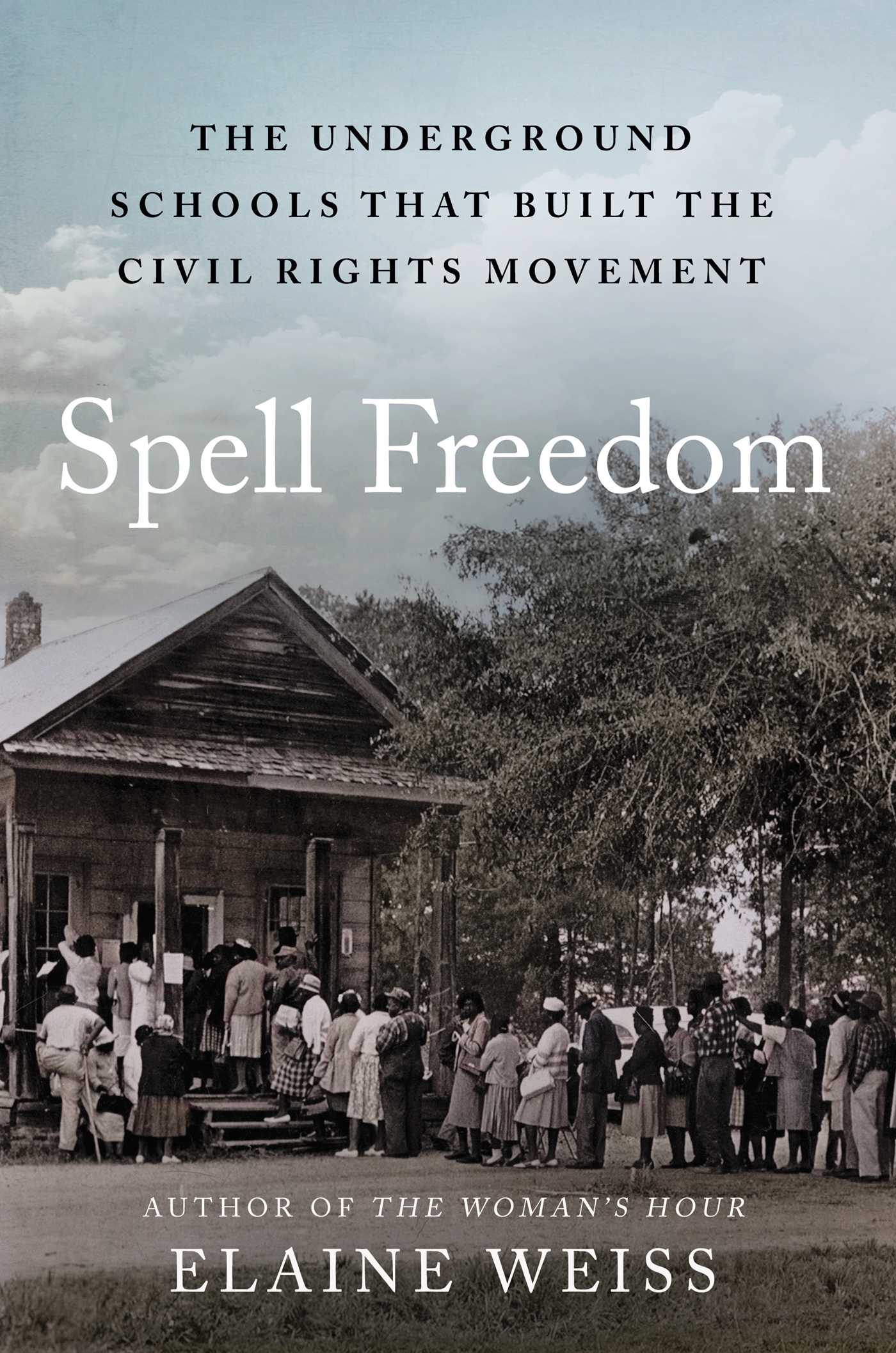
Spell Freedom
The Underground Schools That Built the Civil Rights Movement
A grounded history of how citizenship schools helped prepare Black southerners to claim the vote.
- Themes
- Civil Rights Movement, Voting rights, Community education
Rights, Made Teachable
Come here for
- Grassroots organizing told through the work of four activists
- A close look at literacy tests as tools of disenfranchisement
Expect
- An account spanning 1954 to the Voting Rights Act of 1965
- The schools’ role in nurturing a generation of activists
Where it sits
How strongly BookFrontier reads the book as belonging to each subject.
Nearest books
Matched by our semantic model. Ordered by what its readers also loved.
 Somewhere Toward FreedomBennett Parten53% subject matchShares Black History
 The Trouble of ColorMartha S. Jones54% subject matchShares Black History
 Until the Last Gun Is SilentMatthew F. Delmont58% subject matchShares Black History and Civil Rights
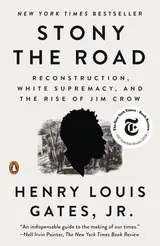 Stony the RoadHenry Louis Gates, Jr.65% subject matchShares Black History
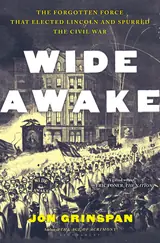 Wide AwakeJon Grinspan56% subject match
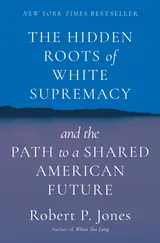 The Hidden Roots of White SupremacyRobert P. Jones59% subject matchShares Civil Rights
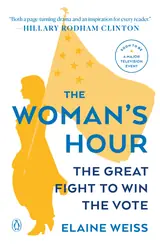 The Woman's HourElaine Weiss56% subject matchShares Civil Rights and 20th-Century America
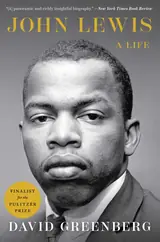 John LewisDavid Greenberg57% subject matchShares Civil Rights
For younger readers: Freedom Summer For Young People, Turning 15 on the Road to Freedom, Freedom's Children
Start with three books, and this one can be the first.
Members get a new edition every morning: a route out from their books to essays, research and talks, with the reason for each.
Sign upAbout this book
The acclaimed author of the “stirring, definitive, and engrossing” (NPR) The Woman’s Hour returns with the story of four activists whose audacious plan to restore voting rights to Black Americans laid the groundwork for the Civil Rights Movement.
Continue reading
In the summer of 1954, educator Septima Clark and small businessman Esau Jenkins travelled to rural Tennessee’s Highlander Folk School, an interracial training center for social change founded by Myles Horton, a white southerner with roots in the labor movement. There, the trio united behind a shared mission: preparing Black southerners to pass the daunting Jim Crow era voter registration literacy tests that were designed to disenfranchise them.
Together with beautician-turned-teacher Bernice Robinson, they launched the underground Citizenship Schools project, which began with a single makeshift classroom hidden in the back of a rural grocery store. By the time the Voting Rights Act was signed into law in 1965, the secretive undertaking had established more than nine hundred citizenship schools across the South, preparing tens of thousands of Black citizens to read and write, demand their rights—and vote. Simultaneously, it nurtured a generation of activists—many of them women—trained in community organizing, political citizenship, and tactics of resistance and struggle who became the grassroots foundation of the Civil Rights Movement. Dr. King called Septima Clark, “Mother of the Movement.”
In the vein of Hidden Figures and Devil in the Grove, Spell Freedom is both a riveting, crucially important lens onto our past, and a deeply moving story for our present.
Publisher details
Publisher categories
- 20th-Century America
- Civil Rights
- Race & Ethnic Relations
- Authors
- Elaine Weiss
- Publisher
- Atria/One Signal Publishers
- Published
- March 4, 2025
- Format
- Print & ebook
- Reading lane
- 20th-Century America