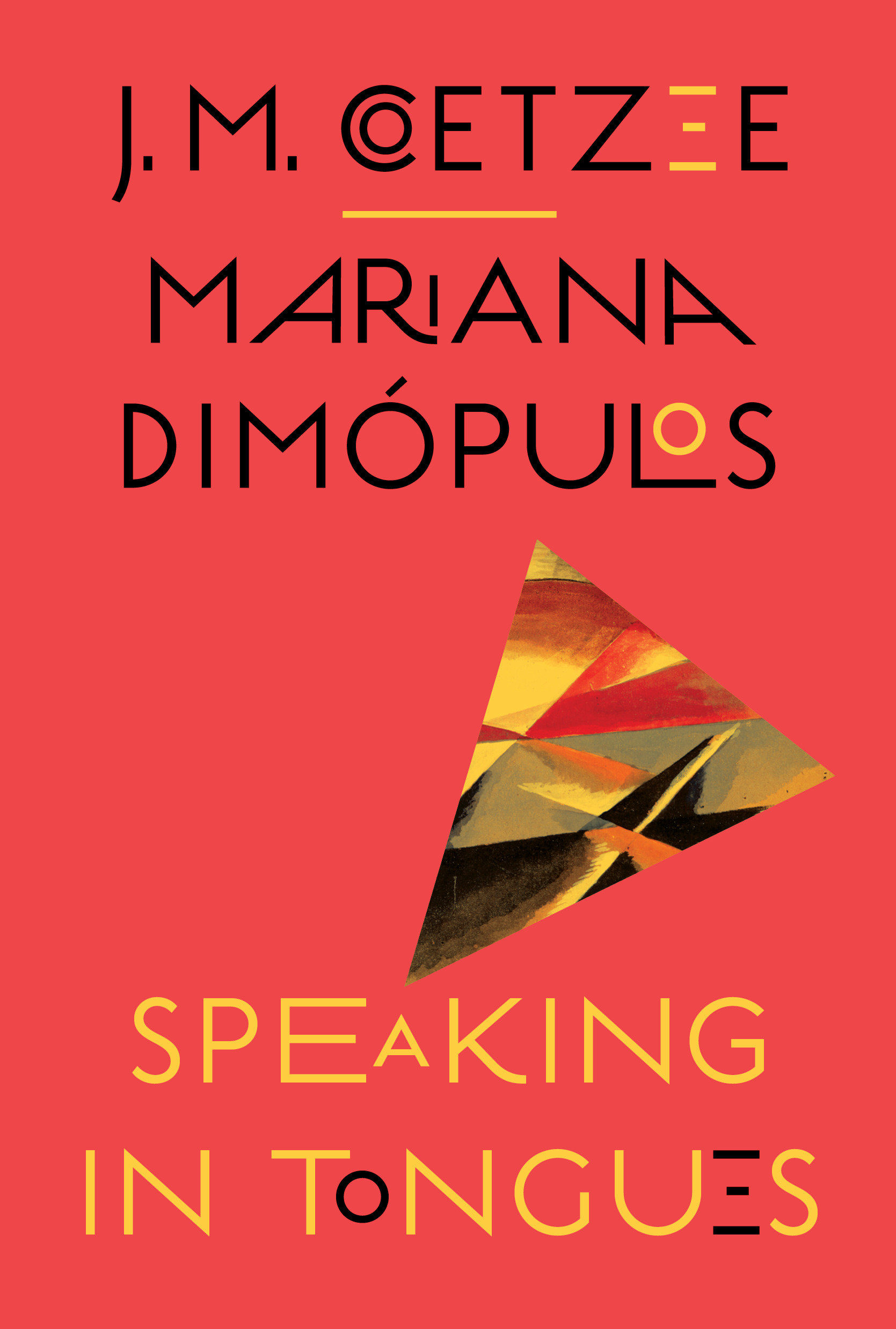
Speaking in Tongues
A lively dialogue weighs what language can express, distort, and carry across borders.
- Themes
- Language and translation, Monolingualism and linguistic power, Limits of self-expression
Language in Question
Come here for
- Questions about translation, linguistic power, and loving an acquired language
- A thoughtful meeting of language and philosophy
Expect
- An accessible dialogue between a novelist and a translator
- Nuance over easy answers about words and meaning
Where it sits
How strongly BookFrontier reads the book as belonging to each subject.
Nearest books
Matched by our semantic model. Ordered by what its readers also loved.
 The Indo-Europeans RediscoveredJ. P. Mallory48% subject match
 AlgospeakAdam Aleksic54% subject matchShares Sociolinguistics
 ExophonyYoko Tawada61% subject matchShares Sociolinguistics
 LinguaphileJulie Sedivy61% subject match
 Linguistics and PhilosophyEtienne Gilson60% subject matchShares Philosophy of Language
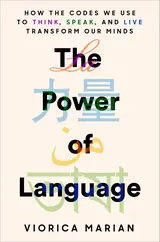 The Power of LanguageViorica Marian60% subject match
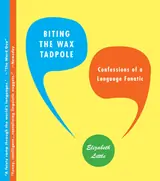 Biting the Wax TadpoleElizabeth Little60% subject match
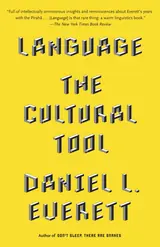 LanguageDaniel L. Everett59% subject matchShares Philosophy of Language and Sociolinguistics
For younger readers: Alphamaniacs, Love in English, Wild Tongues Can't Be Tamed
Start with three books, and this one can be the first.
Members get a new edition every morning: a route out from their books to essays, research and talks, with the reason for each.
Sign upAbout this book
Language, historically speaking, has always been slippery. Two dictionaries provide two different maps of the universe: which one is true, or are both false? Speaking in Tongues—taking the form of a dialogue between Nobel laureate novelist J. M. Coetzee and eminent translator Mariana Dimópulos—examines some of the most pressing linguistic issues that plague writers and translators well into the twenty-first century.
Continue reading
The authors address questions that we must answer in order to understand contemporary society. They inquire if one can truly love an acquired language, and they question why certain languages, like Spanish, have gender differences built into them. They examine the threat of monolingualism and ask how we can counter, if at all, the global spread of the English language, which seems to maraud like a colonial power. They question whether it should be the duty of the translator to remove morally objectionable, misogynistic, or racist language. And in the conclusion, Coetzee even speculates whether it’s only mathematics that can tell the truth about everything.
Drawing from decades of experience in the craft of language, both Dimópulos and Coetzee face the reality, as did Walter Benjamin over a century ago in his seminal essay “The Task of the Translator,” that when it comes to self-expression, some things will always get lost in translation. Speaking in Tongues finally emerges as an engaging and accessible work of philosophy, shining a light on some of the most important linguistic and philological issues of our time.
Publisher details
Publisher categories
- Linguistics
- Sociolinguistics
- Philosophy of Language
- Authors
- J. M. Coetzee, Mariana Dimópulos
- Publisher
- WW Norton
- Published
- May 6, 2025
- Format
- Hardcover
- Reading lane
- Linguistics