
Solid Seasons
The Friendship of Henry David Thoreau and Ralph Waldo Emerson
- Themes
- Literary friendship, Thoreau and Emerson, Letters and journals
Who it’s for
- Readers interested in Thoreau and Emerson’s literary friendship
- Readers interested in biographies built from letters and journals
Where it sits
How strongly BookFrontier reads the book as belonging to each subject.
Nearest books
Matched by our semantic model. Ordered by what its readers also loved.
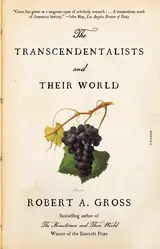 The Transcendentalists and Their WorldRobert A. Gross58% subject matchShares Writers' Lives and Transcendentalism
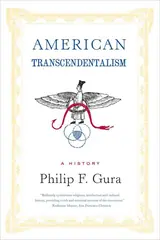 American TranscendentalismPhilip F. Gura51% subject matchShares Transcendentalism
 Deep SouthPaul Theroux47% subject match
 Brave CompanionsDavid McCullough44% subject match
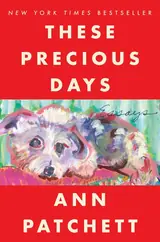 These Precious DaysAnn Patchett46% subject matchShares Writers' Lives
 The Stranger in the WoodsMichael Finkel43% subject match
For younger readers: Who Do You Think You Are?, Tree. Table. Book., Vincent and Theo
Start with three books, and this one can be the first.
Members get a new edition every morning: a route out from their books to essays, research and talks, with the reason for each.
Sign upAbout this book
A thoughtfully researched, movingly presented dual–biography of two iconic American writers, each trying to find the ideal friend with whom they could share their journey through our imperfect world.
Any biography that concentrates on either Henry David Thoreau or Ralph Waldo Emerson tends to diminish the other figure, but in Solid Seasons both men remain central and equal. Through several decades of writing, friendship remained a primary theme for them both.
Continue reading
Collecting extracts from the letters and journals of both men, as well as words written about them by their contemporaries, Jeffrey S. Cramer beautifully illustrates the full nature of their twenty–five–year dialogue. Biographers like to point at the crisis in their friendship, focusing particularly on Thoreau's disappointment in Emerson—rarely on Emerson's own disappointment in Thoreau—and leaving it there, a friendship ruptured. But the solid seasons remained, as is evident when, in 1878, Anne Burrows Gilchrist, the English writer and friend of Whitman, visited Emerson. She wrote that his memory was failing "as to recent names and topics but as is usual in such cases all the mental impressions that were made when he was in full vigour remain clear and strong." As they chatted, Emerson called to his wife, Lidian, in the next room, "What was the name of my best friend?"
"Henry Thoreau," she answered.
"Oh, yes," Emerson repeated. "Henry Thoreau."
Publisher details
Publisher categories
- Friendship
- 19th-Century America
- Transcendentalism
- Authors
- Jeffrey S. Cramer
- Publisher
- Catapult
- Published
- April 9, 2019
- Format
- Print & ebook
- Reading lane
- Friendship