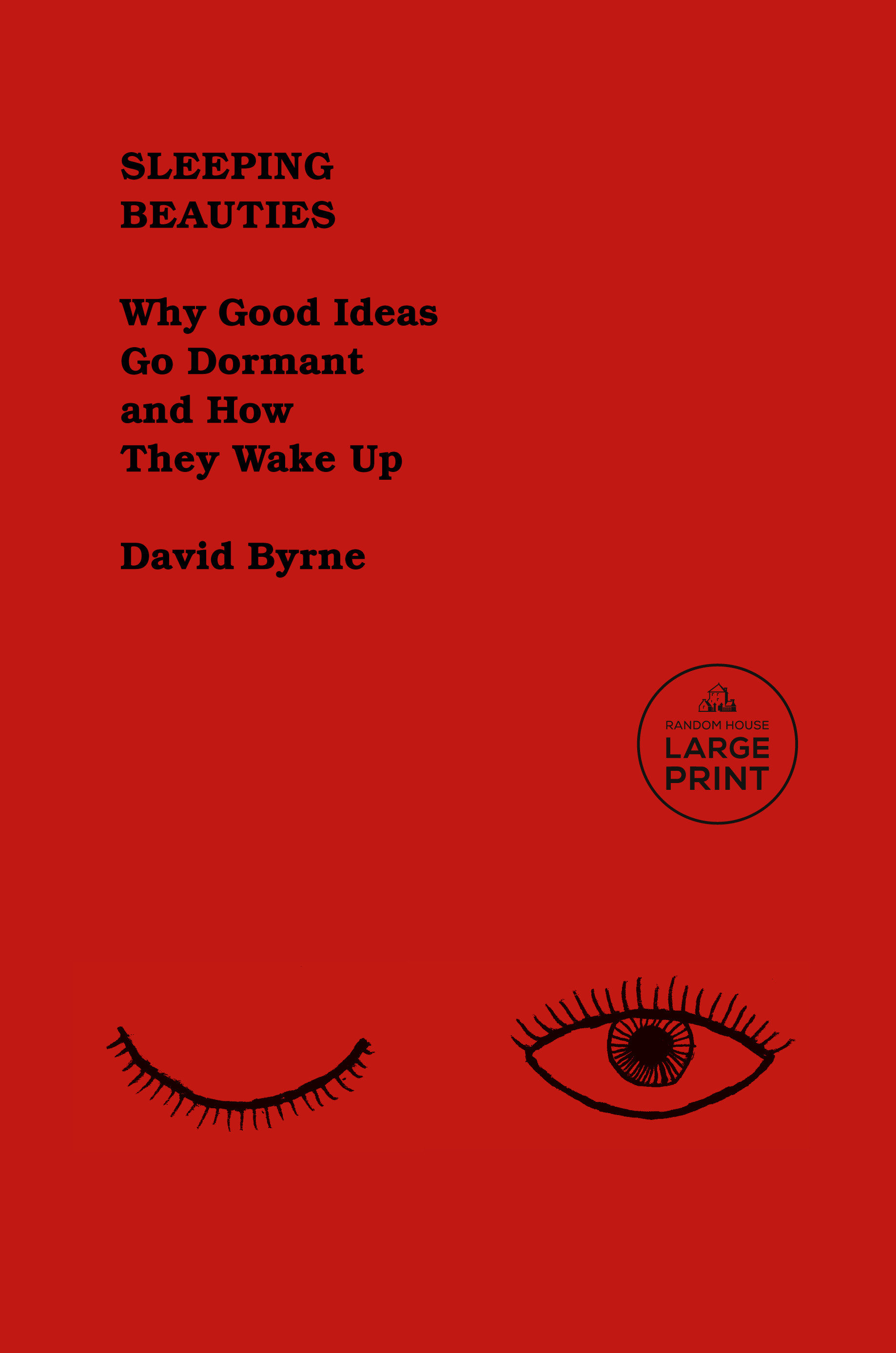
Sleeping Beauties
Why Good Ideas Go Dormant and How They Wake Up
Diversified Publishing · Print & ebook · Forthcoming
From incomparable creative force David Byrne, a brilliant and inspiring reckoning with how breakthroughs across the arts and sciences get forgotten, and how they get rediscovered It’s nice to believe in a meritocracy of ideas—genius is always recognized, innovation always seized upon and rewarded.
We earn from qualifying purchases.
- Who it’s for
- David Byrne traces how ideas across arts and sciences disappear, then return.
- Themes
- Forgotten ideas rediscovered, Resistance to innovation, Cross-disciplinary thinking
- Genres
- Art Criticism & Ideas, Science & Society, History of Science
Nearest books
Matched by what the books are about, then ordered by what their readers also loved.
 The Creative ActRick Rubin63% match
 Wonder SeekerAndrea Scher60% match
 Art MattersNeil Gaiman, Chris Riddell57% match
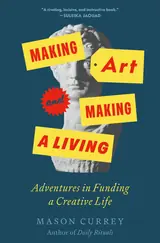 Making Art and Making a LivingMason Currey57% match
Start with three books, and this one can be the first.
Members get a new edition every morning: a route out from their books to essays, research and talks, with the reason for each.
Start with this bookAbout this book
From incomparable creative force David Byrne, a brilliant and inspiring reckoning with how breakthroughs across the arts and sciences get forgotten, and how they get rediscovered It’s nice to believe in a meritocracy of ideas—genius is always recognized, innovation always seized upon and rewarded. In fact, so many of the people we now acknowledge as the world’s great creators initially got little traction for their work.
Continue reading
It faded out, and only later—often much later—did it somehow came roaring back to life. Discoveries as diverse as dark matter, lichen, and continental drift . . . technologies from solar panels to the steam engine . . . artists from Bach to Bruegel, Vermeer to Melville . . . all, David Byrne shows us, were sleeping beauties. Why did they fall asleep? How did they wake back up? Ranging across centuries and the full scope of human endeavor, Byrne arrives at important conclusions that serve as a lens for bringing to light new seeds for our future breakthroughs. Sleeping Beauties is a master class in how not to be blind to the next great thing. Several times throughout history, the shock of the new landed like a blow on vested interests and entrenched views, putting innovation on hold. Suppression emerged from pushback, the absence of key supporters, or simply a lack of complementary economic conditions. But more important even than why ideas go dormant is why they reawaken. Again and again, Byrne shows, someone from a different discipline breaks into the silo. Frequently it’s someone open to metaphorical thinking, to the counterintuitive. Hierarchies and taxonomies have their place, but they can reward insiders and punish outsiders. Oftentimes, it is the winds of change that blow away the sand that has buried momentous ideas. Sleeping Beauties is humbling but it is also remarkably hopeful. These stories add up to a compass that leads us to the courage to try new things and the wisdom to embrace them. In a time that can seem all too dark, it’s a powerful source of freely available light, delightful in itself and fit for all our human endeavors.
Dormant Discoveries
David Byrne traces how ideas across arts and sciences disappear, then return.
Come here for
- How dark matter’s discovery faded from view.
Expect
- How pushback, absent supporters, or economic conditions can stall innovation.
Where it sits
| Art Criticism & Ideas | 41% |
|---|---|
| Science & Society | 34% |
| History of Science | 29% |
Percentages are BookFrontier’s reading of the book.
Publisher categories
- History of Science
- Unlocking Creativity
- Pop Culture Studies
- Authors
- David Byrne
- Publisher
- Diversified Publishing
- Published
- Forthcoming
- Format
- Print & ebook
- Theme
- Forgotten ideas rediscovered · Resistance to innovation · Cross-disciplinary thinking
- Reading lane
- History of Science