
- Themes
- war and its consequences, time travel and memory, satire and political critique
- Pacing
- Mixed
Who it’s for
- Readers interested in antiwar literature and historical fiction
- Fans of genre-bending narratives involving time travel and satire
Where it sits
- 78%Satire
- 43%War Fiction
- 41%The Classics
How strongly BookFrontier reads the book as belonging to each subject.
Nearest books
Matched by our semantic model. Ordered by what its readers also loved.
 The RoadCormac McCarthy50% subject match
 Fahrenheit 451Ray Bradbury50% subject matchShares The Classics
 1984George Orwell52% subject matchShares The Classics
 11/22/63Stephen King53% subject match
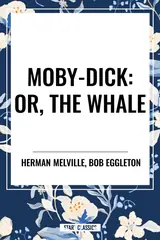 Moby-Dick: Or, the WhaleHerman Melville52% subject matchShares The Classics
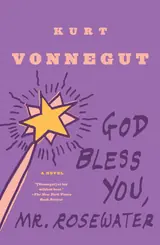 God Bless You, Mr. RosewaterKurt Vonnegut59% subject matchShares The Classics and Satire
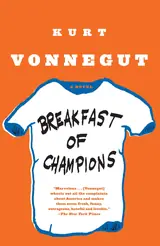 Breakfast of ChampionsKurt Vonnegut66% subject matchShares Satire
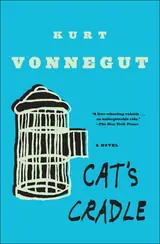 Cat's CradleKurt Vonnegut64% subject matchShares Satire
For younger readers: The Book Thief, We Are the Ants, Kurt Vonnegut
Start with three books, and this one can be the first.
Members get a new edition every morning: a route out from their books to essays, research and talks, with the reason for each.
Sign upAbout this book
NATIONAL BESTSELLER • Kurt Vonnegut’s masterpiece, Slaughterhouse-Five is “a desperate, painfully honest attempt to confront the monstrous crimes of the twentieth century” (Time).
Selected by the Modern Library as one of the 100 best novels of all time • One of The Atlantic’s Great American Novels of the Past 100 Years
Slaughterhouse-Five, an American classic, is one of the world’s great antiwar books.
Continue reading
Centering on the infamous World War II firebombing of Dresden, the novel is the result of what Kurt Vonnegut described as a twenty-three-year struggle to write a book about what he had witnessed as an American prisoner of war. It combines historical fiction, science fiction, autobiography, and satire in an account of the life of Billy Pilgrim, a barber’s son turned draftee turned optometrist turned alien abductee. As Vonnegut had, Billy experiences the destruction of Dresden as a POW. Unlike Vonnegut, he experiences time travel, or coming “unstuck in time.”
An instant bestseller, Slaughterhouse-Five made Kurt Vonnegut a cult hero in American literature, a reputation that only strengthened over time, despite his being banned and censored by some libraries and schools for content and language. But it was precisely those elements of Vonnegut’s writing—the political edginess, the genre-bending inventiveness, the frank violence, the transgressive wit—that have inspired generations of readers not just to look differently at the world around them but to find the confidence to say something about it. Authors as wide-ranging as Norman Mailer, John Irving, Michael Crichton, Tim O’Brien, Margaret Atwood, Elizabeth Strout, David Sedaris, Jennifer Egan, and J. K. Rowling have all found inspiration in Vonnegut’s words. Jonathan Safran Foer has described Vonnegut as “the kind of writer who made people—young people especially—want to write.” George Saunders has declared Vonnegut to be “the great, urgent, passionate American writer of our century, who offers us . . . a model of the kind of compassionate thinking that might yet save us from ourselves.”
More than fifty years after its initial publication at the height of the Vietnam War, Vonnegut’s portrayal of political disillusionment, PTSD, and postwar anxiety feels as relevant, darkly humorous, and profoundly affecting as ever, an enduring beacon through our own era’s uncertainties.
In our reading guides
Publisher details
Publisher categories
- Literary Fiction
- War Fiction
- Satire
- Authors
- Kurt Vonnegut
- Publisher
- Random House Publishing Group
- Published
- January 12, 1999
- Format
- Print & ebook
- Reading lane
- Literary Fiction