
Sailing the Graveyard Sea
The Deathly Voyage of the Somers, the U.s. Navy's Only Mutiny, and the Trial That Gripped the Nation
A naval catastrophe unfolds as a murder mystery and courtroom drama, with real lives at stake.
- Themes
- Naval mutiny, Military justice, Hysteria and wrongful execution
- Pacing
- Fast
A Mutiny in Doubt
Come here for
- A little-known episode with lasting consequences for the Navy
- Mutiny claims tested against shaky legal grounds
Expect
- Tense court-martial transcripts in a vivid narrative
- A public trial over three deaths at sea
Where it sits
How strongly BookFrontier reads the book as belonging to each subject.
Nearest books
Matched by our semantic model. Ordered by what its readers also loved. Most of these share its genre: Maritime History & Piracy.
 The UnvanquishedPatrick K. O'Donnell55% subject match
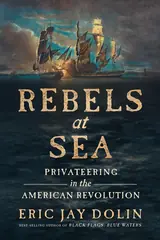 Rebels at SeaEric Jay Dolin66% subject matchAlso shares Naval History
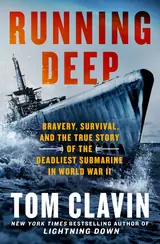 Running DeepTom Clavin59% subject match
 The ZorgSiddharth Kara58% subject matchAlso shares Historical True Crime
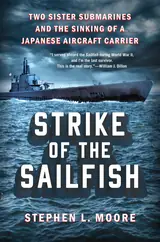 Strike of the SailfishStephen L. Moore59% subject matchAlso shares Naval History
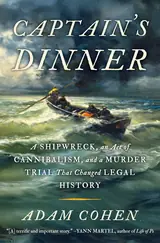 Captain's DinnerAdam Cohen66% subject matchAlso shares Historical True Crime
 Dead in the WaterMatthew Campbell, Kit Chellel59% subject match
For younger readers: Sinking the Sultana, Left for Dead, Rescue of the Bounty
Start with three books, and this one can be the first.
Members get a new edition every morning: a route out from their books to essays, research and talks, with the reason for each.
Sign upAbout this book
A “compelling” (The Wall Street Journal) account of the only mutiny in the history of the United States Navy—a little-known but once notorious event that cost three young men their lives—part murder mystery, part courtroom drama, and as propulsive and dramatic as the bestselling novels of Patrick O’Brian.
Continue reading
On December 16, 1842, the US brig-of-war Somers dropped anchor in the New York Harbor at the end of a voyage intended to teach a group of adolescents the rudiments of naval life. But this routine exercise ended in catastrophe. Commander Alexander Slidell Mackenzie came ashore claiming he had prevented a mutiny that would have left him and his officers dead. Some of the thwarted mutineers were being held under guard, but three had already been hanged at sea: Boatswain’s Mate Samuel Cromwell, Seaman Elisha Small, and Acting Midshipman Philip Spencer, whose father was the secretary of war, John Spencer.
Eighteen-year-old Philip Spencer, according to his commander, had been the ringleader who encouraged the crew to seize the ship and become pirates so that they might rape and pillage their way through the northern coast of South America and the Caribbean. While the young man might have been fascinated by stories of pirates, it soon became clear the order that condemned the three men had no legal basis. And, worse, it appeared possible that no mutiny had actually occurred, and that the ship might instead have been seized by a creeping hysteria that ended in the sacrifice of three innocents.
Months of accusations and counteraccusations were followed by a highly public court-martial that put Mackenzie on trial for his life, and a storm of anti-Navy sentiment drew the attention of such leading writers of the day as Herman Melville and James Fenimore Cooper. But some good did come out of it: public disgust with Mackenzie’s hapless “training” gave birth to Annapolis, the distinguished naval academ that within a century would produce the mightiest navy the world had ever known.
Vividly told and filled with tense shown directly in court-martial transcripts, Richard Snow’s masterly account of this all-but-forgotten episode is “a hell of a yarn” (Kirkus Reviews) and naval history at its finest.
Publisher details
Publisher categories
- Naval History
- 19th-Century America
- Maritime History & Piracy
- Authors
- Richard Snow
- Publisher
- Scribner
- Published
- November 21, 2023
- Format
- Print & ebook
- Reading lane
- Naval History