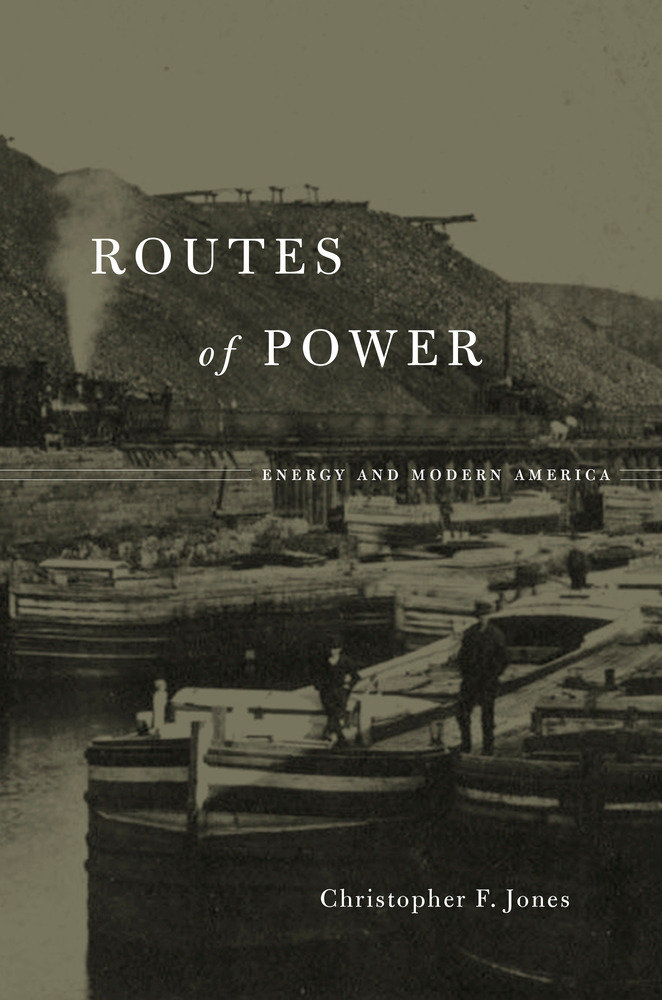
Routes of Power
Energy and Modern America
A history of how canals, pipelines, and wires carried energy across the mid-Atlantic.
Energy Delivery Networks
Come here for
- The mid-Atlantic’s energy networks, 1820–1930
- How canals, pipelines, and wires delivered energy
Expect
- Energy access alongside growing fossil-fuel dependence
- Uneven distribution of profits, cheap energy, and environmental harms
Where it sits
How strongly BookFrontier reads the book as belonging to each subject.
Nearest books
Matched by our semantic model. Ordered by what its readers also loved.
 EnergyRichard Rhodes65% subject match
 More and More and MoreJean-Baptiste Fressoz64% subject match
 Power HungryRobert Bryce63% subject matchShares Fossil Fuel Energy
 A Question of PowerRobert Bryce62% subject match
 Life after Fossil FuelsAlice J. Friedemann62% subject match
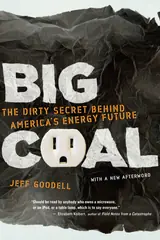 Big CoalJeff Goodell61% subject matchShares Fossil Fuel Energy
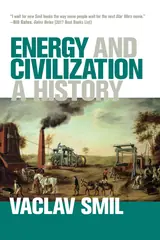 Energy and CivilizationVaclav Smil61% subject matchShares Economic History
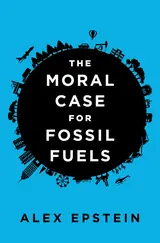 The Moral Case for Fossil FuelsAlex Epstein61% subject matchShares Fossil Fuel Energy
For younger readers: Black Gold, Many Voices, Eyes Wide Open: Going Behind the Environmental Headlines
Start with three books, and this one can be the first.
Members get a new edition every morning: a route out from their books to essays, research and talks, with the reason for each.
Sign upAbout this book
The fossil fuel revolution is usually rendered as a tale of historic advances in energy production. In this perspective-changing account, Christopher F. Jones instead tells a story of advances in energy access—canals, pipelines, and wires that delivered power in unprecedented quantities to cities and factories at a great distance from production sites.
Continue reading
He shows that in the American mid-Atlantic region between 1820 and 1930, the construction of elaborate transportation networks for coal, oil, and electricity unlocked remarkable urban and industrial growth along the eastern seaboard. But this new transportation infrastructure did not simply satisfy existing consumer demand—it also whetted an appetite for more abundant and cheaper energy, setting the nation on a path toward fossil fuel dependence.
Between the War of 1812 and the Great Depression, low-cost energy supplied to cities through a burgeoning delivery system allowed factory workers to mass-produce goods on a scale previously unimagined. It also allowed people and products to be whisked up and down the East Coast at speeds unattainable in a country dependent on wood, water, and muscle. But an energy-intensive America did not benefit all its citizens equally. It provided cheap energy to some but not others; it channeled profits to financiers rather than laborers; and it concentrated environmental harms in rural areas rather than cities.
Today, those who wish to pioneer a more sustainable and egalitarian energy order can learn valuable lessons from this history of the nation’s first steps toward dependence on fossil fuels.
Publisher details
Publisher categories
- Economic History
- 20th-Century America
- Middle Atlantic History
- Authors
- Christopher F. Jones
- Publisher
- WW Norton
- Published
- August 30, 2016
- Format
- Print & ebook
- Reading lane
- Economic History