
Red Famine
Stalin's War on Ukraine
A closely rendered history of famine and state violence, with consequences that reach into the present.
- Themes
- The Ukrainian famine, Forced agricultural collectivization, State violence against Ukrainians
History With Stakes
Come here for
- Understand the human cost of Stalin’s agricultural collectivization
- Trace why Ukraine’s past remains politically resonant
Expect
- A sustained narrative of catastrophe and survival
- A grave, clear-eyed account of state violence
Where it sits
How strongly BookFrontier reads the book as belonging to each subject.
Nearest books
Matched by our semantic model. Ordered by what its readers also loved.
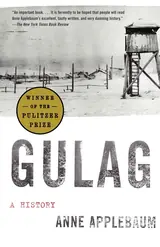 GulagAnne Applebaum63% subject matchShares Soviet-Era Russia and Eastern European History
 The Road to UnfreedomTimothy Snyder56% subject match
 The Gulag ArchipelagoAleksandr I. Solzhenitsyn54% subject matchShares Soviet-Era Russia
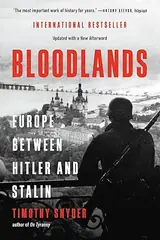 BloodlandsTimothy Snyder66% subject matchShares Eastern European History
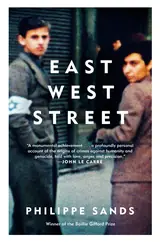 East West StreetPhilippe Sands53% subject matchShares Genocide & War Crimes
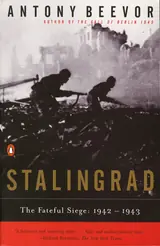 StalingradAntony Beevor51% subject match
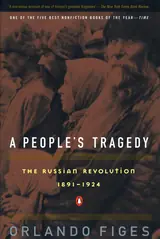 A People's TragedyOrlando Figes54% subject matchShares Soviet-Era Russia
For younger readers: 83 Days in Mariupol: A War Diary, I Must Betray You, Symphony for the City of the Dead
Start with three books, and this one can be the first.
Members get a new edition every morning: a route out from their books to essays, research and talks, with the reason for each.
Sign upAbout this book
NEW YORK TIMES BESTSELLER • A revelatory history of one of Stalin's greatest crimes, the consequences of which still resonate today, as Russia has placed Ukrainian independence in its sights once more—from the author of the Pulitzer Prize-winning Gulag and the National Book Award finalist Iron Curtain.
Continue reading
"With searing clarity, Red Famine demonstrates the horrific consequences of a campaign to eradicate 'backwardness' when undertaken by a regime in a state of war with its own people." —The Economist
In 1929 Stalin launched his policy of agricultural collectivization—in effect a second Russian revolution—which forced millions of peasants off their land and onto collective farms. The result was a catastrophic famine, the most lethal in European history. At least five million people died between 1931 and 1933 in the USSR. But instead of sending relief the Soviet state made use of the catastrophe to rid itself of a political problem. In Red Famine, Anne Applebaum argues that more than three million of those dead were Ukrainians who perished not because they were accidental victims of a bad policy but because the state deliberately set out to kill them. Devastating and definitive, Red Famine captures the horror of ordinary people struggling to survive extraordinary evil.
Applebaum’s compulsively readable narrative recalls one of the worst crimes of the twentieth century, and shows how it may foreshadow a new threat to the political order in the twenty-first.
Publisher details
Publisher categories
- Eastern European History
- Russian History
- 20th-Century History
- Authors
- Anne Applebaum
- Publisher
- Knopf Doubleday Publishing Group
- Published
- September 4, 2018
- Format
- Print & ebook
- Reading lane
- Eastern European History