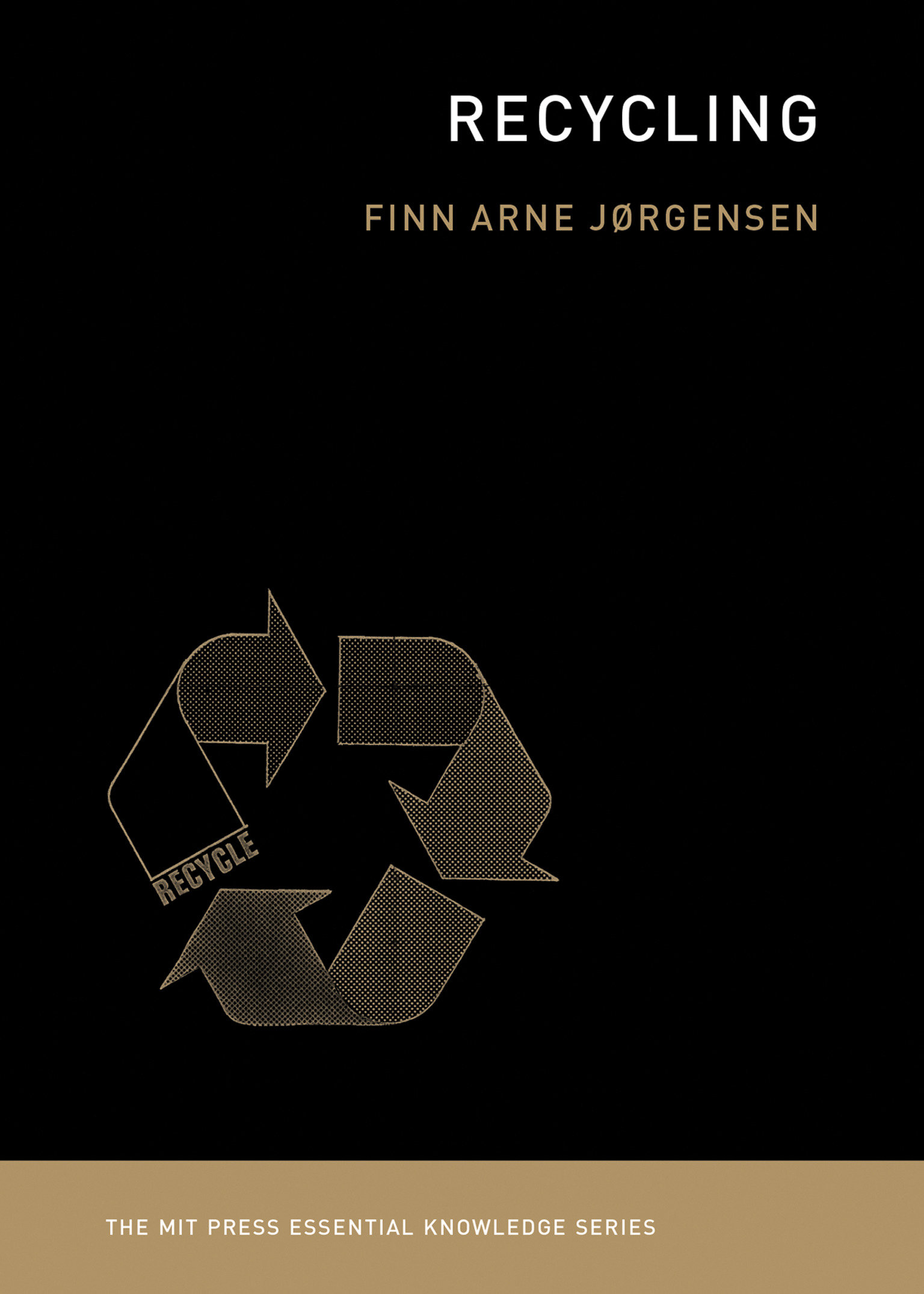
Recycling
- Themes
- Recycling processes, Waste and material transformation, Environmental impact
Who it’s for
- Readers interested in how materials move through recycling systems
- Readers seeking an accessible overview of recycling’s material and cultural dimensions
Where it sits
How strongly BookFrontier reads the book as belonging to each subject.
Nearest books
Matched by our semantic model. Ordered by what its readers also loved. Most of these share its genre: Waste Management.
 The Future of PackagingTom Szaky62% subject match
 PlasticsImari Walker-Franklin, Jenna Jambeck61% subject matchAlso shares Environmental Science
 Waste WarsAlexander Clapp59% subject match
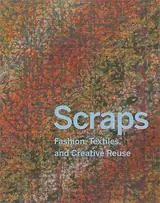 Scraps: Fashion, Textiles, and Creative ReuseSusan Brown, Matilda McQuaid59% subject match
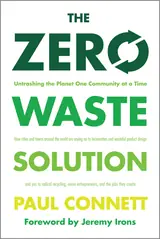 The Zero Waste SolutionPaul Connett59% subject matchAlso shares Conservation
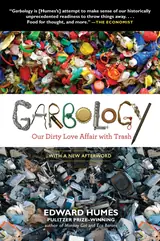 GarbologyEdward Humes57% subject matchAlso shares Environmental Science
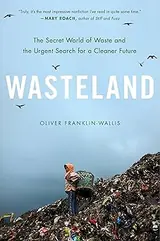 WastelandOliver Franklin-Wallis53% subject matchAlso shares Conservation
 Green Chemical ProcessesMark Anthony Benvenuto51% subject matchAlso shares Environmental Science
For younger readers: Total Garbage, Tracking Trash, Eyes Wide Open: Going Behind the Environmental Headlines
Start with three books, and this one can be the first.
Members get a new edition every morning: a route out from their books to essays, research and talks, with the reason for each.
Sign upAbout this book
An overview of recycling as an activity and a process, following different materials through the waste stream.
Is there a point to recycling? Is recycling even good for the environment? In this volume in the MIT Press Essential Knowledge series, Finn Arne Jørgensen answers (drumroll, please): it depends. From a technical point of view, recycling is a series of processes—collecting, sorting, processing, manufacturing.
Continue reading
Recycling also has a cultural component; at its core, recycling is about transformation and value, turning material waste into something useful—plastic bags into patio furniture, plastic bottles into T-shirts. Jørgensen offers an accessible and engaging overview of recycling as an activity and as a process at the intersection of the material and the ideological.
Jørgensen follows a series of materials as they move back and forth between producer and consumer, continually transforming in form and value, in a never-ceasing journey toward becoming waste. He considers organic waste and cultural contamination; the history of recyclable writing surfaces from papyrus to newsprint; discarded clothing as it moves from the Global North to the Global South; the shifting fate of glass bottles; the efficiency of aluminum recycling; the many types of plastic and the difficulties of informed consumer choice; e-waste and technological obsolescence; and industrial waste. Finally, re-asking the question posed by John Tierney in an infamous 1996 New York Times article, “is recycling garbage?” Jørgensen argues that recycling is necessary—as both symbolic action and physical activity that has a tangible effect on the real world.
Publisher details
Publisher categories
- Conservation
- Environmental Policy
- Waste Management
- Authors
- Finn Arne Jorgensen
- Publisher
- MIT Press
- Published
- November 12, 2019
- Format
- Paperback
- Reading lane
- Conservation