

Book
Raising Dough
The Complete Guide to Financing a Socially Responsible Food Business
Elizabeth Ü
Chelsea Green Publishing · Print & ebook · June 13, 2013
Reading lane: The Food Business
More and more entrepreneurs are using food-based businesses to solve social and environmental problems - and yet the majority of them report that a lack of access to capital prevents them from launching, maintaining, or growing their ventures.
At a Glance
Who It's For
Book Details
- Authors
- Elizabeth Ü
- Publisher
- Chelsea Green Publishing
- Published
- June 13, 2013
- Format
- Print & ebook
- Theme
- The Food Business · Agribusiness
- Reading lane
- The Food Business
Affinity
Publisher Categories
Small Business
The Food Business
Agriculture & Food Systems
About This Book
More and more entrepreneurs are using food-based businesses to solve social and environmental problems - and yet the majority of them report that a lack of access to capital prevents them from launching, maintaining, or growing their ventures. Raising Dough is an unprecedented guide to the full range of financing options available to support sustainable food businesses. Raising Dough provides valuable insights into the world of finance, including: - Descriptions of various c...
Read full description
Similar Books

You Can Farm
Joel Salatin · Rizzoli
Affinity signal
Sustainable Agriculture
Organic Farming

The Organic Farmer's Business Handbook
Richard Wiswall · Rizzoli
Affinity signal
Organic Farming
Sustainable Agriculture
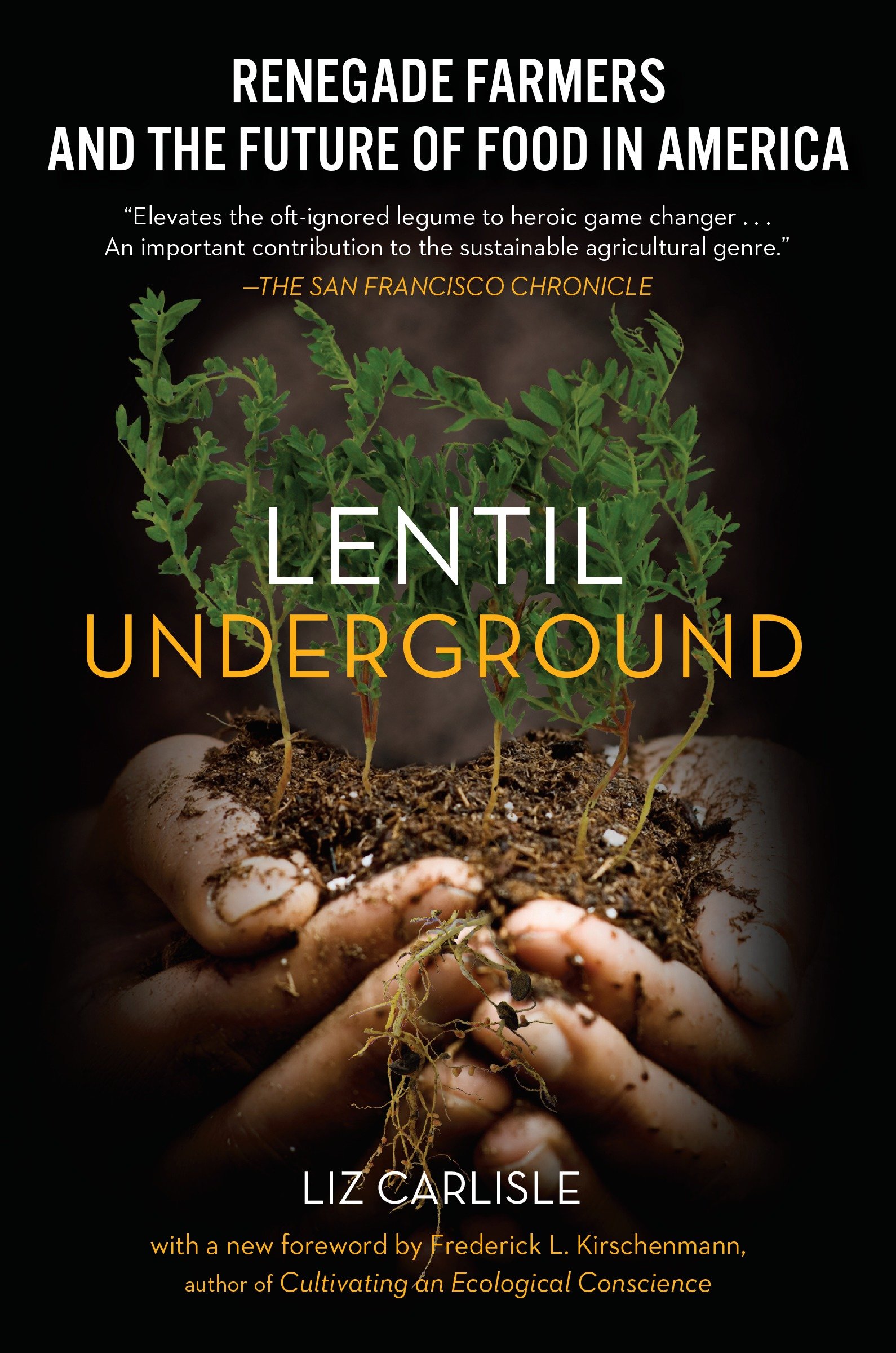
Lentil Underground
Liz Carlisle · Penguin Publishing Group
Affinity signal
Agribusiness
Sustainable Agriculture

The Market Gardener
Jean-Martin Fortier · New Society Publishers
Affinity signal
Organic Farming
Sustainable Agriculture

The Independent Farmstead
Beth Dougherty, Shawn Dougherty · Rizzoli
Affinity signal
Sustainable Agriculture
Animal Husbandry

The Stop
Nick Saul, Andrea Curtis · Melville House
Affinity signal
The Food Business
Agribusiness

The Food and Beverage Magazine Guide to Restaurant Success
Michael Politz · Wiley
Affinity signal
The Food Business
Service Industry
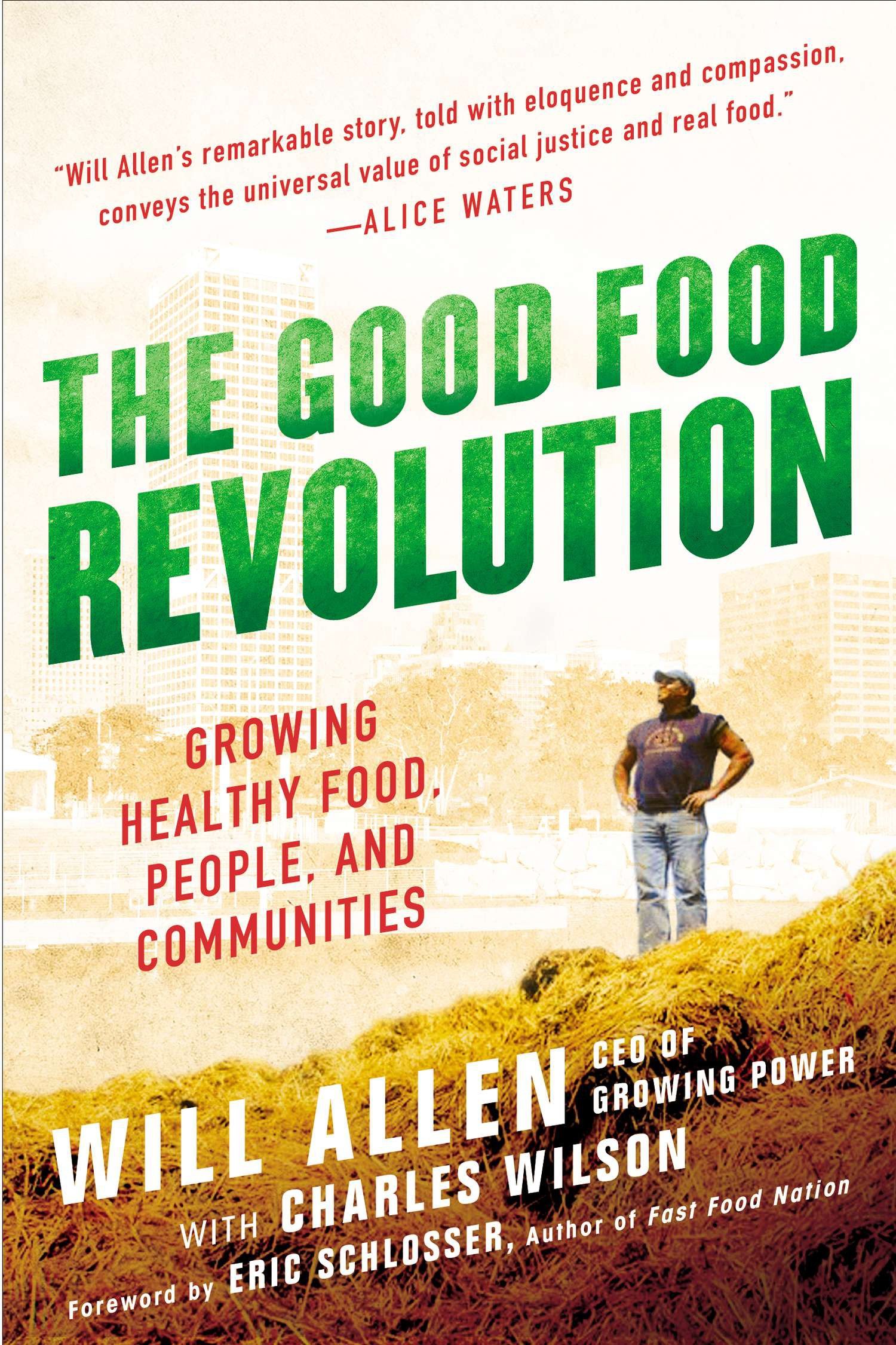
The Good Food Revolution
Will Allen, Charles Wilson · Penguin Publishing Group
Affinity signal
Agribusiness
Sustainable Agriculture