
Proust and the Squid
The Story and Science of the Reading Brain
Trace how reading and writing reshape the brain, from early literacy to today’s screen-filled world.
- Themes
- Reading and brain development, Written language across history, Technology and literacy
Reading, Rewired
Come here for
- A clear-eyed look at the brain’s remarkable adaptability
- The long arc from ancient writing to digital literacy
Expect
- Down-to-earth examples alongside lively personal anecdotes
- Questions about what changing literacy may mean for the future
Where it sits
How strongly BookFrontier reads the book as belonging to each subject.
Nearest books
Matched by our semantic model. Ordered by what its readers also loved.
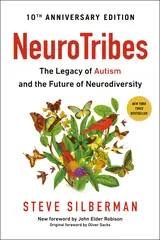 NeurotribesSteve Silberman55% subject match
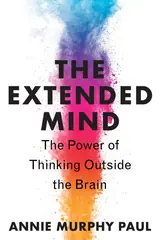 The Extended MindAnnie Murphy Paul54% subject match
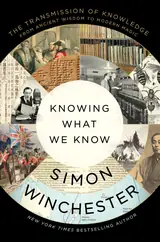 Knowing What We KnowSimon Winchester55% subject match
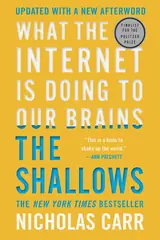 The ShallowsNicholas Carr58% subject match
For younger readers: The Brain, Alphamaniacs, Unstoppable Us, Volume 1: How Humans Took Over the World
Start with three books, and this one can be the first.
Members get a new edition every morning: a route out from their books to essays, research and talks, with the reason for each.
Sign upAbout this book
“Wolf restores our awe of the human brain—its adaptability, its creativity, and its ability to connect with other minds through a procession of silly squiggles.” — San Francisco Chronicle
How do people learn to read and write—and how has the development of these skills transformed the brain and the world itself ?
Continue reading
Neuropsychologist and child development expert Maryann Wolf answers these questions in this ambitious and provocative book that chronicles the remarkable journey of written language not only throughout our evolution but also over the course of a single child’s life, showing why a growing percentage have difficulty mastering these abilities.
With fascinating down-to-earth examples and lively personal anecdotes, Wolf asserts that the brain that examined the tiny clay tablets of the Sumerians is a very different brain from the one that is immersed in today’s technology-driven literacy, in which visual images on the screen are paving the way for a reduced need for written language—with potentially profound consequences for our future.
Publisher details
Publisher categories
- Teaching Reading & Phonics
- Professional Development
- Writing as a Career
- Fiction Writing
Show all 8 publisher categories
- Writing Nonfiction & Memoir
- Linguistics
- Study & Teaching
- Occupational Therapy
- Authors
- Maryanne Wolf
- Publisher
- HarperCollins
- Published
- August 26, 2008
- Format
- Print & ebook
- Reading lane
- Teaching Reading & Phonics