
Postcolonial Love Poem
Poems
These poems hold political wounds and bodily desire in language alive to grief, tenderness, and joy.
- Themes
- Indigenous erasure and autonomy, Desire, love, and tenderness, Grief, violence, and sensuality
Desire Against Erasure
Come here for
- Poetry where love and desire answer histories of erasure
- Language moving between the political and the intimate
Expect
- Tenderness and sensuality alongside grief and violence
- A lyrical refusal of erasure
Where it sits
How strongly BookFrontier reads the book as belonging to each subject.
Nearest books
Matched by our semantic model. Ordered by what its readers also loved. Most of these share its genre: LGBTQ+ Poetry.
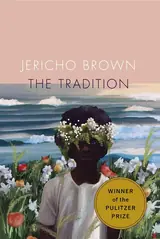 The TraditionJericho Brown58% subject match
 American Sonnets for My Past and Future AssassinTerrance Hayes54% subject match
 Wade in the WaterTracy K. Smith61% subject match
 HomieDanez Smith58% subject match
 The World Keeps Ending, and the World Goes OnFranny Choi55% subject match
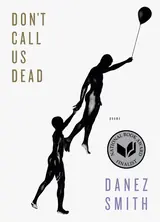 Don't Call Us DeadDanez Smith62% subject match
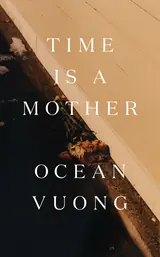 Time Is a MotherOcean Vuong56% subject match
 Eye LevelJenny Xie60% subject match
For younger readers: Wild Tongues Can't Be Tamed, The Poet X, Clap When You Land
Start with three books, and this one can be the first.
Members get a new edition every morning: a route out from their books to essays, research and talks, with the reason for each.
Sign upAbout this book
WINNER OF THE 2021 PULITZER PRIZE IN POETRY
FINALIST FOR THE 2020 NATIONAL BOOK AWARD FOR POETRY
Natalie Diaz’s highly anticipated follow-up to When My Brother Was an Aztec, winner of an American Book Award
Postcolonial Love Poem is an anthem of desire against erasure. Natalie Diaz’s brilliant second collection demands that every body carried in its pages—bodies of language, land, rivers, suffering brothers, enemies, and lovers—be touched and held as beloveds.
Continue reading
Through these poems, the wounds inflicted by America onto an indigenous people are allowed to bloom pleasure and tenderness: “Let me call my anxiety, desire, then. / Let me call it, a garden.” In this new lyrical landscape, the bodies of indigenous, Latinx, black, and brown women are simultaneously the body politic and the body ecstatic. In claiming this autonomy of desire, language is pushed to its dark edges, the astonishing dunefields and forests where pleasure and love are both grief and joy, violence and sensuality.
Diaz defies the conditions from which she writes, a nation whose creation predicated the diminishment and ultimate erasure of bodies like hers and the people she loves: “I am doing my best to not become a museum / of myself. I am doing my best to breathe in and out. // I am begging: Let me be lonely but not invisible.” Postcolonial Love Poem unravels notions of American goodness and creates something more powerful than hope—in it, a future is built, future being a matrix of the choices we make now, and in these poems, Diaz chooses love.
Publisher details
Publisher categories
- American Poetry
- Native American Poetry
- Women Poets
- Authors
- Natalie Diaz
- Publisher
- Graywolf
- Published
- March 3, 2020
- Format
- Print & ebook
- Reading lane
- American Poetry