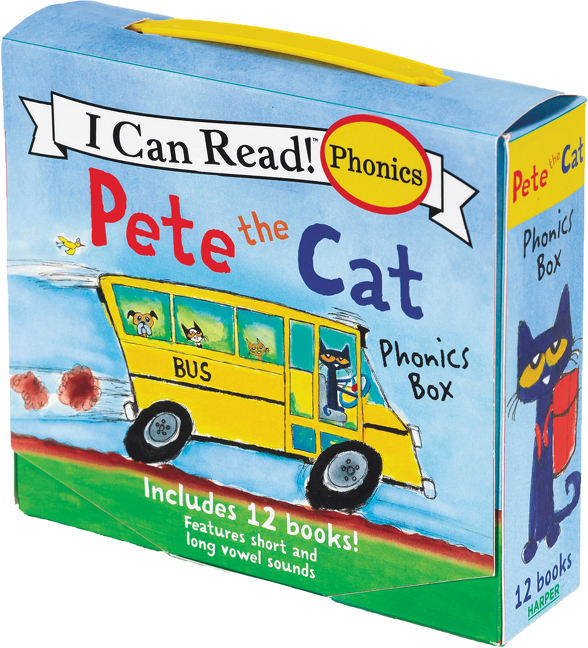
Pete the Cat 12-book Phonics Fun!
A Box of 12 Mini-books Featuring Short and Long Vowel Sounds
HarperCollins · Print & ebook · January 3, 2017
Pete the Cat helps kids learn to read with phonics!
We earn from qualifying purchases.
- Who it’s for
- Beginning readers ages 3 to 6
- Themes
- phonics, early reading, vowel sounds
- Pacing
- Steady
Nearest books
Matched by what the books are about, then ordered by what their readers also loved. Most of these share its genres: Beginner Readers and Cat Stories.
 Pete the Cat Saves UpJames Dean, Kimberly Dean66% match
 Pete the Cat and the Easter Basket BanditJames Dean, Kimberly Dean58% match
 Pete the Kitty Goes to the DoctorJames Dean, Kimberly Dean62% match
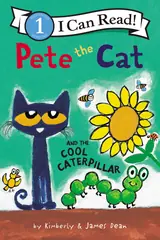 Pete the Cat and the Cool CaterpillarJames Dean, Kimberly Dean64% match
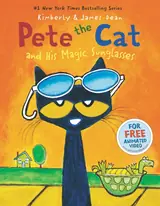 Pete the Cat and His Magic SunglassesJames Dean, Kimberly Dean60% match
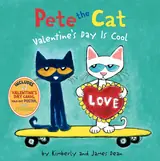 Pete the Cat: Valentine's Day Is CoolJames Dean, Kimberly Dean53% match
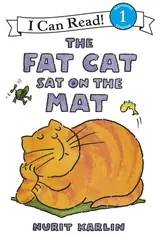 The Fat Cat Sat on the MatNurit Karlin55% match
For older readers: Learn to Read Activity Book, My Phonics Workbook, Phonics Pathways
Start with three books, and this one can be the first.
Members get a new edition every morning: a route out from their books to essays, research and talks, with the reason for each.
Join the waitlistAbout this book
Pete the Cat helps kids learn to read with phonics! Who knew reading could be so groovy? This set of 12 simple and fun Pete the Cat storybooks is an excellent choice to share with your beginning reader. It’s a fun way to learn to read and as a supplement for activity books for children ages 3 to 6. Enter into the world of reading with My First I Can Read!
Continue reading
Reviewed by a phonics expert, these 12 short full-color books feature repeated examples of short and long vowel sounds and common sight words. Each of the simple stories in this box set is designed to teach kids how to master reading while rocking out with Pete the Cat. Phonics teaches children the relationship between letters and the sounds they make. A child who has mastered these relationships has an excellent foundation for learning to read and spell. According to the National Institute of Child Health & Human Development, a child who has learned phonics has a method to recognize familiar words and “decode” unfamiliar ones.
Who it’s for
- Beginning readers ages 3 to 6
- Children learning phonics and vowel sounds
Where it sits
| Cat Stories | 68% |
|---|---|
| Beginner Readers | 41% |
| Sounds | 36% |
Percentages are BookFrontier’s reading of the book.
Publisher categories
- Cat Stories
- The Classics
- Word Books
- Sounds
Show all 8 publisher categories
- Funny Stories
- Media Tie-Ins
- School Stories
- Beginner Readers
- Authors
- James Dean, Kimberly Dean
- Publisher
- HarperCollins
- Published
- January 3, 2017
- Format
- Print & ebook
- Theme
- phonics · early reading · vowel sounds
- Reading lane
- Cat Stories