

Book
People's History of Computing in the United States
Hardcover – Illustrated, October 8, 2018
Joy Lisi Rankin
WW Norton · Hardcover · October 8, 2018
Reading lane: Digital Electronics
Silicon Valley gets all the credit for digital creativity, but this account of the pre-PC world, when computing meant more than using mature consumer technology, challenges that triumphalism.
At a Glance
Why This Clicks
Shared Beginnings
A history of early computing that shifts attention from Silicon Valley to shared academic networks.
Come here for
- Computing history beyond the familiar Silicon Valley origin story
- Messages, music, poems, games, and communities built around academic computers
Expect
- A picture of computing as a collaborative commons, not just a consumer technology
- Connections between early networks and debates over digital democracy
Book Details
- Authors
- Joy Lisi Rankin
- Publisher
- WW Norton
- Published
- October 8, 2018
- Format
- Hardcover
- Theme
- Digital Electronics · Human-Computer Interaction
- Reading lane
- Digital Electronics
Affinity
Publisher Categories
History of Computing
History of Education
20th-Century America
About This Book
Silicon Valley gets all the credit for digital creativity, but this account of the pre-PC world, when computing meant more than using mature consumer technology, challenges that triumphalism. The invention of the personal computer liberated users from corporate mainframes and brought computing into homes. But throughout the 1960s and 1970s a diverse group of teachers and students working together on academic computing systems conducted many of the activities we now recognize...
Read full description
Similar Books

A People's History of the United States
Howard Zinn · HarperCollins
Affinity signal
Revolutionary America (1775-1800)
21st-Century America

Palo Alto
Malcolm Harris, Patrick Harrison · Little, Brown and Company
Affinity signal
Western U.S. History
Capitalism & Markets
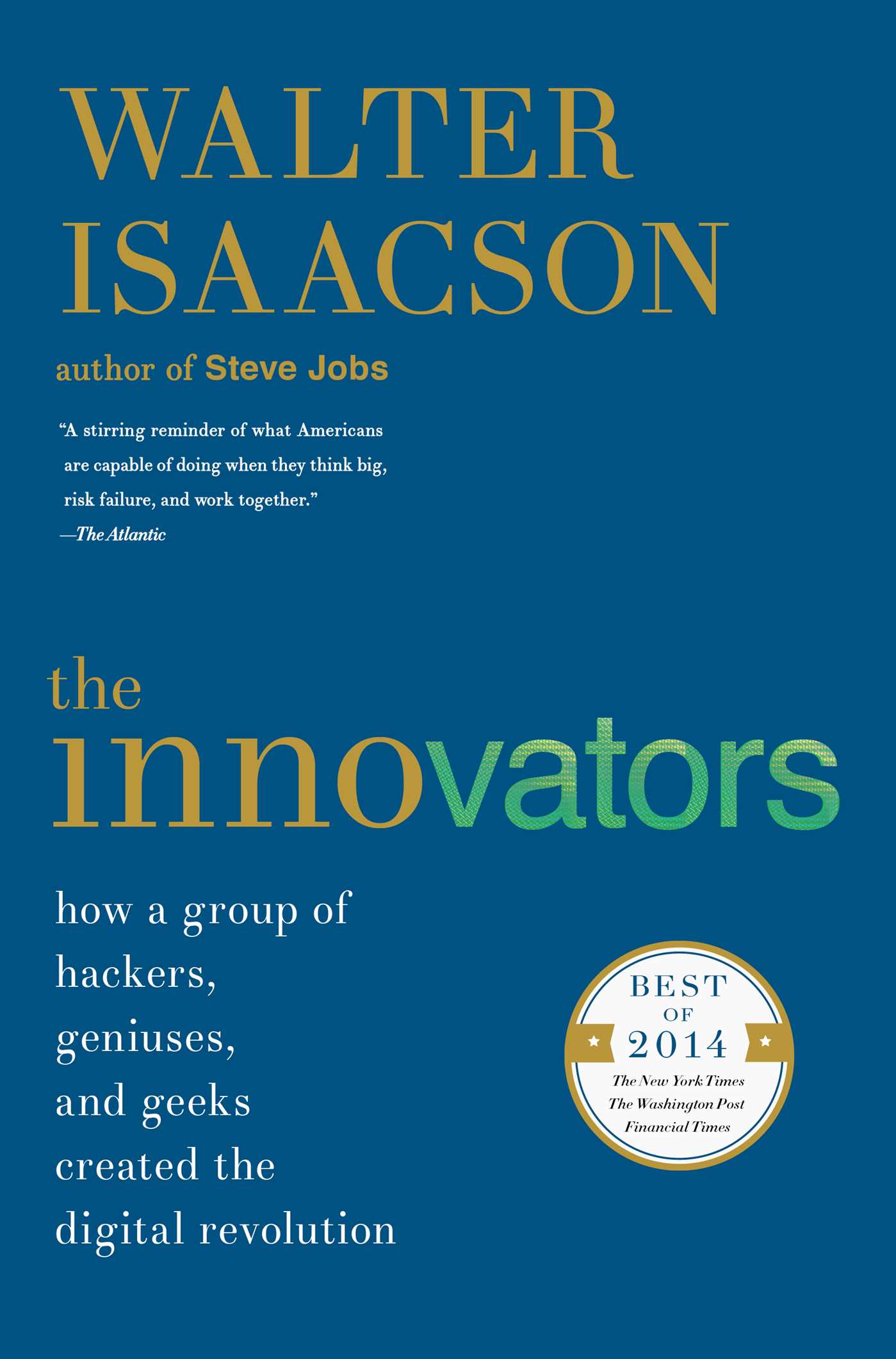
The Innovators
Walter Isaacson · Simon & Schuster
Affinity signal
Tech Industry
Digital Electronics

A Young People's History of the United States
Howard Zinn · Seven Stories Press
Affinity signal
U.S. History
United States History for Teens