

Book
Outcast London
A Study in the Relationship Between Classes in Victorian Society
Gareth Stedman Jones
Verso Books · Print & ebook · August 19, 2014
Reading lane: British & Irish Literary Criticism
At the time the largest city in the world, Victorian London intrigued and appalled politicians, clergymen, novelists and social investigators.
Disclosure: Some outbound links are affiliate links. If you buy through them, we may earn a commission. It doesn't affect which books we include. Learn more in our disclosure policy.
At a Glance
Who It's For
Book Details
- Authors
- Gareth Stedman Jones
- Publisher
- Verso Books
- Published
- August 19, 2014
- Format
- Print & ebook
- Theme
- British & Irish Literary Criticism · LITERARY CRITICISM / Modern / 18th Century
- Reading lane
- British & Irish Literary Criticism
Affinity
Publisher Categories
British History
19th‑Century History
About This Book
At the time the largest city in the world, Victorian London intrigued and appalled politicians, clergymen, novelists and social investigators. Dickens, Mayhew, Booth, Gissing and George Bernard Shaw, to name but a few, developed a morbid fascination with its sullied streets and the sensational gulf between London classes. Outcast London explores the London economy, in particular its vast numbers of casual and irregular day labourers and the artisans and seamstresses engaged...
Read full description
Similar Books

Great and Noble Scheme
John Mack Faragher · WW Norton
Shared affinity
Affinity match is still building for this title.
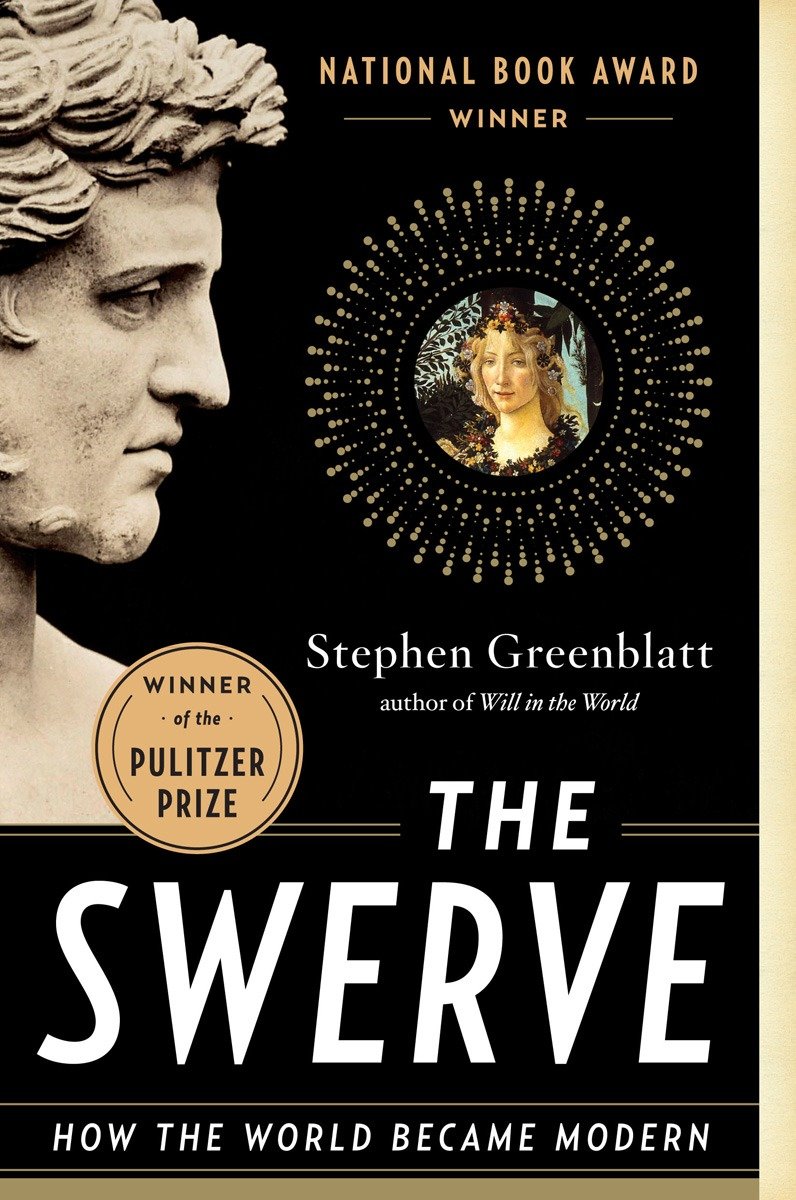
The Swerve
Stephen Greenblatt · WW Norton
Shared affinity
British & Irish Literary Criticism
19th‑Century History

Forbidden Knowledge
Roger Shattuck · HarperCollins
Shared affinity
Affinity match is still building for this title.

The Black Count
Tom Reiss · Crown
Shared affinity
Affinity match is still building for this title.

A Tale of Two Cities
Charles Dickens · Thomas Nelson
Shared affinity
Affinity match is still building for this title.