
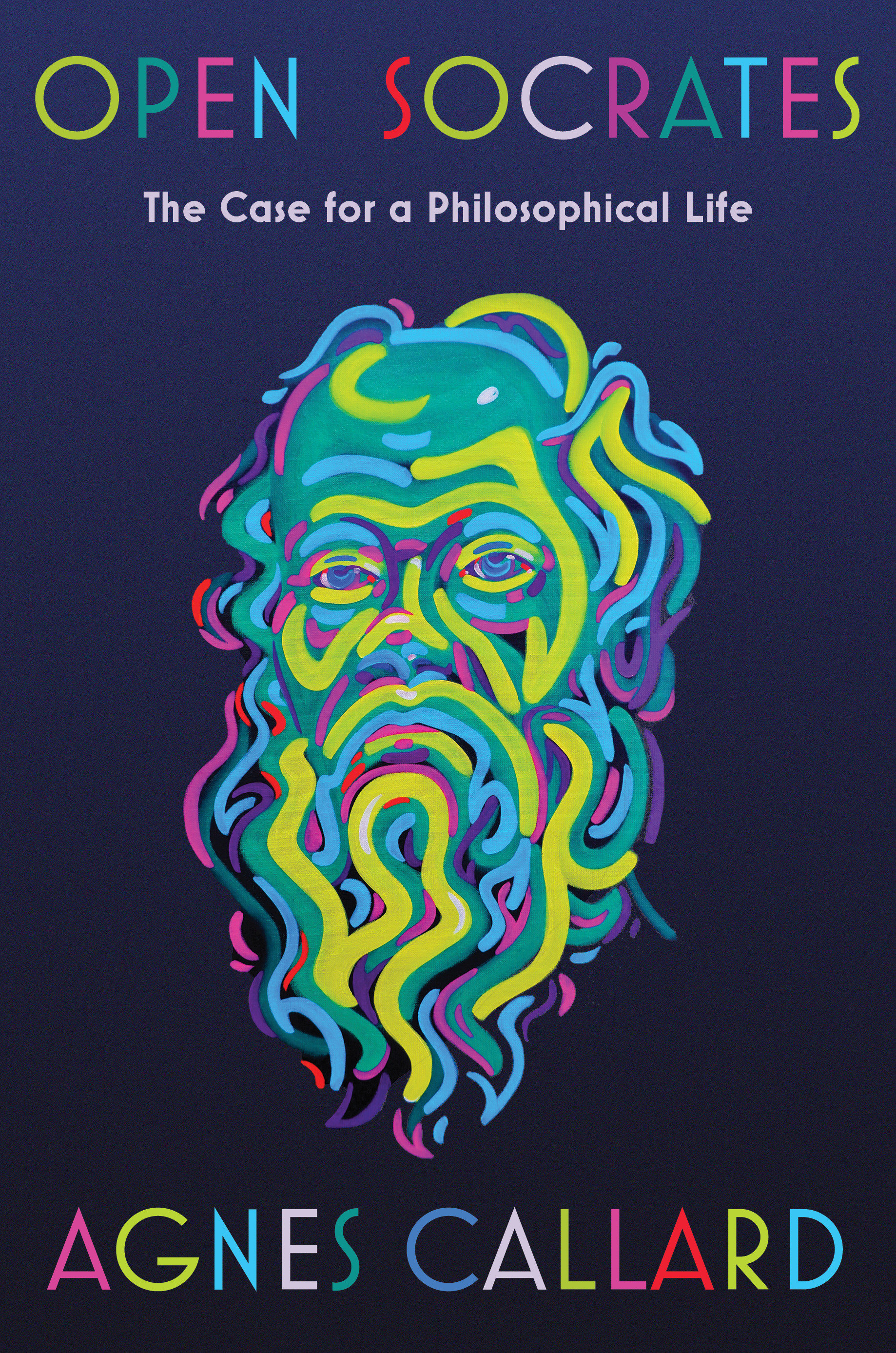
Book
Open Socrates
The Case for a Philosophical Life
Agnes Callard
WW Norton · Print & ebook · January 14, 2025
Reading lane: Philosophers' Lives
Socrates has been hiding in plain sight.
At a Glance
Why This Clicks
Why It Clicks
A thoughtful invitation into philosophy as a way of living, not just a subject.
Come here for
- philosophical life, without the marble dust
- layered reflection with a contemplative pace
Expect
- Socrates as an idea to live with
- biography threaded through reflection
Book Details
- Authors
- Agnes Callard
- Publisher
- WW Norton
- Published
- January 14, 2025
- Format
- Print & ebook
- Theme
- Philosophers' Lives · PHILOSOPHY / Ethics & Moral Philosophy
- Reading lane
- Philosophers' Lives
Affinity
Publisher Categories
Philosophers' Lives
PHILOSOPHY / Ethics & Moral Philosophy
PHILOSOPHY / Individual Philosophers
About This Book
Socrates has been hiding in plain sight. We call him the father of Western philosophy, but what exactly are his philosophical views? He is famous for his humility, but readers often find him arrogant and condescending. We parrot his claim that “the unexamined life is not worth living,” yet take no steps to live examined ones. We know that he was tried, convicted, and executed for “corrupting the youth,” but freely assign Socratic dialogues to today’s youths, to introduce the...
Read full description
Similar Books
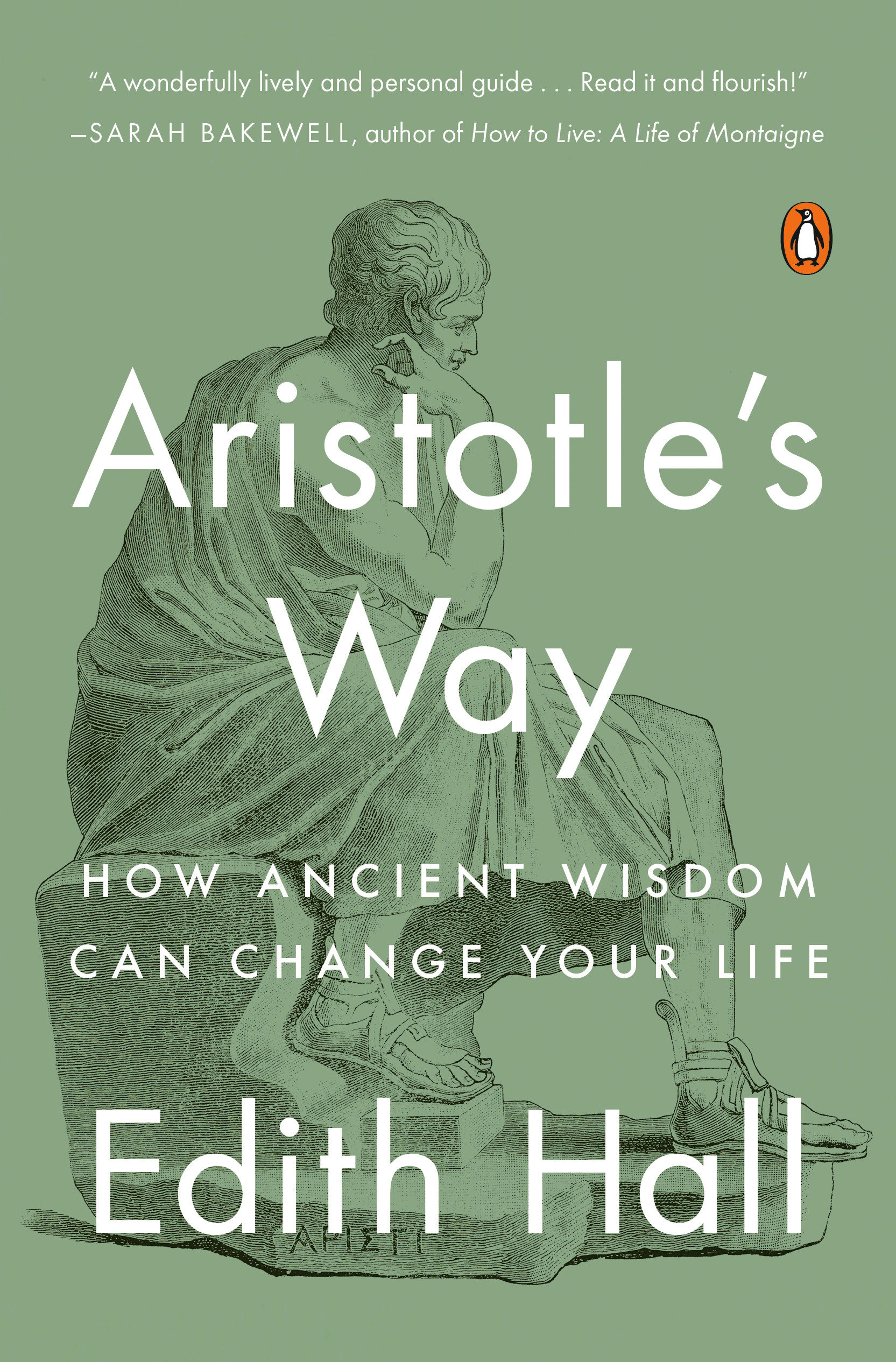
Aristotle's Way
Edith Hall · Penguin Publishing Group
Affinity signal
Philosophers' Lives
PHILOSOPHY / Individual Philosophers
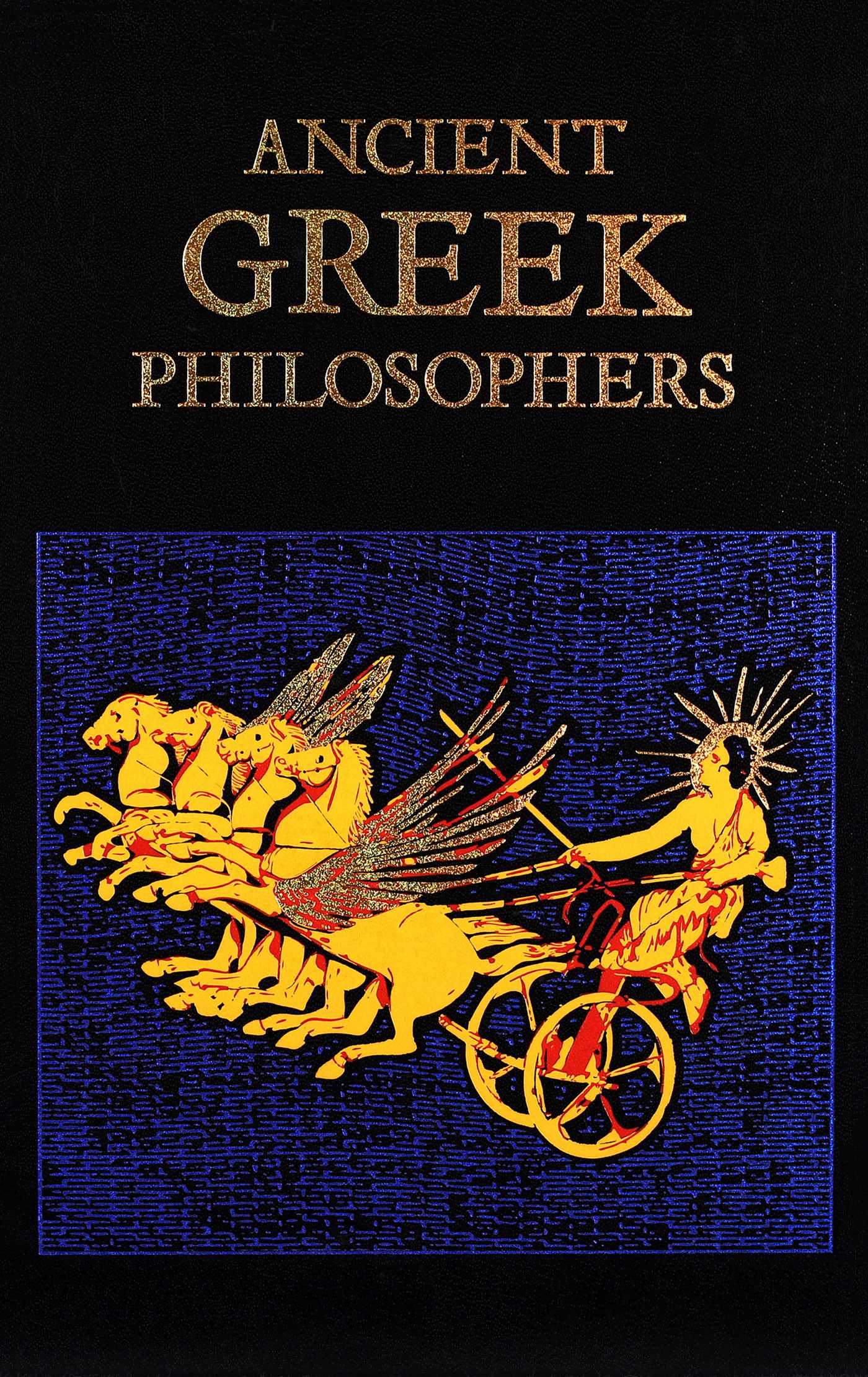
Ancient Greek Philosophers
Editors of Canterbury Classics, Ken Mondschein · Canterbury Classics
Affinity signal
Ancient Greece
Ancient & Classical Literary Criticism
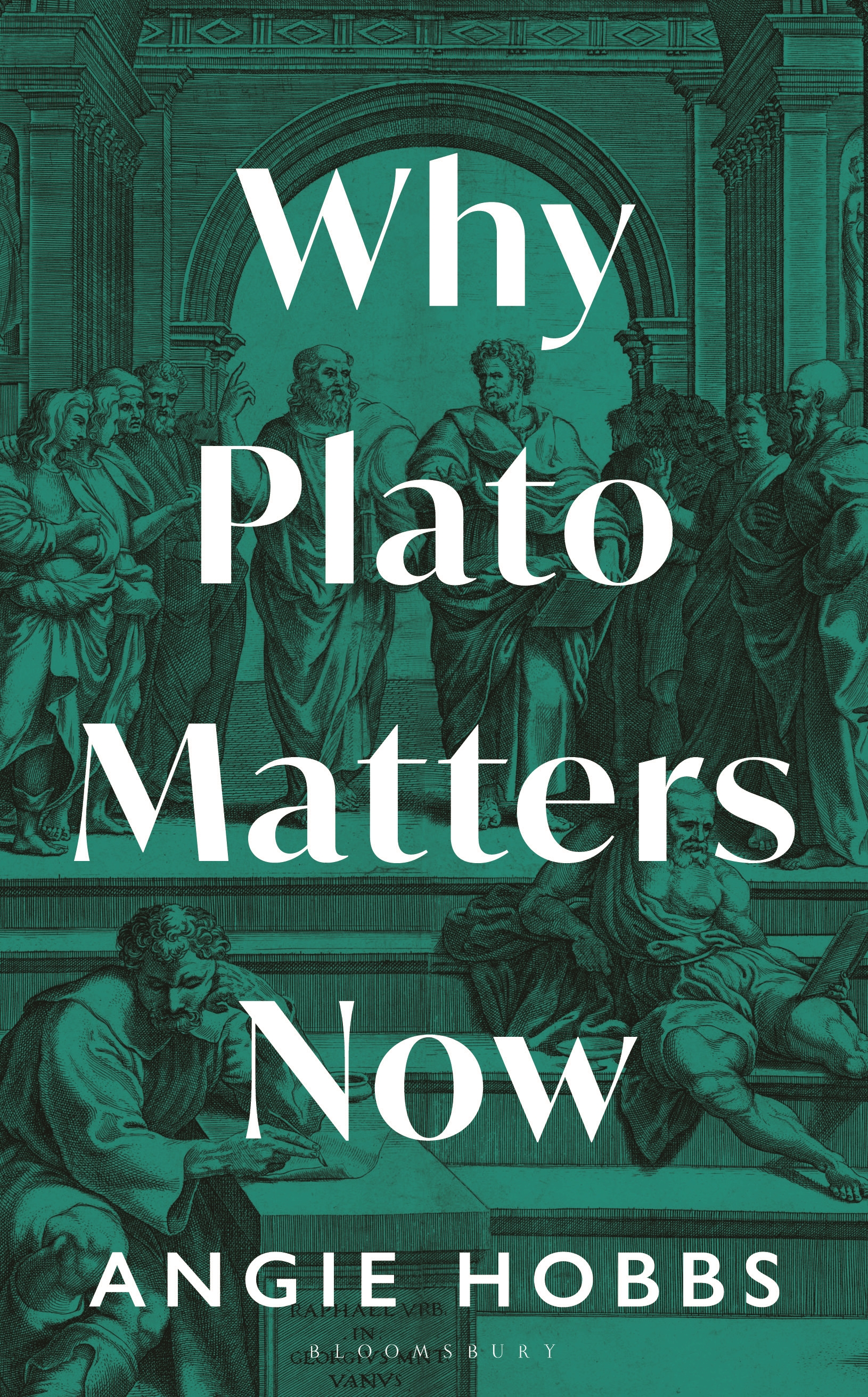
Why Plato Matters Now
Angie Hobbs · Bloomsbury
Affinity signal
Ancient & Classical Literary Criticism
Ancient Greece