

Book
One Islam, Many Muslim Worlds
Spirituality, Identity, and Resistance Across Islamic Lands
Raymond William Baker
Oxford University Press · Print & ebook · August 13, 2015
Reading lane: Politics & Government
By all measures, the late twentieth century was a time of dramatic decline for the Islamic world, the Ummah, particularly its Arab heartland.
At a Glance
Who It's For
Book Details
- Authors
- Raymond William Baker
- Publisher
- Oxford University Press
- Published
- August 13, 2015
- Format
- Print & ebook
- Theme
- Politics & Government
- Reading lane
- Politics & Government
Affinity
Publisher Categories
Politics & Government
About This Book
By all measures, the late twentieth century was a time of dramatic decline for the Islamic world, the Ummah, particularly its Arab heartland. Sober Muslim voices regularly describe their current state as the worst in the 1,400-year history of Islam. Yet, precisely at this time of unprecedented material vulnerability, Islam has emerged as a civilizational force strong enough to challenge the imposition of Western, particularly American, homogenizing power on Muslim peoples. T...
Read full description
Similar Books

The Future of Islam
John L. Esposito · Oxford University Press
Affinity signal
Religion & Spirituality
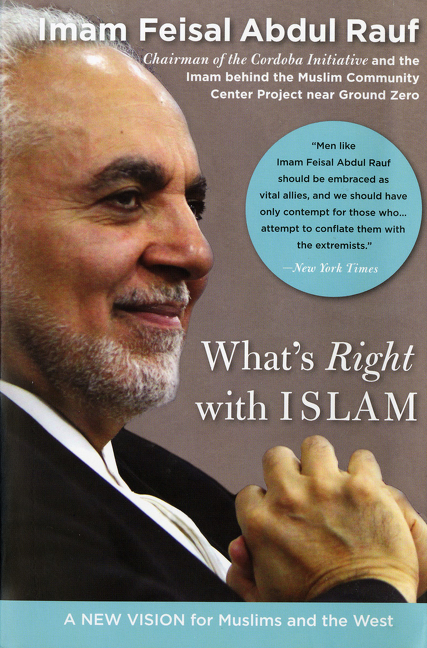
What's Right With Islam
Feisal Abdul Rauf · HarperCollins
Affinity signal
Islamic Theology
Islamic History

Red, White, and Muslim
Asma Gull Hasan · HarperCollins
Affinity signal
Cultural Heritage Lives
Geopolitics

Reopening Muslim Minds
Mustafa Akyol · St. Martin's Press
Affinity signal
Islamic Theology
Islamic History
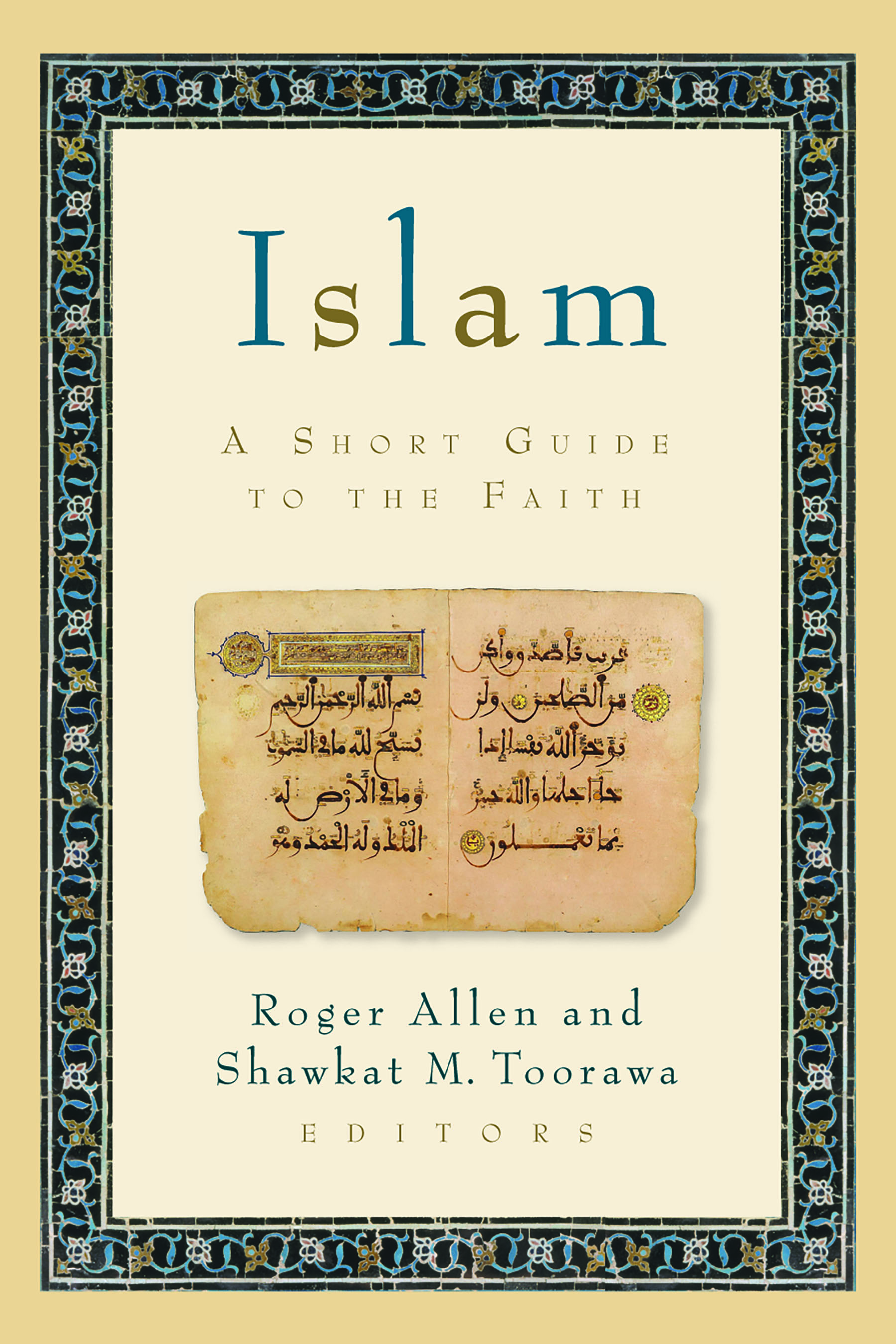
Islam
Roger Allen, Shawkat M. Toorawa · Wm. B. Eerdmans Publishing
Affinity signal
Christian Theology

Aspects of Islam
Ron Geaves, Ronald Geaves · Georgetown University Press
Affinity signal
Islamic Theology
Islamic Rituals & Practice
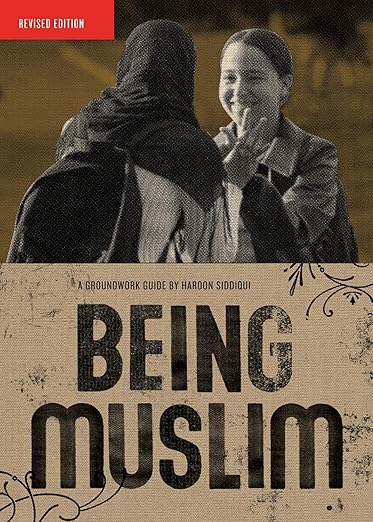
Being Muslim
Haroon Siddiqui · Groundwood Books Ltd
Affinity signal
Islamic Theology
Islamic History

Awakening Islam
Stéphane Lacroix, George Holoch · WW Norton
Affinity signal
Arabian Peninsula History
Islamic History