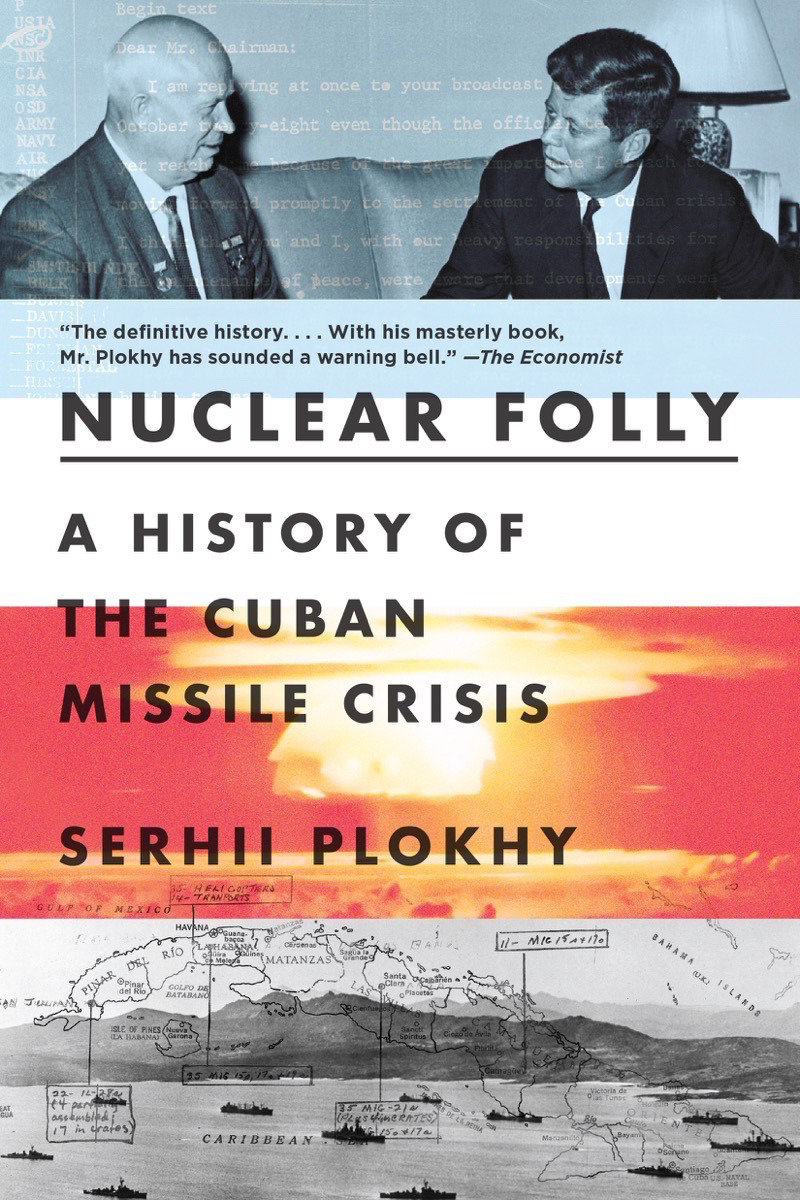
Nuclear Folly
A History of the Cuban Missile Crisis
Clear, accessible history of crisis politics, with the tension kept in the room.
Crisis and Control
Come here for
- Crisp historical explanation
- Diplomacy under pressure
Expect
- U.S. and Soviet angles
- A sustained narrative read
Where it sits
How strongly BookFrontier reads the book as belonging to each subject.
Nearest books
Matched by our semantic model. Ordered by what its readers also loved.
 The Brilliant DisasterJim Rasenberger66% subject matchShares Cold War History
 The General vs. the PresidentH. W. Brands61% subject match
 The Cold WarJohn Lewis Gaddis67% subject matchShares Cold War History
 Road to DisasterBrian VanDeMark54% subject match
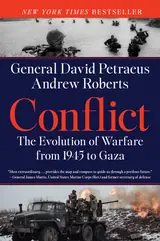 ConflictDavid Petraeus, Andrew Roberts51% subject match
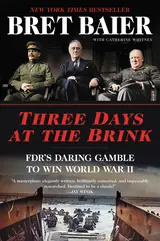 Three Days at the BrinkBret Baier, Catherine Whitney51% subject match
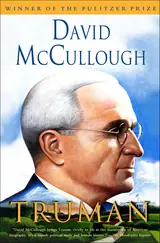 TrumanDavid McCullough53% subject match
For younger readers: Spies, Bomb, In the Shadow of the Moon
Start with three books, and this one can be the first.
Members get a new edition every morning: a route out from their books to essays, research and talks, with the reason for each.
Sign upAbout this book
A harrowing account of the Cuban missile crisis and how the US and USSR came to the brink of nuclear apocalypse.
Nearly thirty years after the end of the Cold War, today’s world leaders are abandoning disarmament treaties, building up their nuclear arsenals, and exchanging threats of nuclear strikes. To survive this new atomic age, we must relearn the lessons of the most dangerous moment of the Cold War: the Cuban missile crisis.
Continue reading
Serhii Plokhy’s Nuclear Folly offers an international perspective on the crisis, tracing the tortuous decision-making that produced and then resolved it, which involved John Kennedy and his advisers, Nikita Khrushchev and Fidel Castro, and their commanders on the ground. In breathtaking detail, Plokhy vividly recounts the young JFK being played by the canny Khrushchev; the hotheaded Castro willing to defy the USSR and threatening to align himself with China; the Soviet troops on the ground clearing jungle foliage in the tropical heat, and desperately trying to conceal nuclear installations on Cuba, which were nonetheless easily spotted by U-2 spy planes; and the hair-raising near misses at sea that nearly caused a Soviet nuclear-armed submarine to fire its weapons.
More often than not, the Americans and Soviets misread each other, operated under false information, and came perilously close to nuclear catastrophe. Despite these errors, nuclear war was ultimately avoided for one central reason: fear, and the realization that any escalation on either the Soviets’ or the Americans’ part would lead to mutual destruction.
Drawing on a range of Soviet archival sources, including previously classified KGB documents, as well as White House tapes, Plokhy masterfully illustrates the drama and anxiety of those tense days, and provides a way for us to grapple with the problems posed in our present day.
Publisher details
Publisher categories
- Nuclear Warfare
- 20th-Century America
- Arms Control & Security
- Authors
- Serhii Plokhy
- Publisher
- WW Norton
- Published
- October 4, 2022
- Format
- Print & ebook
- Reading lane
- Nuclear Warfare