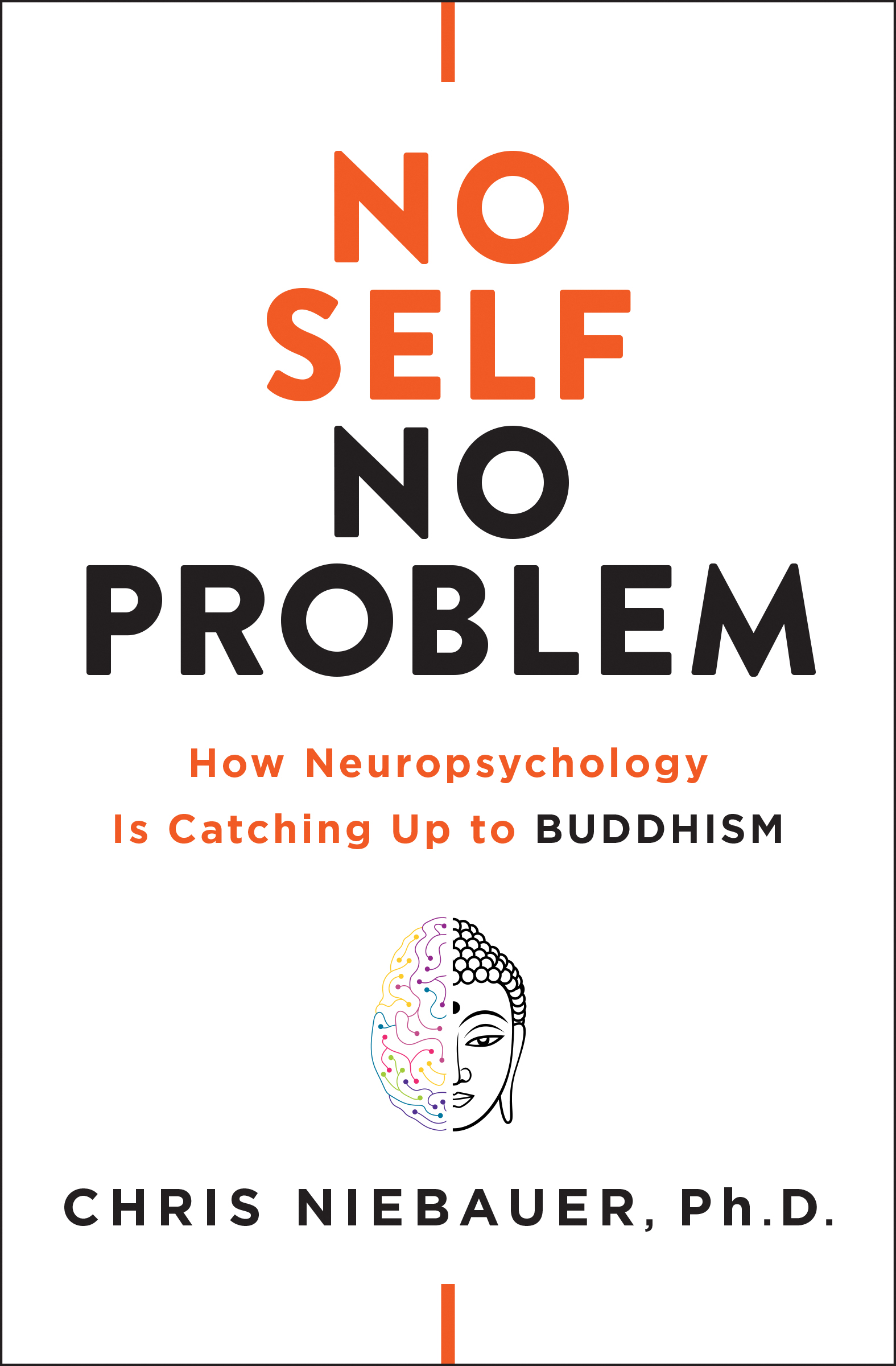
A compact bridge between brain science and Buddhist ideas of selfhood.
Mind Meets Buddhism
Come here for
- neuropsychology meeting Buddhist thought
- clear framing of self, mind, and relief
Expect
- an explanatory, reflective read
- psychology with a contemplative edge
Where it sits
How strongly BookFrontier reads the book as belonging to each subject.
Nearest books
Matched by our semantic model. Ordered by what its readers also loved.
 The Mind IlluminatedJohn Yates, Matthew Immergut52% subject match
 Altered TraitsDaniel Goleman, Richard J. Davidson61% subject matchShares Neuroscience
 The Hidden SpringMark Solms60% subject match
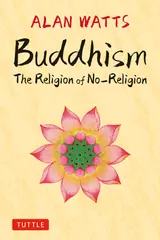 BuddhismAlan Watts52% subject matchShares Buddhist Thought
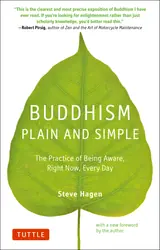 Buddhism Plain and SimpleSteve Hagen56% subject match
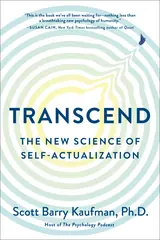 TranscendScott Barry Kaufman, PhD53% subject match
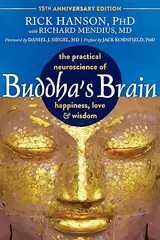 Buddha's BrainRick Hanson66% subject matchShares Neuroscience
 Already FreeBruce Tift, MA, LMFT64% subject match
For younger readers: Wide Awake
Start with three books, and this one can be the first.
Members get a new edition every morning: a route out from their books to essays, research and talks, with the reason for each.
Sign upAbout this book
While in grad school in the early 1990s, Chris Niebauer began to notice striking parallels between the latest discoveries in psychology, neuroscience, and the teachings of Buddhism, Taoism, and other schools of Eastern thought. When he presented his findings to a professor, his ideas were quickly dismissed as “pure coincidence, nothing more.”
Continue reading
Fast-forward 20 years later and Niebauer is a PhD and a tenured professor, and the Buddhist-neuroscience connection he found as a student is practically its own genre in the bookstore. But according to Niebauer, we are just beginning to understand the link between Eastern philosophy and the latest findings in psychology and neuroscience and what these assimilated ideas mean for the human experience.
In this groundbreaking book, Niebauer writes that the latest research in neuropsychology is now confirming a fundamental tenet of Buddhism, what is called Anatta, or the doctrine of “no self.” Niebauer writes that our sense of self, or what we commonly refer to as the ego, is an illusion created entirely by the left side of the brain. Niebauer is quick to point out that this doesn't mean that the self doesn't exist but rather that it does so in the same way that a mirage in the middle of the desert exists, as a thought rather than a thing. His conclusions have significant ramifications for much of modern psychological modalities, which he says are spending much of their time trying to fix something that isn’t there.
What makes this book unique is that Niebauer offers a series of exercises to allow the reader to experience this truth for him- or herself, as well as additional tools and practices to use after reading the book, all of which are designed to change the way we experience the world—a way that is based on being rather than thinking.
Publisher details
Publisher categories
- Buddhist Thought
- Brain & Behavior
- Authors
- Chris Niebauer
- Publisher
- Red Wheel Weiser LLC
- Published
- September 3, 2019
- Format
- Print & ebook
- Reading lane
- Buddhist Thought