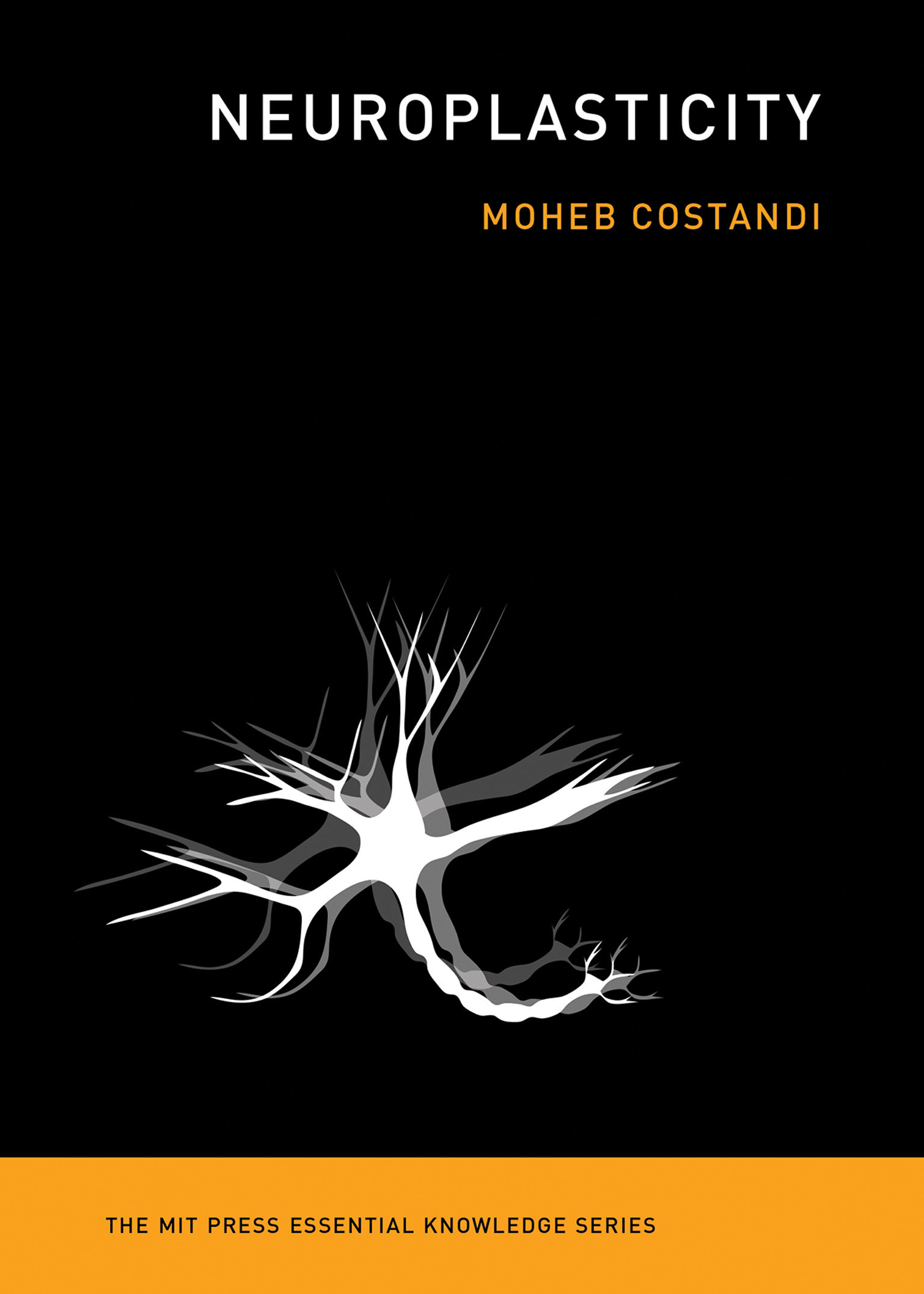
Neuroplasticity
A clear, classroom-ready look at how neuroplasticity shapes how we understand the brain.
Brain in Motion
Come here for
- neuroplasticity as the organizing idea
- classroom-friendly science framing
Expect
- science-pick positioning
- insight-first, study-oriented read
Where it sits
How strongly BookFrontier reads the book as belonging to each subject.
Nearest books
Matched by our semantic model. Ordered by what its readers also loved.
 Super BrainRudolph E. Tanzi, Ph.D., Deepak Chopra, M.D.63% subject match
 The Extended MindAnnie Murphy Paul57% subject match
 ADHD 2.0Edward M. Hallowell, M.D., John J. Ratey, M.D.54% subject match
For younger readers: Winning the War in Your Mind for Teens, The Brain, A Kids Book About Neurodiversity
Start with three books, and this one can be the first.
Members get a new edition every morning: a route out from their books to essays, research and talks, with the reason for each.
Sign upAbout this book
The real story of how our brains and nervous systems change throughout our lifetimes—with or without “brain training.”
Fifty years ago, neuroscientists thought that a mature brain was fixed like a fly in amber, unable to change. Today, we know that our brains and nervous systems change throughout our lifetimes.
Continue reading
This concept of neuroplasticity has captured the imagination of a public eager for self-improvement—and has inspired countless Internet entrepreneurs who peddle dubious “brain training” games and apps. In this book, Moheb Costandi offers a concise and engaging overview of neuroplasticity for the general reader, describing how our brains change continuously in response to our actions and experiences.
Costandi discusses key experimental findings, and describes how our thinking about the brain has evolved over time. He explains how the brain changes during development, and the “synaptic pruning” that takes place before brain maturity. He shows that adult brains can grow new cells (citing, among many other studies, research showing that sexually mature male canaries learn a new song every year). He describes the kind of brain training that can bring about improvement in brain function. It’s not gadgets and games that promise to “rewire your brain” but such sustained cognitive tasks as learning a musical instrument or a new language. He tells how brains compensate after stroke or injury; describes addiction and pain as maladaptive forms of neuroplasticity; and considers brain changes that accompany childhood, adolescence, parenthood, and aging.
Each of our brains is custom-built. Neuroplasticity is at the heart of what makes us human.
Publisher details
Publisher categories
- Neuroscience
- Cognitive Science
- Authors
- Moheb Costandi
- Publisher
- MIT Press
- Published
- August 19, 2016
- Format
- Print & ebook
- Reading lane
- Neuroscience