

Book
Manifest Destiny 2.0
Genre Trouble in Game Worlds
Sara Humphreys
Nebraska · Print & ebook · February 1, 2021
Reading lane: 21st Century Literature
At a time when print and film have shown the classic Western and noir genres to be racist, heteronormative, and neocolonial, Sara Humphreys’s Manifest Destiny 2.0 asks why these genres endure so prolifically in the video game market.
At a Glance
Who It's For
Book Details
- Authors
- Sara Humphreys
- Publisher
- Nebraska
- Published
- February 1, 2021
- Format
- Print & ebook
- Theme
- 21st Century Literature · American Lit Crit
- Reading lane
- 21st Century Literature
Affinity
Publisher Categories
SF & Fantasy Criticism
21st Century Literature
How Media Works
About This Book
At a time when print and film have shown the classic Western and noir genres to be racist, heteronormative, and neocolonial, Sara Humphreys’s Manifest Destiny 2.0 asks why these genres endure so prolifically in the video game market. While video games provide a radically new and exciting medium for storytelling, most game narratives do not offer fresh ways of understanding the world. Video games with complex storylines are based on enduring American literary genres that diss...
Read full description
Similar Books

The Greatest Stories Ever Played
Dustin Hansen · Feiwel & Friends
Affinity signal
Game Dev
Games & Entertainment Tech

Blast, Corrupt, Dismantle, Erase
Brett Josef Grubisic, Gisèle M. Baxter · Wilfrid Laurier University Press
Affinity signal
21st Century Literature
Apocalyptic & Post-Apocalyptic
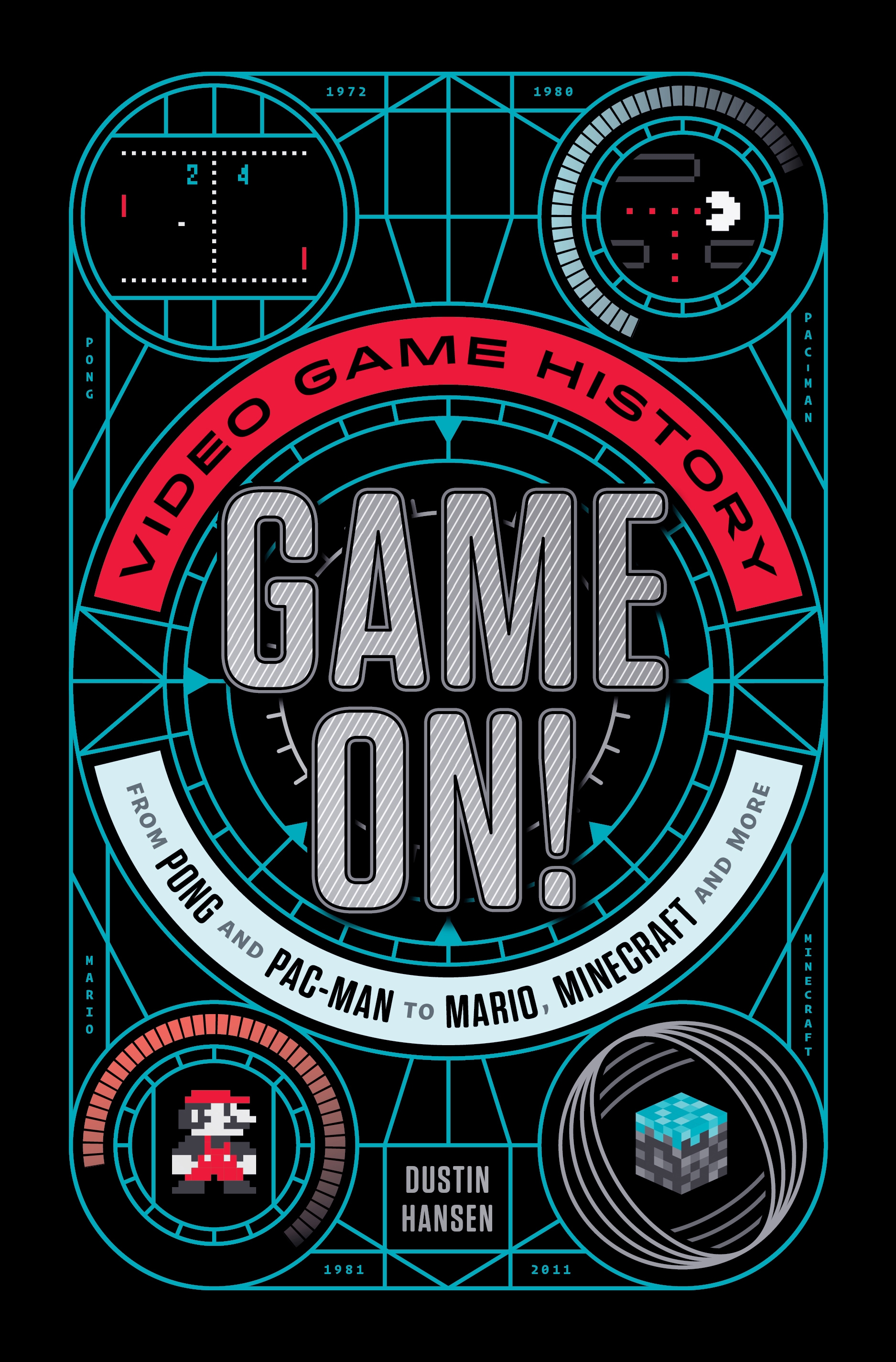
Game On!
Dustin Hansen · Square Fish
Affinity signal
Game Dev
Games & Entertainment Tech