
Machine Learning with Python for Everyone
Build and evaluate machine learning systems through Python examples, plain-English stories, and pictures.
- Themes
- Machine learning fundamentals, Building and evaluating learning systems, Python and scikit-learn
- Pacing
- Steady
Learning Systems
Come here for
- Plain-English stories, pictures, and Python examples
- Classifiers, regressors, feature engineering, and performance assessment
Expect
- Steps for building, training, and evaluating learning systems
- Applications to images and text, plus neural networks and graphical models
Where it sits
How strongly BookFrontier reads the book as belonging to each subject.
Nearest books
Matched by our semantic model. Ordered by what its readers also loved.
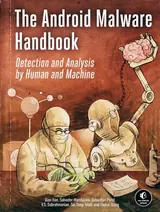 The Android Malware HandbookQian Han, Salvador Mandujano49% subject matchShares Machine Learning
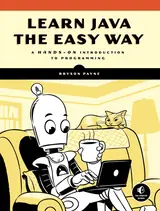 Learn Java the Easy WayBryson Payne46% subject match
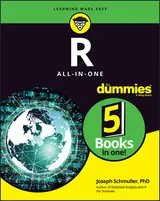 R All-in-One For DummiesJoseph Schmuller45% subject match
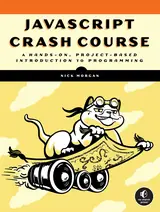 JavaScript Crash CourseNick Morgan45% subject match
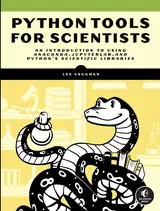 Python Tools for ScientistsLee Vaughan56% subject matchShares Python Programming
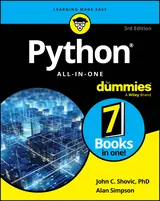 Python All-in-One For DummiesJohn C. Shovic, Alan Simpson53% subject matchShares Python Programming
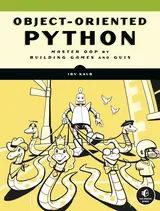 Object-Oriented PythonIrv Kalb53% subject matchShares Python Programming
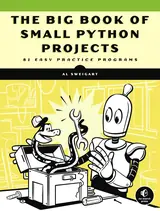 The Big Book of Small Python ProjectsAl Sweigart49% subject matchShares Python Programming
For younger readers: Adventures in Python, Coding Projects in Scratch, Python for Kids
Start with three books, and this one can be the first.
Members get a new edition every morning: a route out from their books to essays, research and talks, with the reason for each.
Sign upAbout this book
The Complete Beginner's Guide to Understanding and Building Machine Learning Systems with Python
Machine Learning with Python for Everyone will help you master the processes, patterns, and strategies you need to build effective learning systems, even if you're an absolute beginner. If you can write some Python code, this book is for you, no matter how little college-level math you know.
Continue reading
Principal instructor Mark E. Fenner relies on plain-English stories, pictures, and Python examples to communicate the ideas of machine learning.
Mark begins by discussing machine learning and what it can do; introducing key mathematical and computational topics in an approachable manner; and walking you through the first steps in building, training, and evaluating learning systems. Step by step, you'll fill out the components of a practical learning system, broaden your toolbox, and explore some of the field's most sophisticated and exciting techniques. Whether you're a student, analyst, scientist, or hobbyist, this guide's insights will be applicable to every learning system you ever build or use.
- Understand machine learning algorithms, models, and core machine learning concepts
- Classify examples with classifiers, and quantify examples with regressors
- Realistically assess performance of machine learning systems
- Use feature engineering to smooth rough data into useful forms
- Chain multiple components into one system and tune its performance
- Apply machine learning techniques to images and text
- Connect the core concepts to neural networks and graphical models
- Leverage the Python scikit-learn library and other powerful tools
Register your book for convenient access to downloads, updates, and/or corrections as they become available. See inside book for details.
Publisher details
Publisher categories
- AI & Machine Learning
- Data Mining
- Python Programming
- Authors
- Mark Fenner
- Publisher
- Pearson Education
- Published
- August 16, 2019
- Format
- Print & ebook
- Reading lane
- AI & Machine Learning