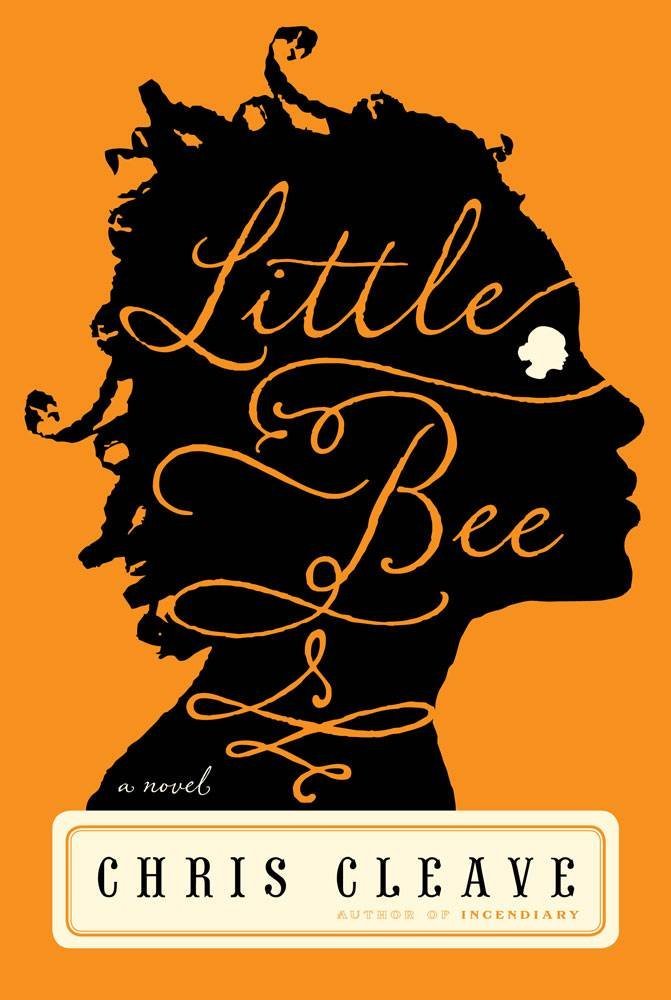
Little Bee
- Themes
- Refugee policy, Violence and its effects, Reconciliation and healing
Who it’s for
- For readers interested in refugee experiences and policy
- For readers drawn to stories of reconciliation and healing
Where it sits
- 94%Fiction
How strongly BookFrontier reads the book as belonging to each subject.
Nearest books
Matched by our semantic model. Ordered by what its readers also loved.
 This Is How It Always IsLaurie Frankel53% subject match
 Before We Were YoursLisa Wingate54% subject match
 Stay with MeAyobami Adebayo53% subject match
 Where the Forest Meets the StarsGlendy Vanderah57% subject match
 Famous Last WordsGillian McAllister51% subject match
 The Calamity ClubKathryn Stockett53% subject match
 The ExilesChristina Baker Kline52% subject match
 Season of Migration to the NorthTayeb Salih52% subject match
For younger readers: The War that Saved My Life, Sold, How I Live Now
Start with three books, and this one can be the first.
Members get a new edition every morning: a route out from their books to essays, research and talks, with the reason for each.
Sign upAbout this book
Sarah Summers is enjoying a holiday on a Nigerian beach when a young girl named Little Bee crashes irrevocably into her life. All it takes is a brief and horrifying moment of crisis — a terrifying scene that no reader will forget. Afterwards, Sarah and Little Bee might expect never to see each other again. But Little Bee finds Sarah’s husband’s wallet in the sand, and smuggles herself on board a cargo vessel with his address in mind.
Continue reading
She spends two years in detention in England before making her way to Sarah’s house, with what will prove to be devastating timing.
Chapter by chapter, alternating between Little Bee’s voice and Sarah’s, Chris Cleave wholly and caringly portrays two very different women trying to cope with events they’d never imagined. Little Bee is experiencing all the fullness and emptiness of the rich world for the first time, and her observations are hopeful, charming and piercing: “Most days I wish I was a British pound coin instead of an African girl,” she says: “Everyone would be pleased to see me coming.”
Sarah is more cynical and disheartened, a successful magazine editor trying to find meaning in the face of turmoil at home and work. As the story develops, however, we learn about what matters most to her, including her fierce, protective love for her funny little son (“From the Spring of 2007 until the end of that long summer when Little Bee came to live with us,” Sarah says, “my son removed his Batman costume only at bathtimes.”). Sarah is trying to find herself as much as Little Bee is — and, unexpectedly, each character discovers a ray of hope in the other.
What follows when Little Bee comes back into Sarah’s life is a powerful story of reconciliation and healing, but it is mixed in with a generous helping of satire about the daily difficulties of modern life. This is a novel about important issues, from refugee policy to the devastating effects of violence, but more than that, it does something only great fiction can: Little Bee teaches us what it is like to live through experiences most of us think of only as far off disasters in the news.
As ever, the author says it best: “It’s an uplifting, thrilling, universal human story, and I just worked to keep it simple. One brave African girl; one brave Western woman. What if one just turned up on the other’s doorstep one misty morning and asked, Can you help? And what if that help wasn’t just a one-way street?”
Publisher details
- Authors
- Chris Cleave
- Publisher
- Doubleday Canada
- Published
- February 10, 2009
- Format
- Print & ebook