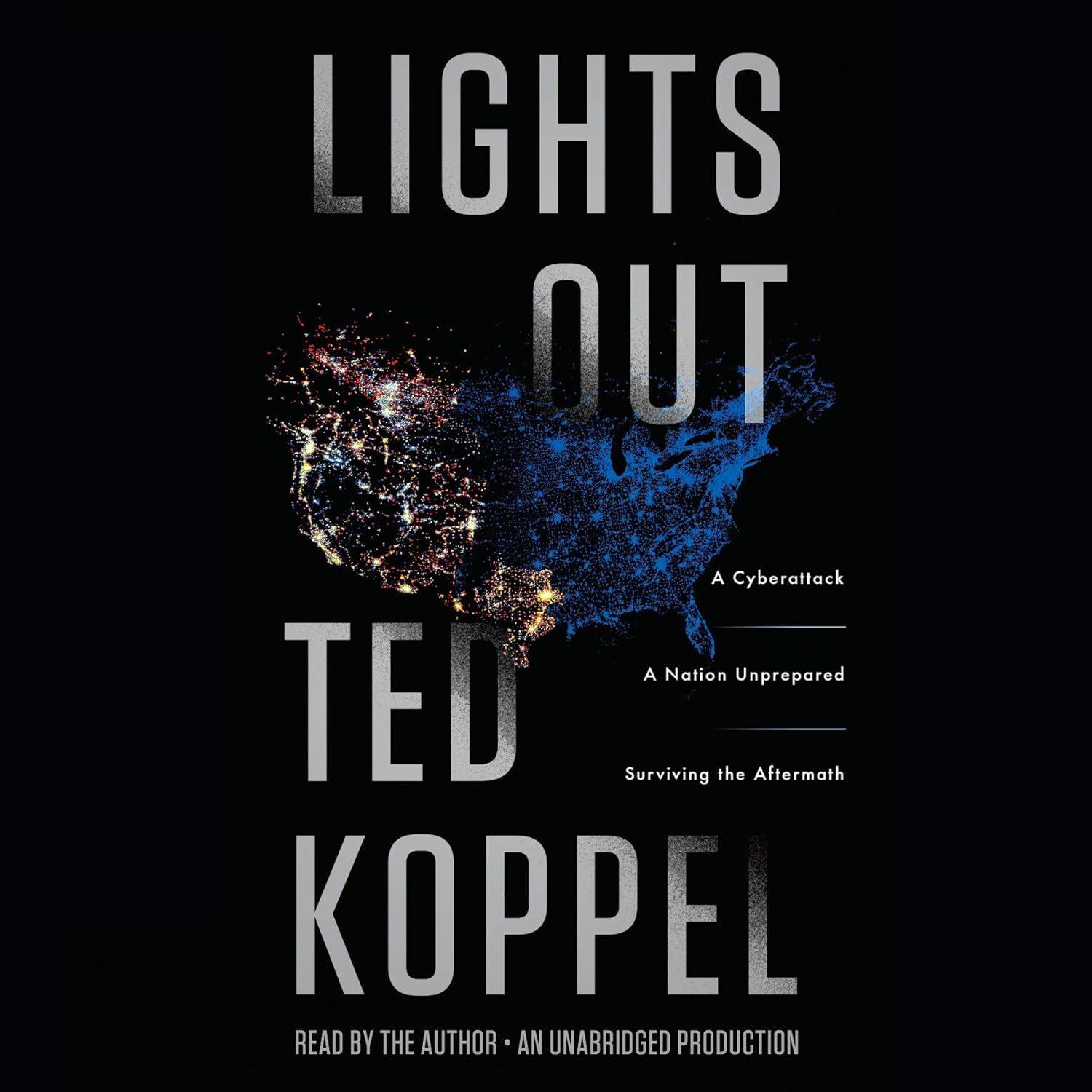
Lights Out
A Cyberattack, a Nation Unprepared, Surviving the Aftermath
A clear-eyed look at grid vulnerability makes cyberwar feel uncomfortably close to home.
- Themes
- Cyberattacks on power infrastructure, Consequences of a prolonged blackout, Disaster preparedness
When the Grid Fails
Come here for
- A national-scale threat traced through the everyday systems it could disrupt
- The uneasy gap between disaster plans and cyberattack preparedness
Expect
- Urgent reporting on a prolonged blackout and its human consequences
- A sober look at how individuals and communities prepare
Where it sits
How strongly BookFrontier reads the book as belonging to each subject.
Nearest books
Matched by our semantic model. Ordered by what its readers also loved.
 Crisis in the Red ZoneRichard Preston53% subject match
 CyberStorm: An Apocalyptic ThrillerMatthew Mather66% subject match
 Going HomeA. American60% subject match
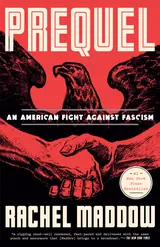 PrequelRachel Maddow55% subject match
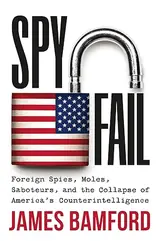 SpyfailJames Bamford53% subject matchShares Security Studies
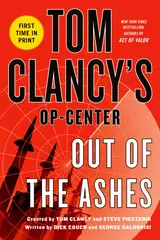 Tom Clancy's Op-Center: Out of the AshesDick Couch, George Galdorisi54% subject match
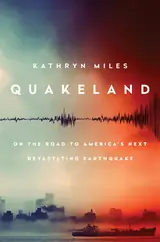 QuakelandKathryn Miles55% subject matchShares Disaster & Crisis Studies
For younger readers: How to Survive the End of the World, Two Degrees, No Dawn without Darkness
Start with three books, and this one can be the first.
Members get a new edition every morning: a route out from their books to essays, research and talks, with the reason for each.
Sign upAbout this book
In this New York Times bestselling investigation, Ted Koppel reveals that a major cyberattack on America’s power grid is not only possible but likely, that it would be devastating, and that the United States is shockingly unprepared.
Imagine a blackout lasting not days, but weeks or months. Tens of millions of people over several states are affected. For those without access to a generator, there is no running water, no sewage, no refrigeration or light.
Continue reading
Food and medical supplies are dwindling. Devices we rely on have gone dark. Banks no longer function, looting is widespread, and law and order are being tested as never before.
It isn’t just a scenario. A well-designed attack on just one of the nation’s three electric power grids could cripple much of our infrastructure—and in the age of cyberwarfare, a laptop has become the only necessary weapon. Several nations hostile to the United States could launch such an assault at any time. In fact, as a former chief scientist of the NSA reveals, China and Russia have already penetrated the grid. And a cybersecurity advisor to President Obama believes that independent actors—from “hacktivists” to terrorists—have the capability as well. “It’s not a question of if,” says Centcom Commander General Lloyd Austin, “it’s a question of when.”
And yet, as Koppel makes clear, the federal government, while well prepared for natural disasters, has no plan for the aftermath of an attack on the power grid. The current Secretary of Homeland Security suggests keeping a battery-powered radio.
In the absence of a government plan, some individuals and communities have taken matters into their own hands. Among the nation’s estimated three million “preppers,” we meet one whose doomsday retreat includes a newly excavated three-acre lake, stocked with fish, and a Wyoming homesteader so self-sufficient that he crafted the thousands of adobe bricks in his house by hand. We also see the unrivaled disaster preparedness of the Mormon church, with its enormous storehouses, high-tech dairies, orchards, and proprietary trucking company – the fruits of a long tradition of anticipating the worst. But how, Koppel asks, will ordinary civilians survive?
With urgency and authority, one of our most renowned journalists examines a threat unique to our time and evaluates potential ways to prepare for a catastrophe that is all but inevitable.
Publisher details
Publisher categories
- Civil Liberties
- Terrorism & Counterterrorism
- Civil Engineering
- Authors
- Ted Koppel
- Publisher
- Crown/Archetype
- Published
- October 27, 2015
- Format
- Print & ebook
- Reading lane
- Civil Liberties