
Life Worth Living
Albert Camus and the Quest for Meaning
A layered Camus study that reads like a thoughtful companion, not a lecture.
Camus, In Orbit
Come here for
- Camus, meaning, and the long argument with life
- Essays you can dip into without losing the thread
Expect
- Biographical angle with essayistic reach
- French literary criticism with a human pulse
Where it sits
How strongly BookFrontier reads the book as belonging to each subject.
Nearest books
Matched by our semantic model. Ordered by what its readers also loved.
 Caligula and Three Other PlaysAlbert Camus66% subject match
 MontaigneStefan Zweig54% subject matchShares Philosophers' Lives
 The Myth of SisyphusAlbert Camus67% subject match
 Open SocratesAgnes Callard52% subject matchShares Philosophers & Their Ideas
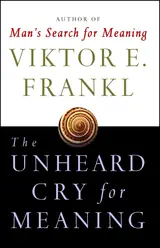 The Unheard Cry for MeaningViktor E. Frankl51% subject match
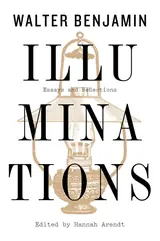 IlluminationsWalter Benjamin51% subject match
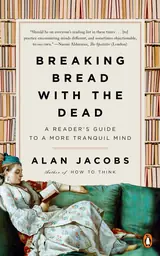 Breaking Bread with the DeadAlan Jacobs49% subject match
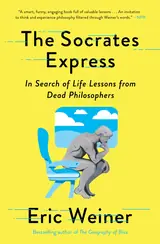 The Socrates ExpressEric Weiner49% subject matchShares Philosophers' Lives and Philosophers & Their Ideas
Start with three books, and this one can be the first.
Members get a new edition every morning: a route out from their books to essays, research and talks, with the reason for each.
Sign upAbout this book
In his Nobel Prize acceptance speech, Albert Camus declared that a writer's duty is twofold: "the refusal to lie about what one knows and the resistance against oppression." These twin obsessions help explain something of Camus' remarkable character, which is the overarching subject of this sympathetic and lively book.
Continue reading
Through an exploration of themes that preoccupied Camus--absurdity, silence, revolt, fidelity, and moderation--Robert Zaretsky portrays a moralist who refused to be fooled by the nobler names we assign to our actions, and who pushed himself, and those about him, to challenge the status quo.
Though we do not face the same dangers that threatened Europe when Camus wrote The Myth of Sisyphus and The Stranger, we confront other alarms. Herein lies Camus' abiding significance. Reading his work, we become more thoughtful observers of our own lives. For Camus, rebellion is an eternal human condition, a timeless struggle against injustice that makes life worth living. But rebellion is also bounded by self-imposed constraints--it is a noble if impossible ideal. Such a contradiction suggests that if there is no reason for hope, there is also no occasion for despair--a sentiment perhaps better suited for the ancient tragedians than modern political theorists but one whose wisdom abides. Yet we must not venerate suffering, Camus cautions: the world's beauty demands our attention no less than life's train of injustices. That recognition permits him to declare: "It was the middle of winter, I finally realized that, within me, summer was inextinguishable."
Publisher details
Publisher categories
- Writers' Lives
- French Literary Criticism
- Authors
- Robert Zaretsky
- Publisher
- WW Norton
- Published
- November 21, 2016
- Format
- Print & ebook
- Reading lane
- Writers' Lives