
Laws of Chance
Brazil's Clandestine Lottery and the Making of Urban Public Life
Series: Radical Perspectives
Amy Chazkel traces how Rio’s animal lottery illuminates Brazil’s urban public life and informal trade.
- Themes
- Brazilian urban history, Informal economies, Everyday justice
Rio’s Animal Game
Come here for
- The jogo do bicho’s rise from a Rio zoo raffle to an underground lottery
- How ticket sellers, police, and judges shaped everyday justice
Expect
- Early history from the 1892 raffle through state repression
- A study of the game’s legal gray area and social meanings
Where it sits
How strongly BookFrontier reads the book as belonging to each subject.
Nearest books
Matched by our semantic model. Ordered by what its readers also loved. Most of these share its genre: South American History.
 Bodies, Pleasures, and PassionsRichard G. Parker50% subject match
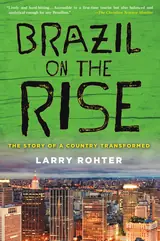 Brazil on the RiseLarry Rohter47% subject match
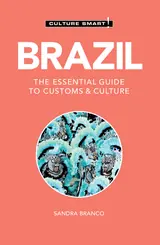 Brazil - Culture Smart!Sandra Branco46% subject matchAlso shares Caribbean & Latin American Studies
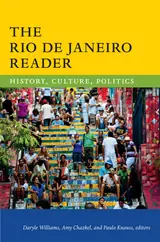 The Rio de Janeiro ReaderDaryle Williams, Amy Chazkel46% subject match
 FordlandiaGreg Grandin41% subject match
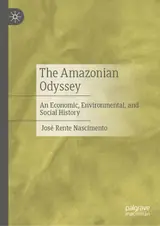 The Amazonian OdysseyJosé Rente Nascimento40% subject match
For younger readers: From My Window, Living in . . . Brazil, Who Was Pelé?
Start with three books, and this one can be the first.
Members get a new edition every morning: a route out from their books to essays, research and talks, with the reason for each.
Sign upAbout this book
The lottery called the jogo do bicho, or “animal game,” originated as a raffle at a zoo in Rio de Janeiro in 1892. During the next decade, it became a cultural phenomenon all over Brazil, where it remains popular today. Laws of Chance chronicles the game’s early history, as booking agents, dealers, and players spread throughout Rio and the lottery was outlawed and driven underground.
Continue reading
Analyzing the game’s popularity, its persistence despite bouts of state repression, and its sociocultural meanings, Amy Chazkel unearths a rich history of popular participation in urban public life in the decades after the abolition of slavery in 1888 and the establishment of the Brazilian republic in 1889. Contending that the jogo do bicho was a precursor to the massive informal economies that developed later in the twentieth century, she sheds new light on the roots of the informal trade that is central to daily life in urban Latin America. The jogo do bicho operated as a form of unlicensed petty commerce in the vast gray area between the legal and the illegal. Police records show that players and ticket sellers were often arrested but rarely prosecuted. Chazkel argues that the animal game developed in dialogue with the official judicial system. Ticket sellers, corrupt police, and lenient judges worked out a system of everyday justice that would characterize public life in Brazil throughout the twentieth century.
Publisher details
Publisher categories
- Lotteries & Odds
- South American History
- Urban Life
- Authors
- Amy Chazkel
- Publisher
- Duke University Press
- Published
- June 28, 2011
- Format
- Print & ebook
- Reading lane
- Lotteries & Odds