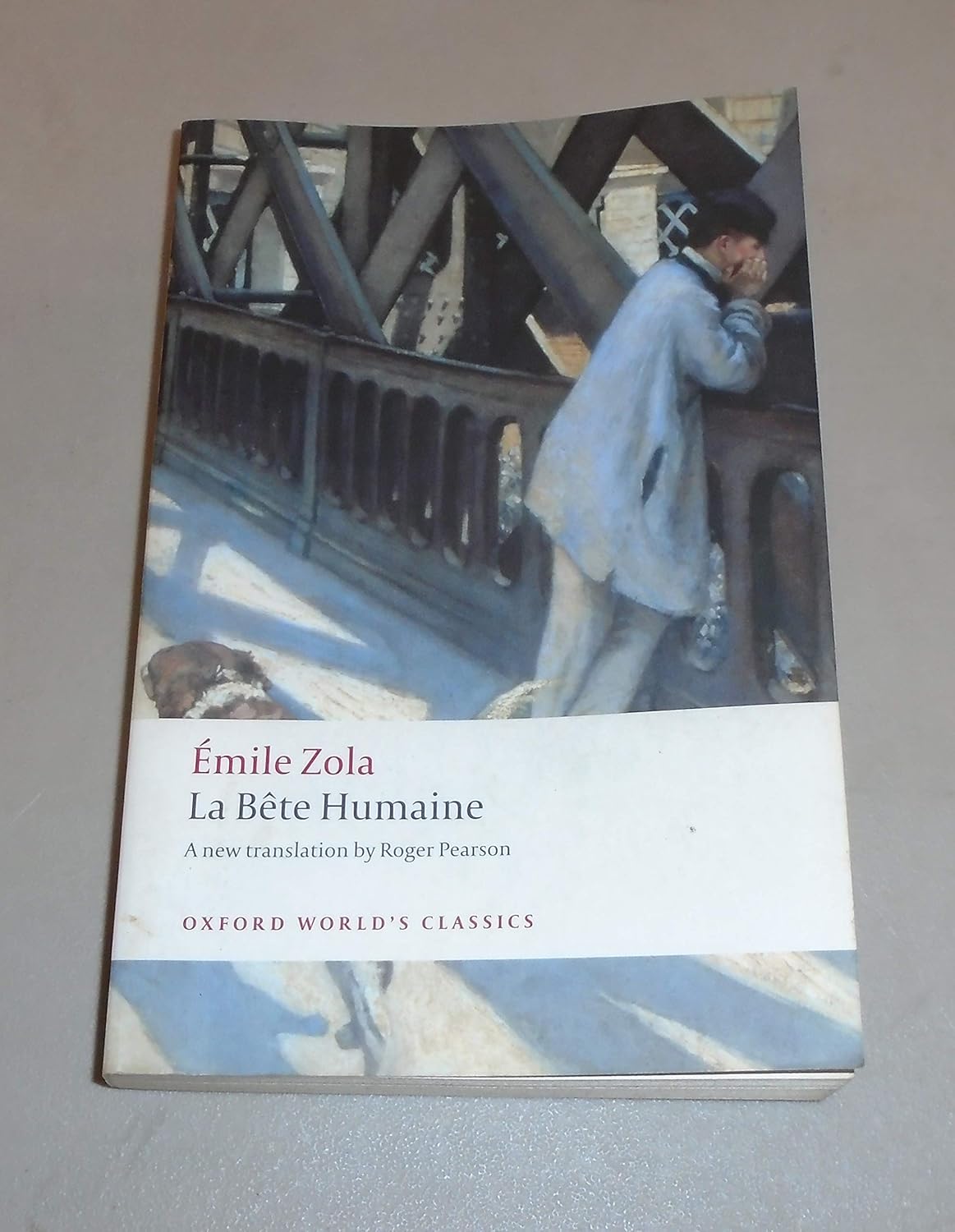
La Bête humaine
Series: Oxford World's Classics
Zola pairs a dispassionate, fast-moving style with a fierce study of violence and inherited impulses.
- Themes
- Murder, passion, and possession, Inherited evil and human nature, Technological progress and social change
- Pacing
- Fast
Progress, With Teeth
Come here for
- The uneasy collision of technological progress and the beast within
- A compassionate, psychologically charged take on violence and human inheritance
Expect
- Fast-paced narrative, rendered in a deliberately dispassionate style
- An introduction and detailed notes on the novel’s historical and literary context
Where it sits
How strongly BookFrontier reads the book as belonging to each subject.
Nearest books
Matched by our semantic model. Ordered by what its readers also loved. Most of these share its genre: The Classics.
 His MasterpieceEmile Zola57% subject match
 Bel-AmiGuy de Maupassant53% subject match
 Thérèse RaquinÉmile Zola55% subject matchAlso shares 19th-Century French Fiction and Psychological Fiction
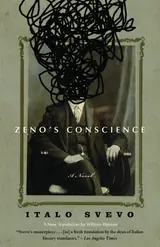 Zeno's ConscienceItalo Svevo44% subject matchAlso shares Psychological Fiction
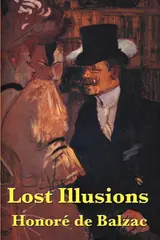 Lost IllusionsHonore Balzac52% subject match
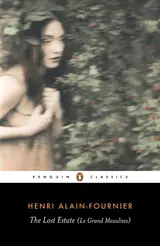 The Lost Estate (Le Grand Meaulnes)Henri Alain-Fournier46% subject match
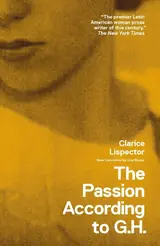 The Passion According to G.H.Clarice Lispector44% subject matchAlso shares Psychological Fiction
 Pere GoriotHonore Balzac45% subject match
For younger readers: The Phantom of the Opera, In Darkness, I Feed Her to the Beast and the Beast Is Me
Start with three books, and this one can be the first.
Members get a new edition every morning: a route out from their books to essays, research and talks, with the reason for each.
Sign upAbout this book
Did possessing and killing amount to the same thing deep within the dark recesses of the human beast? La Bete humaine (1890), is one of Zola's most violent and explicit works. On one level a tale of murder, passion and possession, it is also a compassionate study of individuals derailed by atavistic forces beyond their control.
Continue reading
Zola considered this his `most finely worked' novel, and in it he powerfully evokes life at the end of the Second Empire in France, where society seemed to be hurtling into the future like the new locomotives and railways it was building. While expressing the hope that human nature evolves through education and gradually frees itself of the burden of inherited evil, he is constantly reminding us that under the veneer of technological progress there remains, always, the beast within. This new translation captures Zola's fast-paced yet deliberately dispassionate style, while the introduction and detailed notes place the novel in its social, historical, and literary context.
Publisher details
Publisher categories
- Literary Criticism
- Authors
- Émile Zola
- Publisher
- Oxford University Press
- Published
- February 10, 2009
- Format
- Print & ebook
- Reading lane
- Literary Criticism