
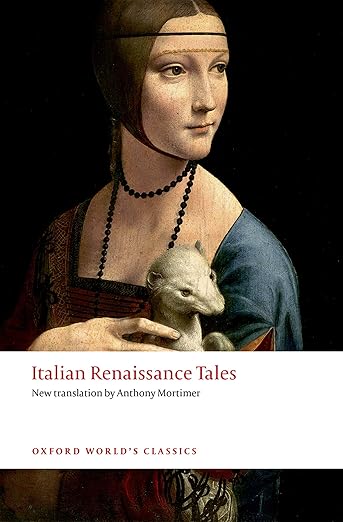
Book
Italian Renaissance Tales
Anthony Mortimer, Giovanni Boccaccio, Giovanni Fiorentino
Oxford University Press · Paperback · October 11, 2019
Reading lane: Literary Criticism
"Thus she was decapitated, and this was the end to which she was brought by her unbridled lusts." For over two centuries after Boccaccio's groundbreaking Decameron, the Italian novella exercised a crucial influence over European prose fiction.
At a Glance
Who It's For
Book Details
- Authors
- Anthony Mortimer, Giovanni Boccaccio, Giovanni Fiorentino
- Publisher
- Oxford University Press
- Published
- October 11, 2019
- Format
- Paperback
- Theme
- Literary Criticism
- Reading lane
- Literary Criticism
Affinity
Publisher Categories
Literary Criticism
About This Book
"Thus she was decapitated, and this was the end to which she was brought by her unbridled lusts." For over two centuries after Boccaccio's groundbreaking Decameron, the Italian novella exercised a crucial influence over European prose fiction. With thirty-nine stories by nineteen authors, many translated for the first time, this anthology presents tales from the whole genre and period. Here we meet a rich cast of humble peasants and shrewd craftsmen, frustrated wives, libidi...
Read full description
Similar Books
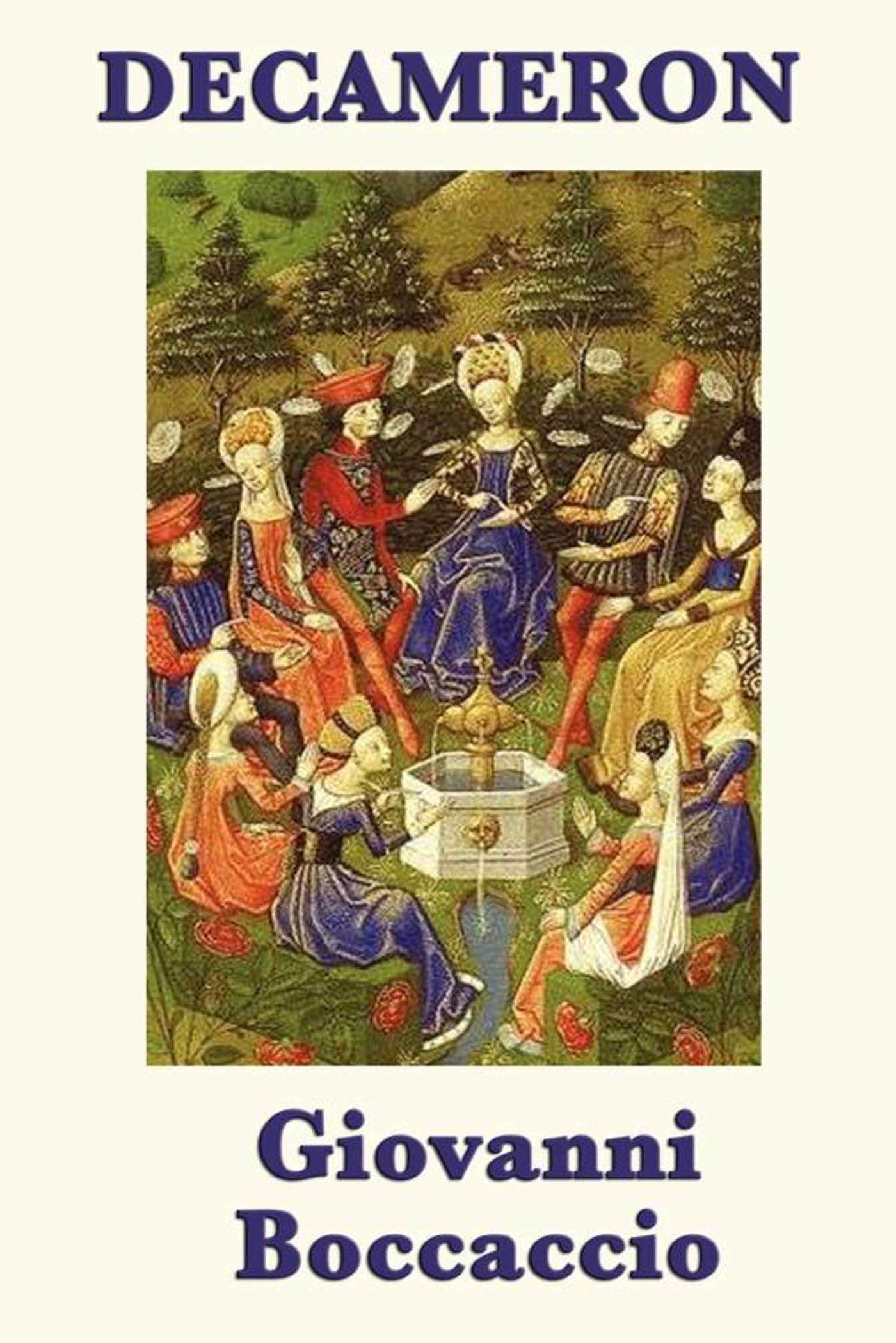
Decameron
Giovanni Boccaccio · Start Publishing LLC
Affinity signal
Historical Fiction
Literary Fiction

The Canterbury Tales
Geoffrey Chaucer · Random House Publishing Group
Affinity signal
British & Irish Poetry
Arthurian Tales

Canterbury Tales
Barbara Cohen · HarperCollins
Affinity signal
British & Irish Poetry
Arthurian Tales

The Oxford Illustrated History of the Renaissance
Gordon Campbell · Oxford University Press
Affinity signal
European History
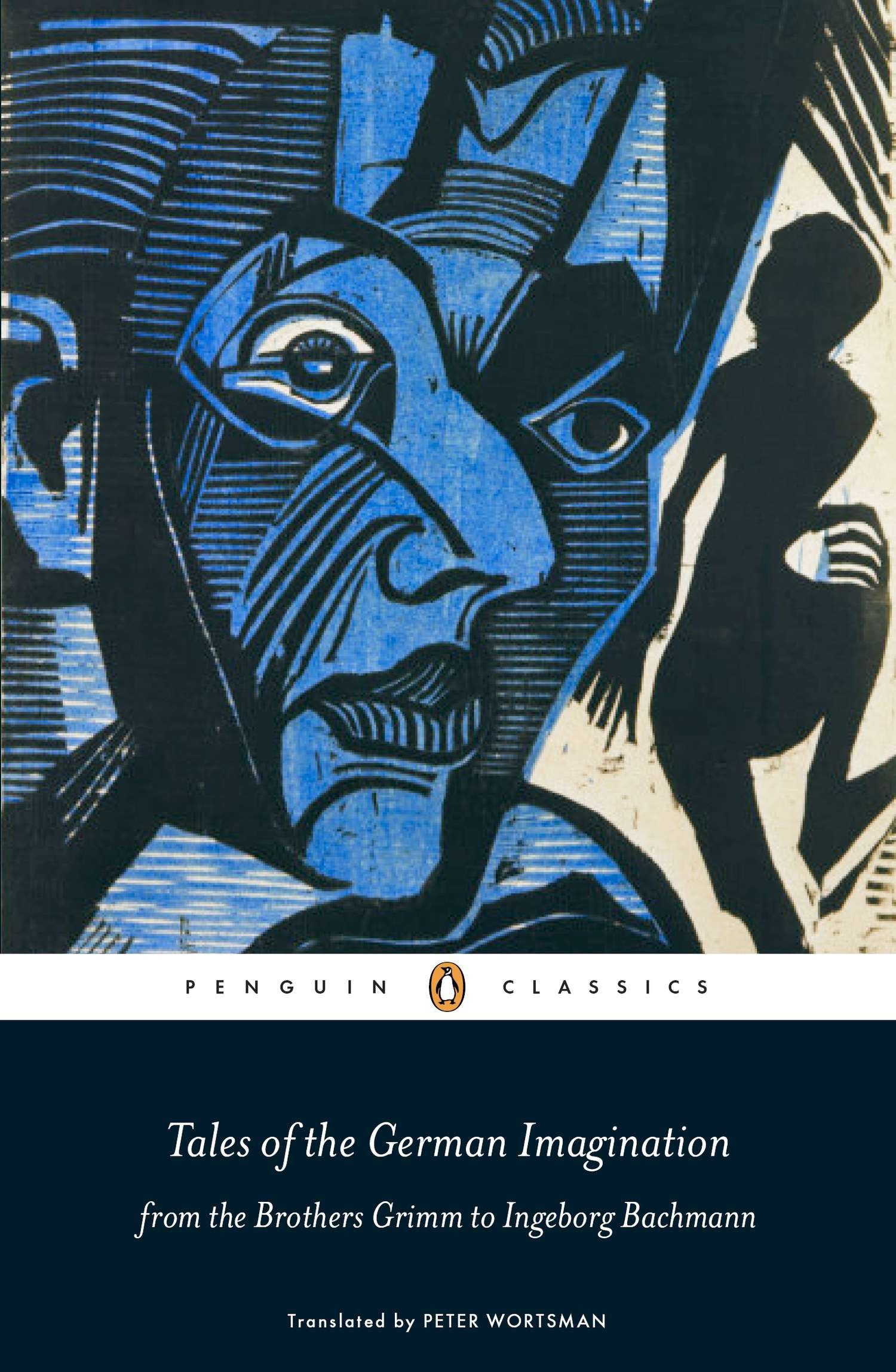
Tales of the German Imagination From the Brothers Grimm to Ingeborg Bachmann
Peter Wortsman · Penguin Publishing Group
Affinity signal
European Collections
Fairy Tales & Myths