
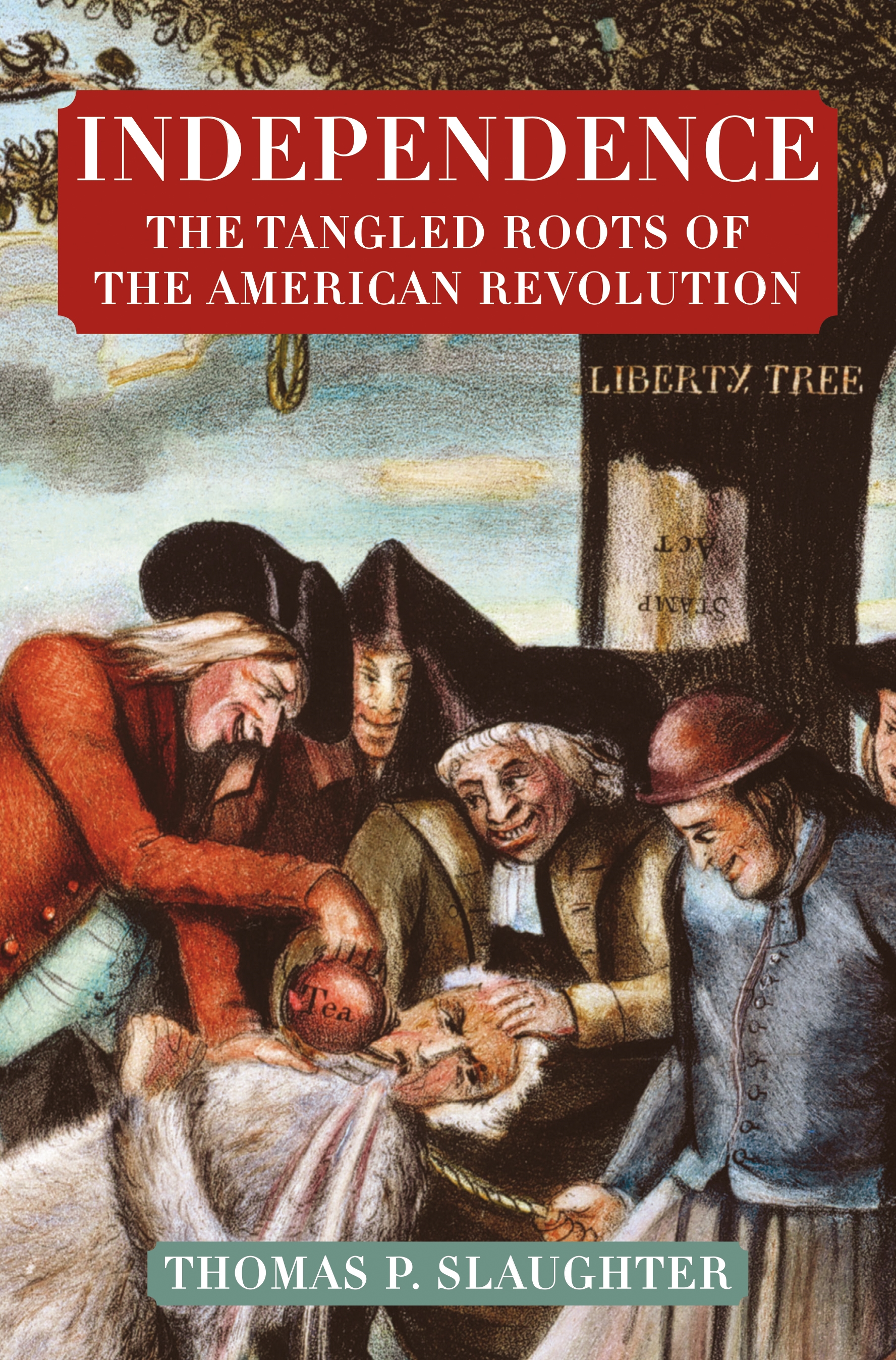
Book
Independence: the Tangled Roots of the American Revolution
Thomas P. Slaughter
Farrar Straus & Giroux · Paperback · June 9, 2015
Reading lane: Revolutionary America (1775-1800)
An important new interpretation of the American colonists' 150-year struggle to achieve independence "What do we mean by the Revolution?" John Adams asked Thomas Jefferson in 1815.
At a Glance
Who It's For
Book Details
- Authors
- Thomas P. Slaughter
- Publisher
- Farrar Straus & Giroux
- Published
- June 9, 2015
- Format
- Paperback
- Theme
- Revolutionary America (1775-1800) · Colonial America (to 1775)
- Reading lane
- Revolutionary America (1775-1800)
Affinity
Publisher Categories
Colonial America (to 1775)
Revolutionary America (1775-1800)
About This Book
An important new interpretation of the American colonists' 150-year struggle to achieve independence "What do we mean by the Revolution?" John Adams asked Thomas Jefferson in 1815. "The war? That was no part of the Revolution. It was only an effect and consequence of it." As the distinguished historian Thomas P. Slaughter shows in this landmark history, the roots of the Revolution went back even further than Adams may have realized. In Slaughter's account, colonists in Briti...
Read full description
Similar Books
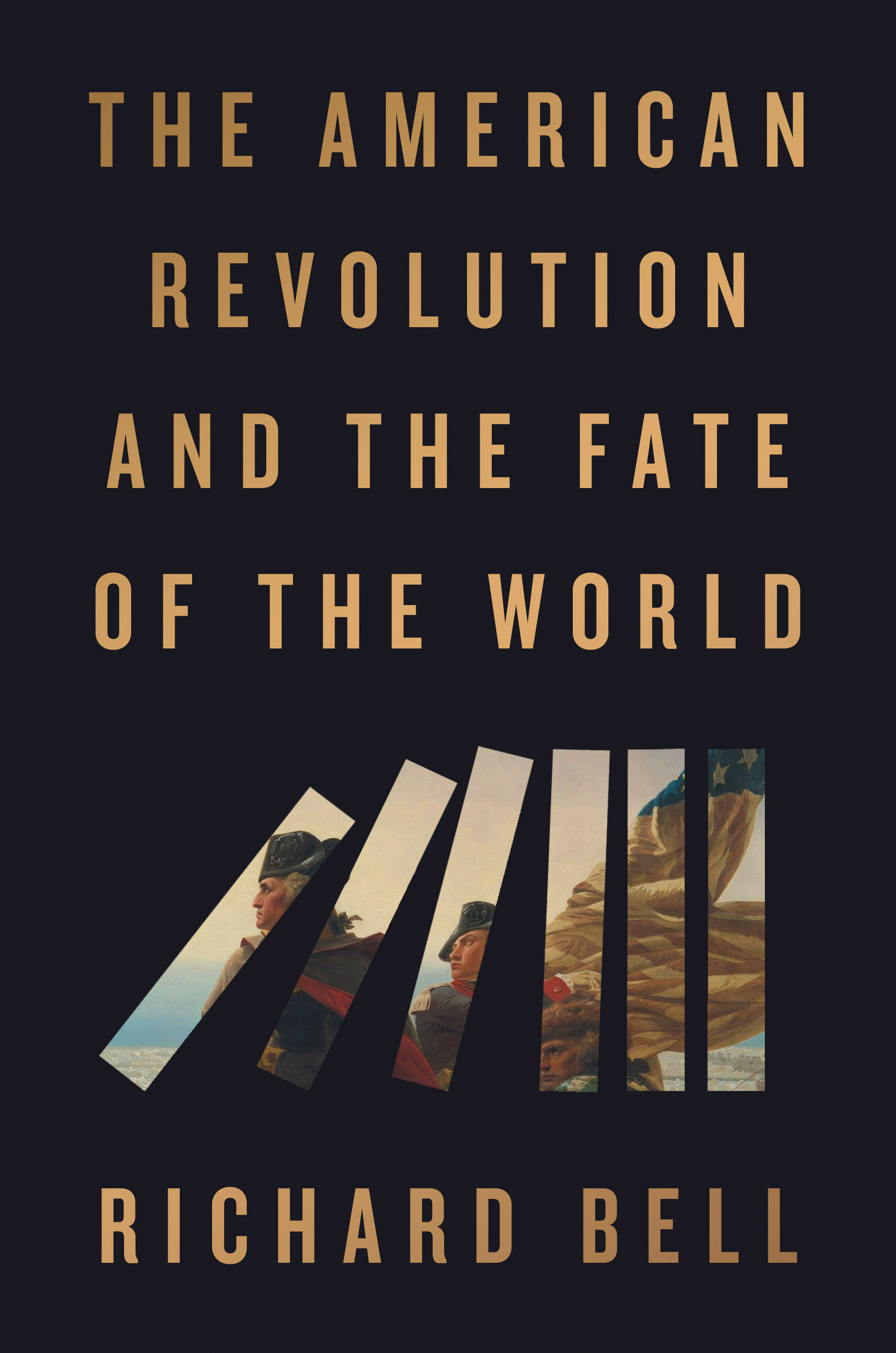
The American Revolution and the Fate of the World
Richard Bell · Penguin Publishing Group
Affinity signal
Revolutionary America (1775-1800)
Colonial America (to 1775)
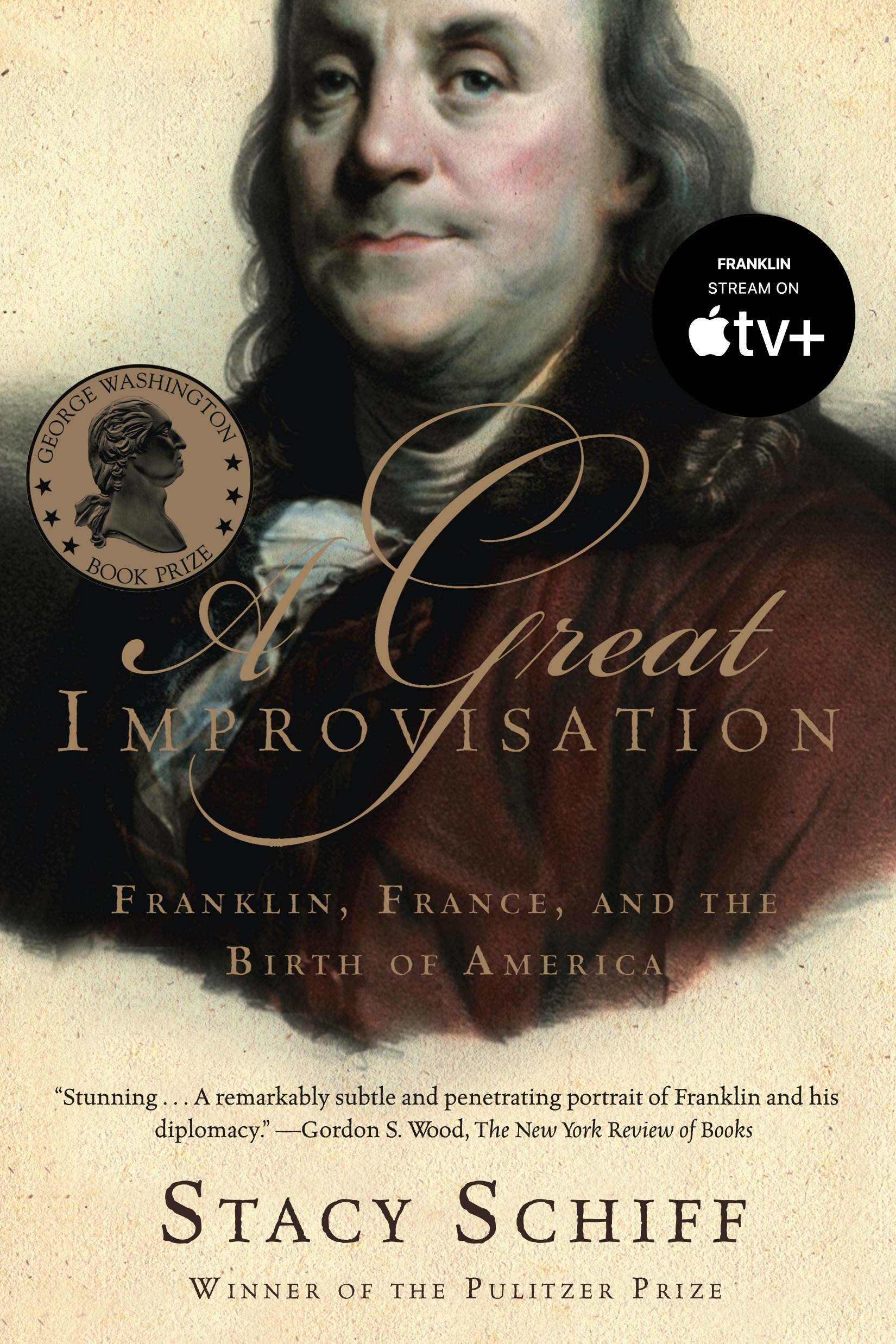
A Great Improvisation
Stacy Schiff · Henry Holt and Co.
Affinity signal
Revolutionary America (1775-1800)
Colonial America (to 1775)
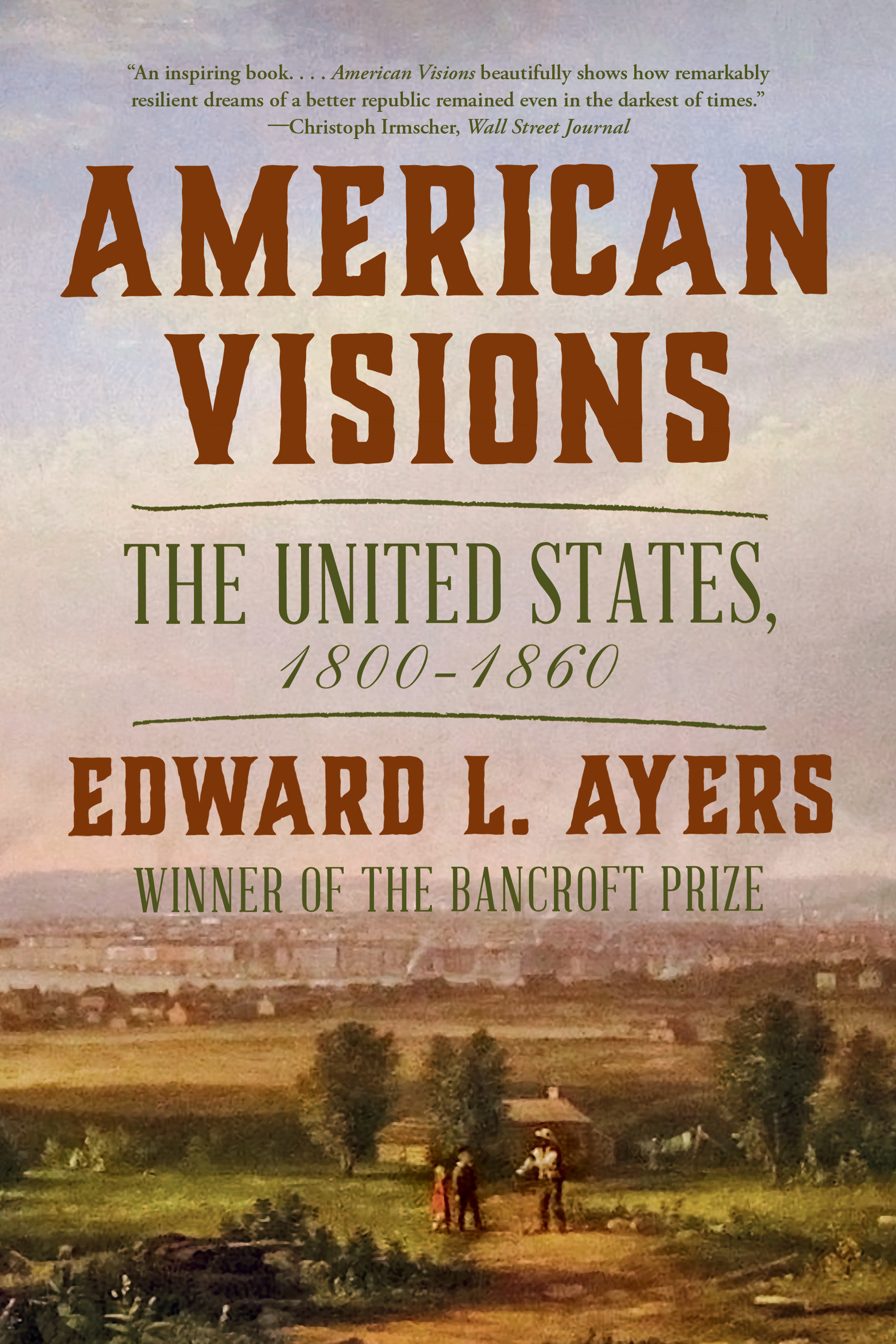
American Visions
Edward L. Ayers · WW Norton
Affinity signal
19th-Century America
Revolutionary America (1775-1800)
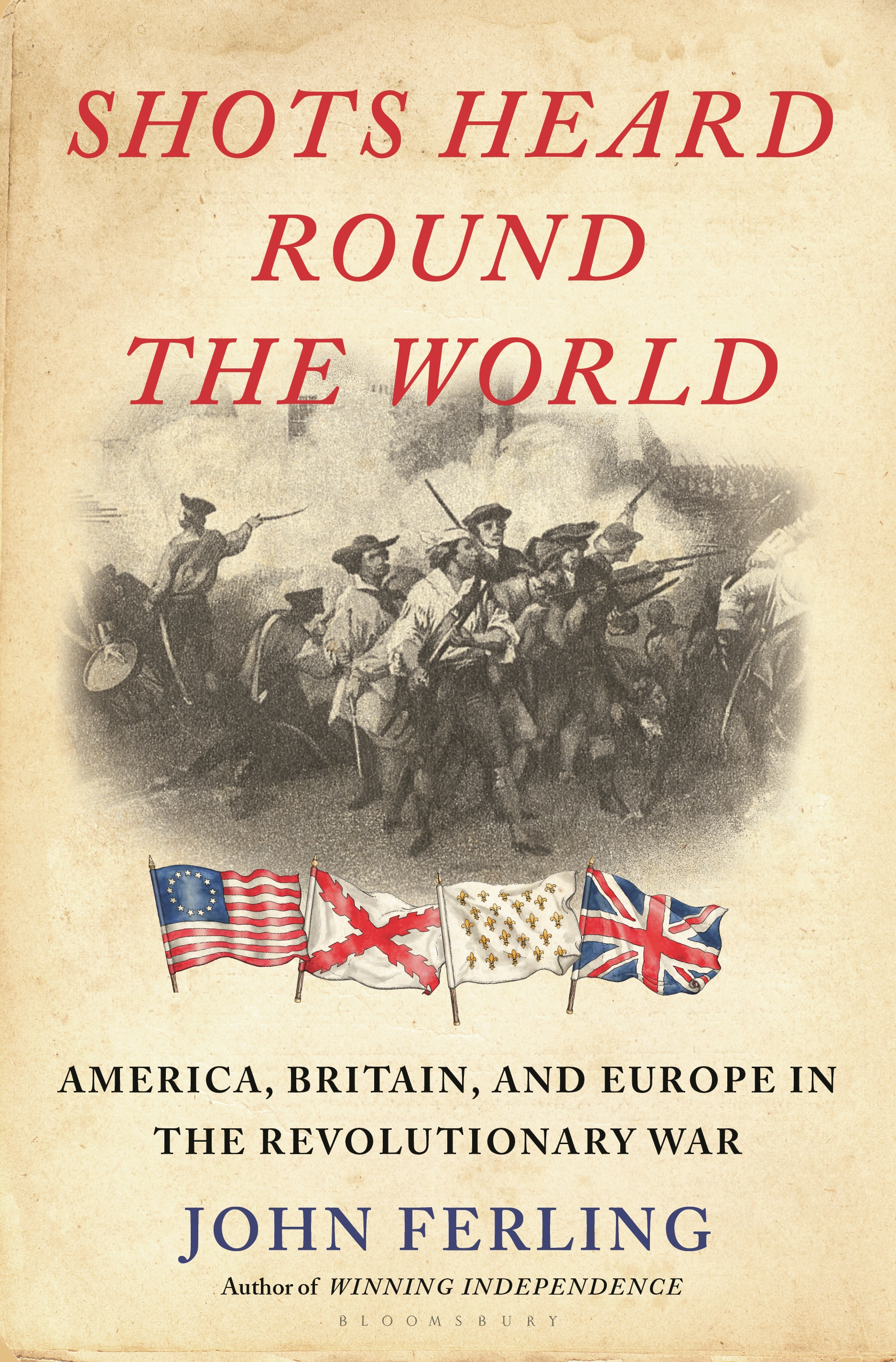
Shots Heard Round the World
John Ferling · Bloomsbury
Affinity signal
Revolutionary America (1775-1800)
Georgian Britain (1714-1837)
The Barbarous Years
Bernard Bailyn, Henry Strozier · Knopf Doubleday Publishing Group
Affinity signal
Colonial America (to 1775)
17th-Century History
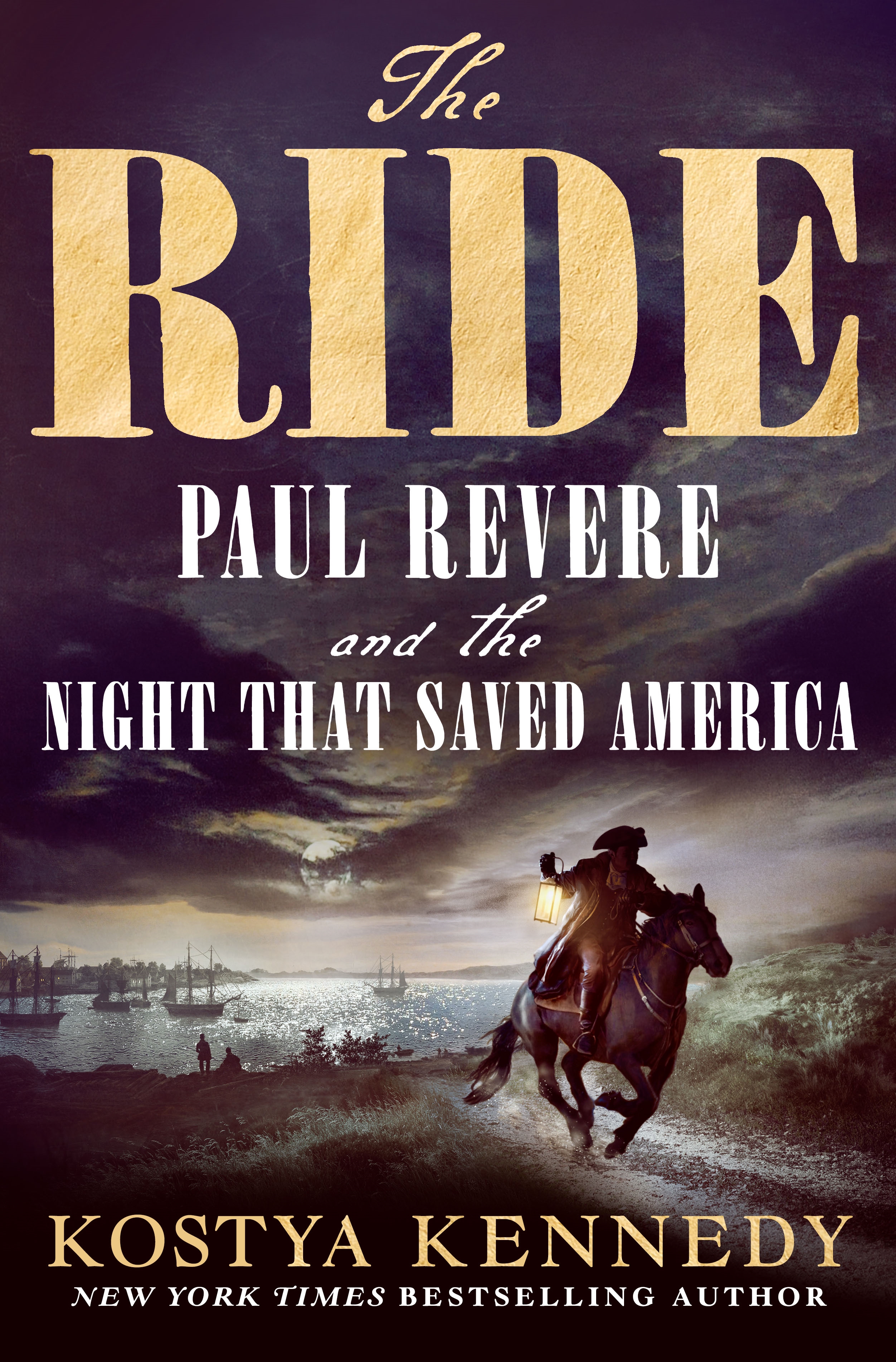
The Ride
Kostya Kennedy · St. Martin's Press
Affinity signal
Revolutionary America (1775-1800)
Colonial America (to 1775)