

Book
Identity Crisis
The Murder, the Mystery, and the Missing DNA
Jefferson Bass
HarperCollins · Print & ebook · June 9, 2015
Reading lane: Serial Killers
Renowned forensic anthropologist Bill Bass—founder of the Body Farm—tackles one of his most baffling cases ever in this real-life spellbinder In 1978, 56-year-old Leoma Patterson left a bar in Clinton, Tennessee, and was never seen again.
At a Glance
Why This Clicks
When Identification Fails
A disputed identification becomes a gripping look at what forensic science can—and cannot—settle.
Come here for
- The uneasy gap between a confession and certainty
- Forensic questions with real human stakes
Expect
- A true-crime narrative shaped by DNA testing
- A case that tests the limits of forensic knowledge
Book Details
- Authors
- Jefferson Bass
- Publisher
- HarperCollins
- Published
- June 9, 2015
- Format
- Print & ebook
- Theme
- Serial Killers · Mass Murder Cases
- Reading lane
- Serial Killers
Affinity
Publisher Categories
Lives in History
Lives in Medicine
Criminals & Outlaws
Criminal Law
Show all 8 publisher categories
Forensic Science & Law
Forensic Psychology
History of Science
True Crime
About This Book
Renowned forensic anthropologist Bill Bass—founder of the Body Farm—tackles one of his most baffling cases ever in this real-life spellbinder In 1978, 56-year-old Leoma Patterson left a bar in Clinton, Tennessee, and was never seen again. Six months later, a female skeleton was found on a wooded lakeshore in a neighboring county. The bones were consistent with those of the missing woman, and one of Patterson's daughters recognized a ring found at the death scene as her mothe...
Read full description
Similar Books

Bone Voyage
Stanley Rhine · University of New Mexico Press
Affinity signal
Physical Anthropology
Serial Killers

The Cases That Haunt US
John E. Douglas, Mark Olshaker · Scribner
Affinity signal
Serial Killers
Mass Murder Cases

Still Life With Bones
Alexa Hagerty · Crown
Affinity signal
Serial Killers
Mass Murder Cases

Blood, Bullets, and Bones
Bridget Heos · HarperCollins
Affinity signal
Chemistry for Teens
Animal Welfare
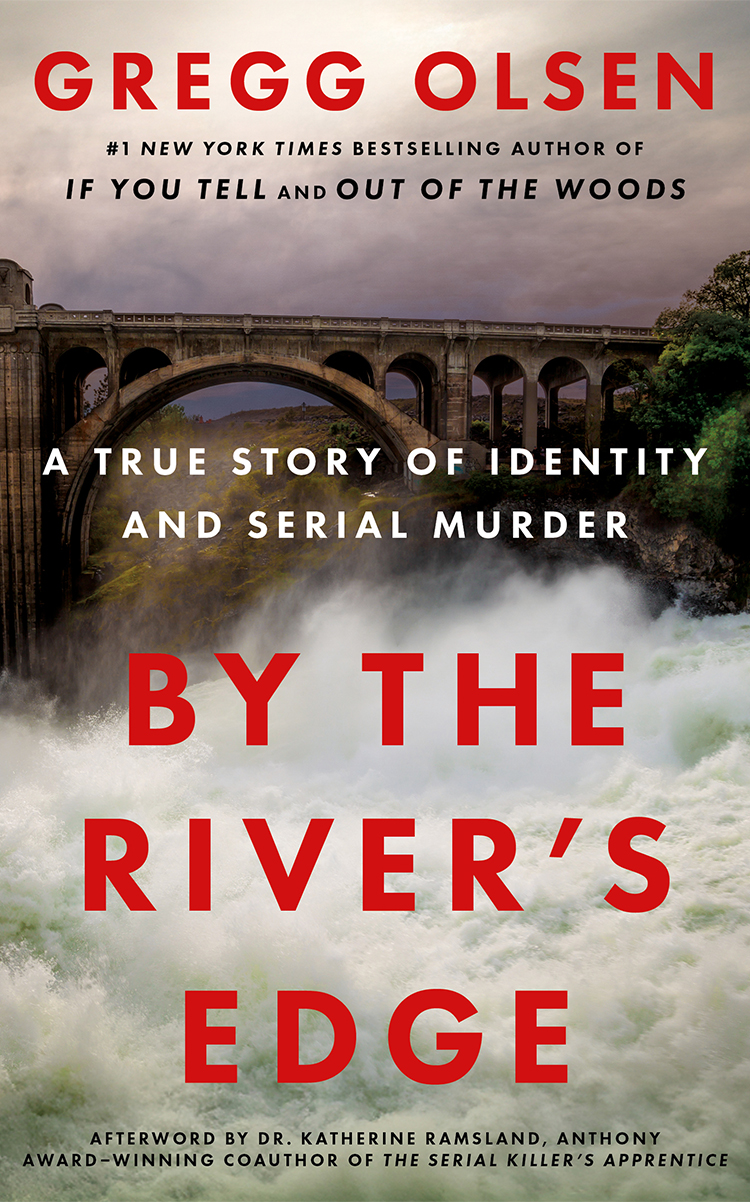
By the River's Edge
Gregg Olsen · Amazon Publishing
Affinity signal
Serial Killers
Mass Murder Cases

Raised by a Serial Killer
April Balascio, Simon & Schuster Audio · Gallery Books
Affinity signal
Serial Killers
Mass Murder Cases

Deadly Little Secrets
Kathryn Casey · HarperCollins
Affinity signal
Serial Killers
Mass Murder Cases
Confessions of the Dead
James Patterson, J. D. Barker · Little, Brown and Company
Affinity signal
Psychological Horror
Supernatural Horror