
How to Read the Bible
A Guide to Scripture, Then and Now
A compact guide for reading scripture with attention, context, and fewer easy assumptions.
Read It Closely
Come here for
- close reading with a guidebook feel
- Bible study that still reads like reading
Expect
- instruction over interpretation theater
- usable in short sittings or at the desk
Where it sits
How strongly BookFrontier reads the book as belonging to each subject.
Nearest books
Matched by our semantic model. Ordered by what its readers also loved.
 The Bible With and Without JesusAmy-Jill Levine, Marc Zvi Brettler65% subject matchShares Old Testament Interpretation
 How to Read the BibleMarc Zvi Brettler72% subject matchShares Old Testament Interpretation
 The Art of Biblical NarrativeRobert Alter57% subject matchShares Old Testament Interpretation and Exegesis & Hermeneutics
 A History of the BibleJohn Barton66% subject match
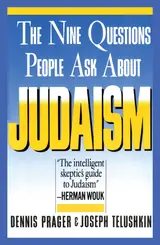 Nine Questions People Ask About JudaismDennis Prager, Joseph Telushkin56% subject match
 The Hebrew BibleRobert Alter62% subject match
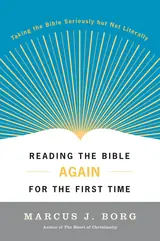 Reading the Bible Again for the First TimeMarcus J. Borg61% subject match
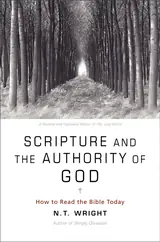 Scripture and the Authority of GodN. T. Wright60% subject match
For younger readers: Adventure Bible Guide
Start with three books, and this one can be the first.
Members get a new edition every morning: a route out from their books to essays, research and talks, with the reason for each.
Sign upAbout this book
James Kugel’s essential introduction and companion to the Bible combines modern scholarship with the wisdom of ancient interpreters for the entire Hebrew Bible.
As soon as it appeared, How to Read the Bible was recognized as a masterwork, “awesome, thrilling” (The New York Times), “wonderfully interesting, extremely well presented” (The Washington Post), and “a tour de force...a stunning narrative” (Publishers Weekly).
Continue reading
Now, this classic remains the clearest, most inviting and readable guide to the Hebrew Bible around—and a profound meditation on the effect that modern biblical scholarship has had on traditional belief.
Moving chapter by chapter, Harvard professor James Kugel covers the Bible’s most significant stories—the Creation of the world, Adam and Eve, Cain and Abel, Noah and the flood, Abraham and Sarah, Jacob and his wives, Moses and the exodus, David’s mighty kingdom, plus the writings of Isaiah, Jeremiah, and the other prophets, and on to the Babylonian conquest and the eventual return to Zion.
Throughout, Kugel contrasts the way modern scholars understand these events with the way Christians and Jews have traditionally understood them. The latter is not, Kugel shows, a naïve reading; rather, it is the product of a school of sophisticated interpreters who flourished toward the end of the biblical period. These highly ideological readers sought to put their own spin on texts that had been around for centuries, utterly transforming them in the process. Their interpretations became what the Bible meant for centuries and centuries—until modern scholarship came along. The question that this book ultimately asks is: What now? As one reviewer wrote, Kugel’s answer provides “a contemporary model of how to read Sacred Scripture amidst the oppositional pulls of modern scholarship and tradition.”
Publisher details
Publisher categories
- Religion & Spirituality
- Biblical Studies
- Old Testament Biography
- Authors
- James L. Kugel
- Publisher
- Free Press
- Published
- October 21, 2008
- Format
- Print & ebook
- Reading lane
- Religion & Spirituality