
How the Other Half Lives
A landmark of photojournalism, this account brings the realities of 1880s New York slums into view.
- Themes
- Urban poverty, Immigrant hardship, Social reform
Witnessing the City
Come here for
- A close look at urban poverty through an early work of photojournalism
- The history of journalism meeting social reform
Expect
- A stark record of filth, disease, exploitation, and overcrowding
- A view into the conditions that helped put tenement reform on the agenda
Where it sits
How strongly BookFrontier reads the book as belonging to each subject.
Nearest books
Matched by our semantic model. Ordered by what its readers also loved.
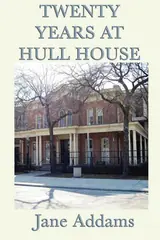 20 Years at Hull HouseJane Addams40% subject matchShares Urban Life
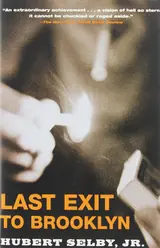 Last Exit to BrooklynHubert Selby46% subject match
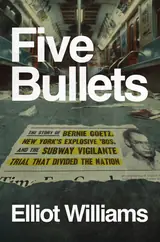 Five BulletsElliot Williams40% subject match
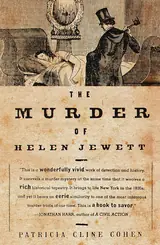 The Murder of Helen JewettPatricia Cline Cohen50% subject match
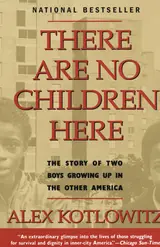 There Are No Children HereAlex Kotlowitz49% subject matchShares Poverty & Homelessness and Urban Life
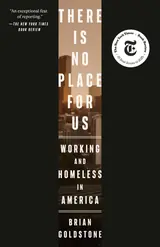 There Is No Place for UsBrian Goldstone44% subject matchShares Poverty & Homelessness and Urban Life
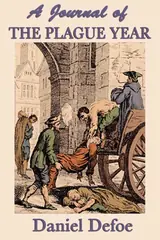 A Journal of the Plague YearDaniel Defoe40% subject match
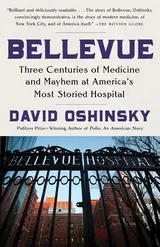 BellevueDavid Oshinsky42% subject match
For younger readers: Kids at Work, Charles Dickens and the Street Children of London, Migrant Mother
Start with three books, and this one can be the first.
Members get a new edition every morning: a route out from their books to essays, research and talks, with the reason for each.
Sign upAbout this book
How the Other Half Lives was a pioneering work of photojournalism by Jacob Riis, documenting the squalid living conditions in New York City slums in the 1880s. It served as a basis for future muckraking journalism by exposing the slums to New York City's upper and middle class. How The Other Half Lives quickly became a landmark in the annals of social reform.
Continue reading
Riis documented the filth, disease, exploitation, and overcrowding that characterized the experience of more than one million immigrants. He helped push tenement reform to the front of New York's political agenda, and prompted then-Police Commissioner Theodore Roosevelt to close down the police-run poor houses. Roosevelt later called Riis "the most useful citizen of New York". Riis's idea inspired Jack London to write a similar exposé on London's East End, called People of the Abyss.
Publisher details
Publisher categories
- 19th-Century America
- Authors
- Jacob A. Riis
- Publisher
- Start Publishing LLC
- Published
- July 18, 2013
- Format
- Print & ebook
- Reading lane
- 19th-Century America