
How Fascism Works
The Politics of US and Them
A sharp look at how political language turns identity into a weapon.
The Usual Tricks
Come here for
- clear-eyed political analysis
- a framework for spotting US-and-them rhetoric
Expect
- careful argument, not slogan-chasing
- usable concepts for thinking about public discourse
Where it sits
How strongly BookFrontier reads the book as belonging to each subject.
Nearest books
Matched by our semantic model. Ordered by what its readers also loved.
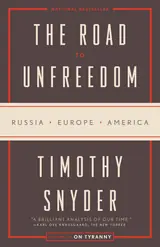 The Road to UnfreedomTimothy Snyder65% subject matchShares Fascism & Totalitarianism
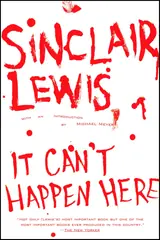 It Can't Happen HereSinclair Lewis55% subject match
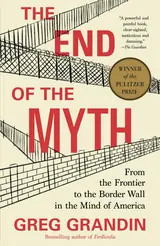 The End of the MythGreg Grandin55% subject match
For younger readers: The Young Person's Illustrated Guide to American Fascism, Strongman, Fault Lines in the Constitution
Start with three books, and this one can be the first.
Members get a new edition every morning: a route out from their books to essays, research and talks, with the reason for each.
Sign upAbout this book
NEW YORK TIMES BESTSELLER • “No single book is as relevant to the present moment.”—Claudia Rankine, author of Citizen
“With unsettling insight and disturbing clarity, How Fascism Works is an essential guidebook to our current national dilemma of democracy vs. authoritarianism.”—Jelani Cobb, New Yorker staff writer
A Yale philosopher identifies the ten pillars of fascist politics, and charts their horrifying rise and deep history—now with a new preface.
Continue reading
As a scholar of philosophy and propaganda and the child of refugees of WWII Europe, Jason Stanley has long understood that democratic societies, including the United States, can be vulnerable to fascism. In How Fascism Works, he identifies ten pillars of fascist politics—an appeal to the mythic past, propaganda, anti-intellectualism, unreality, hierarchy, victimhood, law and order, sexual anxiety, favoring “the heartland,” and a dismantling of public goods and unions—that amount to an urgent diagnosis of the tactics right-wing politicians use to break down democracies and a critical lens on the current moment.
Stanley knits together reflections on history, philosophy, sociology, and critical race theory with stories from contemporary Hungary, Poland, India, Myanmar, and the United States, among other nations, making clear the immense dangers of language and beliefs that separate people into an “us” and a “them.” By uncovering disturbing patterns that are as prevalent today as ever, Stanley reveals that the stuff of politics—rhetoric and myth—can become policy and reality all too quickly. Only by recognizing them, he argues, can we begin to resist their most harmful effects and return to democratic ideals.
Publisher details
Publisher categories
- 20th-Century History
- Political Philosophy
- Fascism & Totalitarianism
- Authors
- Jason Stanley
- Publisher
- Random House Publishing Group
- Published
- May 26, 2020
- Format
- Print & ebook
- Reading lane
- 20th-Century History