

Book
House of War
The Pentagon and the Disastrous Rise of American Power
James Carroll
HarperCollins · Print & ebook · June 4, 2007
Reading lane: Nuclear Warfare
"A masterful achievement...[Carroll's] prose is elegant, his viewpoint bold." —Howard Zinn, author of The People's History of the United States "One cannot understand the impact of the Pentagon on US foreign policy. . . without reading James Carroll's House of War ." —Lawrence Korb, former Undersecretary of Defence under Ronald Reagan From the National Book Award–winning author of An American Requiem and Constantine's Sword comes a sweeping yet intimate look at the Pentagon and its vast—often hidden—impact on America.
At a Glance
Why This Clicks
Power Under Scrutiny
A sweeping, personal history asks how the Pentagon came to shape American power beyond ordinary control.
Come here for
- A sharp account of military power, nuclear buildup, and shifting enemies
- History told with personal stakes and a polemical edge
Expect
- A broad sweep from World War II to Iraq
- A forceful argument grounded in research and insider interviews
Book Details
- Authors
- James Carroll
- Publisher
- HarperCollins
- Published
- June 4, 2007
- Format
- Print & ebook
- Theme
- Nuclear Warfare · Diplomacy
- Reading lane
- Nuclear Warfare
Affinity
Publisher Categories
Military History
Military Strategy
World War II History
U.S. Military History
Show all 8 publisher categories
20th-Century America
Security Studies
The Presidency & Executive
Military Policy & Defense
About This Book
"A masterful achievement...[Carroll's] prose is elegant, his viewpoint bold." —Howard Zinn, author of The People's History of the United States "One cannot understand the impact of the Pentagon on US foreign policy. . . without reading James Carroll's House of War ." —Lawrence Korb, former Undersecretary of Defence under Ronald Reagan From the National Book Award–winning author of An American Requiem and Constantine's Sword comes a sweeping yet intimate look at the Pentagon...
Read full description
Similar Books

The Pentagon's Brain
Annie Jacobsen, Little, Brown & Company · Little, Brown and Company
Affinity signal
Chemical & Biological Warfare
Nuclear Warfare
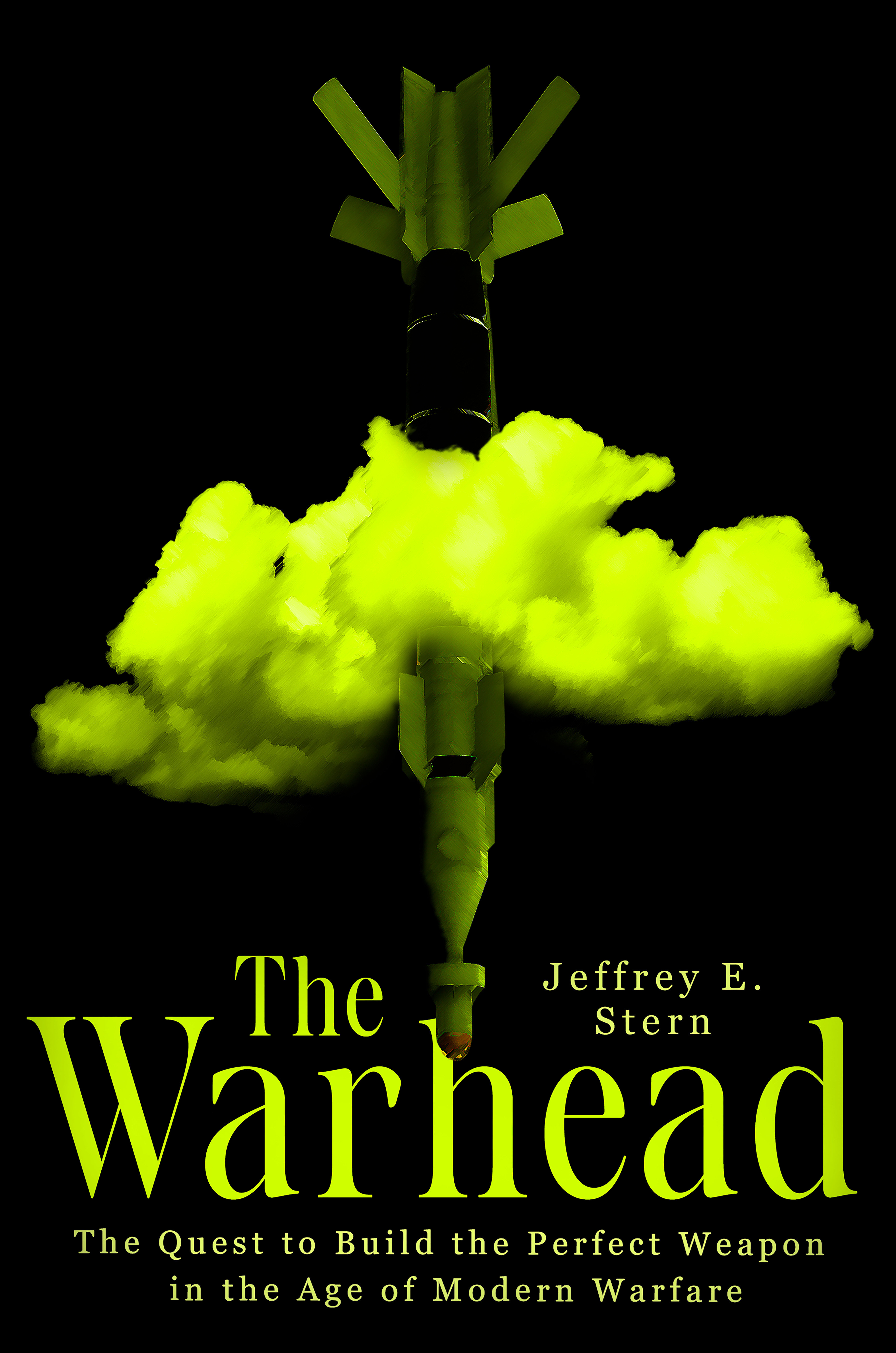
The Warhead
Jeffrey E. Stern · Penguin Publishing Group
Affinity signal
Weapons Through History
Nuclear Warfare

Bring the War Home
Kathleen Belew · WW Norton
Affinity signal
Vietnam War History
21st-Century America

To Start a War
Robert Draper · Penguin Publishing Group
Affinity signal
Iraq War (2003-2011)
Iraq History

America's War for the Greater Middle East
Andrew J. Bacevich · Random House Publishing Group
Affinity signal
Iraq History
Iraq War (2003-2011)

Command and Control
Eric Schlosser, Scott Brick · Penguin Publishing Group
Affinity signal
Nuclear Warfare
Chemical & Biological Warfare
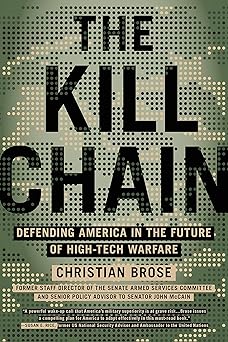
The Kill Chain
Christian Brose · Grand Central Publishing
Affinity signal
Diplomacy
Military Thrillers

Looking for the Good War
Elizabeth D Samet · Farrar Straus & Giroux
Affinity signal
Vietnam War History
U.S. Military History