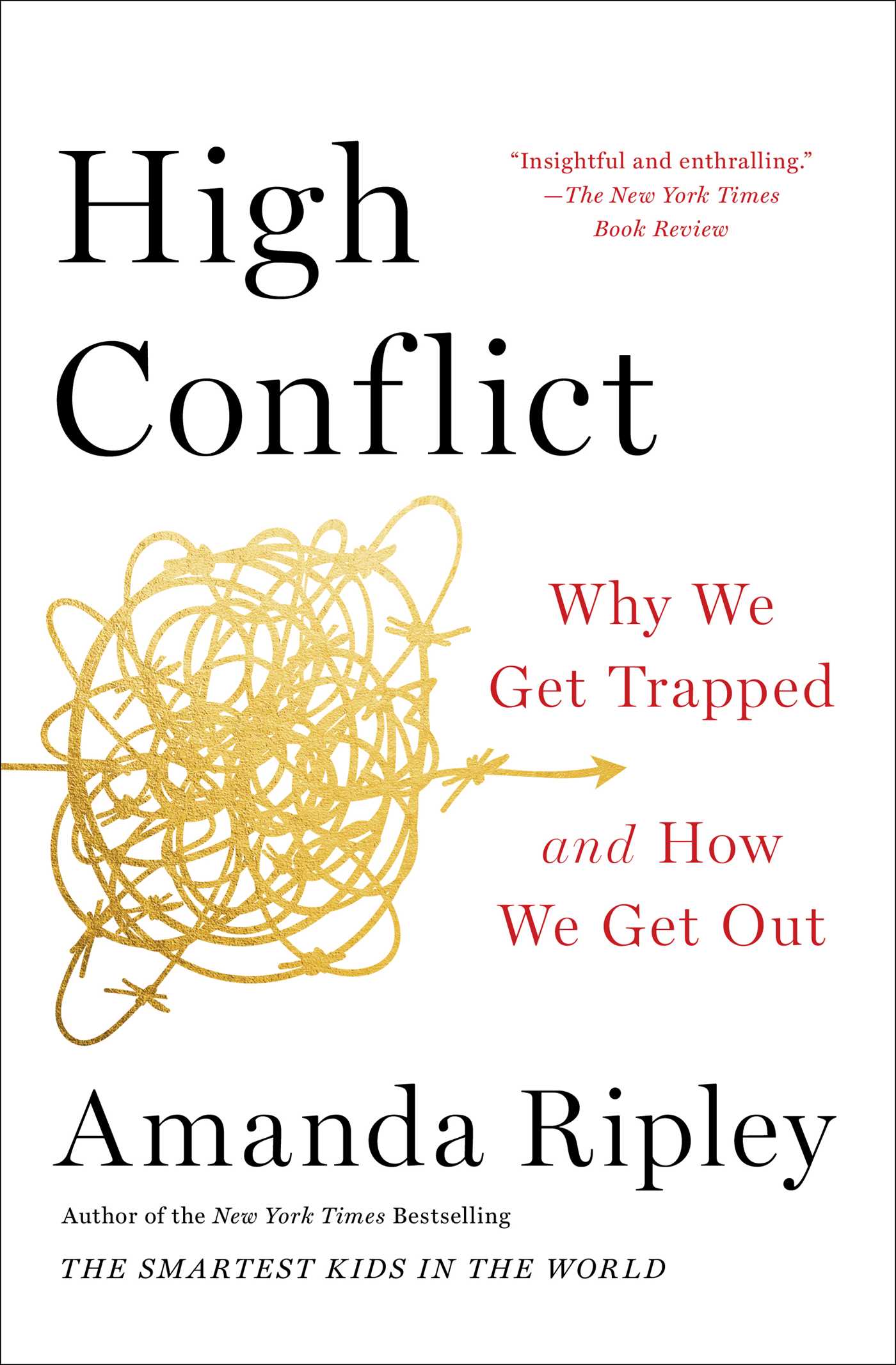
High Conflict
Why We Get Trapped and How We Get Out
A clear-eyed look at how conflict turns into feud—and how people find their way back.
When Disagreement Hardens
Come here for
- A sharper distinction between useful friction and us-versus-them feuds
- Stories spanning political, personal, and community conflicts
Expect
- An account of how certainty and blame can deepen division
- A hopeful focus on restoring curiosity without abandoning conviction
Where it sits
How strongly BookFrontier reads the book as belonging to each subject.
Nearest books
Matched by our semantic model. Ordered by what its readers also loved. Most of these share its genre: Social Psychology.
 How Minds ChangeDavid McRaney62% subject match
 The Chaos MachineMax Fisher58% subject match
 The UnthinkableAmanda Ripley59% subject match
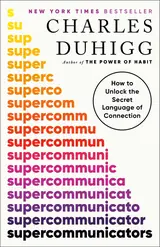 SupercommunicatorsCharles Duhigg59% subject match
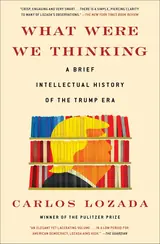 What Were We ThinkingCarlos Lozada55% subject match
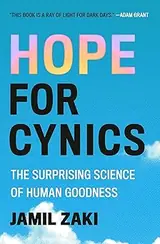 Hope for CynicsJamil Zaki57% subject match
For younger readers: Better Than We Found It: Conversations to Help Save the World
Start with three books, and this one can be the first.
Members get a new edition every morning: a route out from their books to essays, research and talks, with the reason for each.
Sign upAbout this book
When we are baffled by the insanity of the “other side”—in our politics, at work, or at home—it’s because we aren’t seeing how the conflict itself has taken over.
That’s what “high conflict” does. It’s the invisible hand of our time. And it’s different from the useful friction of healthy conflict. That’s good conflict, and it’s a necessary force that pushes us to be better people.
Continue reading
High conflict is what happens when discord distills into a good-versus-evil kind of feud, the kind with an us and a them. In this state, the brain behaves differently. We feel increasingly certain of our own superiority, and everything we do to try to end the conflict, usually makes it worse. Eventually, we can start to mimic the behavior of our adversaries, harming what we hold most dear.
In this “compulsively readable” (Evan Osnos, National Book Award-winning author) book, New York Times bestselling author and award-winning journalist Amanda Ripley investigates how good people get captured by high conflict—and how they break free.
Our journey begins in California, where a world-renowned conflict expert struggles to extract himself from a political feud. Then we meet a Chicago gang leader who dedicates his life to a vendetta—only to realize, years later, that the story he’d told himself about the conflict was not quite true. Next, we travel to Colombia, to find out whether thousands of people can be nudged out of high conflict at scale. Finally, we return to America to see what happens when a group of liberal Manhattan Jews and conservative Michigan corrections officers choose to stay in each other’s homes in order to understand one another better, even as they continue to disagree.
All these people, in dramatically different situations, were drawn into high conflict by similar forces, including conflict entrepreneurs, humiliation, and false binaries. But ultimately, all of them found ways to transform high conflict into good conflict, the kind that made them better people. They rehumanized and recategorized their opponents, and they revived curiosity and wonder, even as they continued to fight for what they knew was right.
People do escape high conflict. Individuals—even entire communities—can short-circuit the feedback loops of outrage and blame, if they want to. This is an “insightful and enthralling” (The New York Times Book Review) book—and a mind-opening new way to think about conflict that will transform how we move through the world.
Publisher details
Publisher categories
- Decision-Making & Problem Solving
- Anger Management
- Relationships
- Authors
- Amanda Ripley
- Publisher
- Simon & Schuster
- Published
- April 5, 2022
- Format
- Print & ebook
- Reading lane
- Decision-Making & Problem Solving