

Book
Greater Portland
Urban Life and Landscape in the Pacific Northwest
Carl Abbott
University of Pennsylvania Press, Inc. · Print & ebook · April 19, 2001
Reading lane: Pacific Northwest History
Selected by Choice magazine as an Outstanding Academic Title It has been called one of the nation's most livable regions, ranked among the best managed cities in America, hailed as a top spot to work, and favored as a great place to do business, enjoy the arts, pursue outdoor recreation, and make one's home.
At a Glance
Who It's For
Book Details
- Authors
- Carl Abbott
- Publisher
- University of Pennsylvania Press, Inc.
- Published
- April 19, 2001
- Format
- Print & ebook
- Theme
- Pacific Northwest History · Urban Life
- Reading lane
- Pacific Northwest History
Affinity
Publisher Categories
Human Geography
Urban Life
About This Book
Selected by Choice magazine as an Outstanding Academic Title It has been called one of the nation's most livable regions, ranked among the best managed cities in America, hailed as a top spot to work, and favored as a great place to do business, enjoy the arts, pursue outdoor recreation, and make one's home. Indeed, years of cooperative urban planning between developers and those interested in ecology and habitability have transformed Portland from a provincial western city...
Read full description
Similar Books

Portland in Three Centuries
Carl Abbott · Oregon State University Press
Affinity signal
Pacific Northwest History
Western U.S. History

Portland Noir
Kevin Sampsell · WW Norton
Affinity signal
Mystery Anthologies
Black Mystery

Exceptional Mountains
O. Alan Weltzien · Nebraska
Affinity signal
Pacific Northwest History
Western U.S. History

Hidden History of Portland, Oregon
John D. Chandler, J.D. Chandler · The History Press
Affinity signal
Reader-facing shelf signals are still being refined for this title.

Ancient Places
Jack Nisbet · Blue Star Press
Affinity signal
Pacific Northwest History
Pacific West Travel (AK, CA, HI, OR, WA)
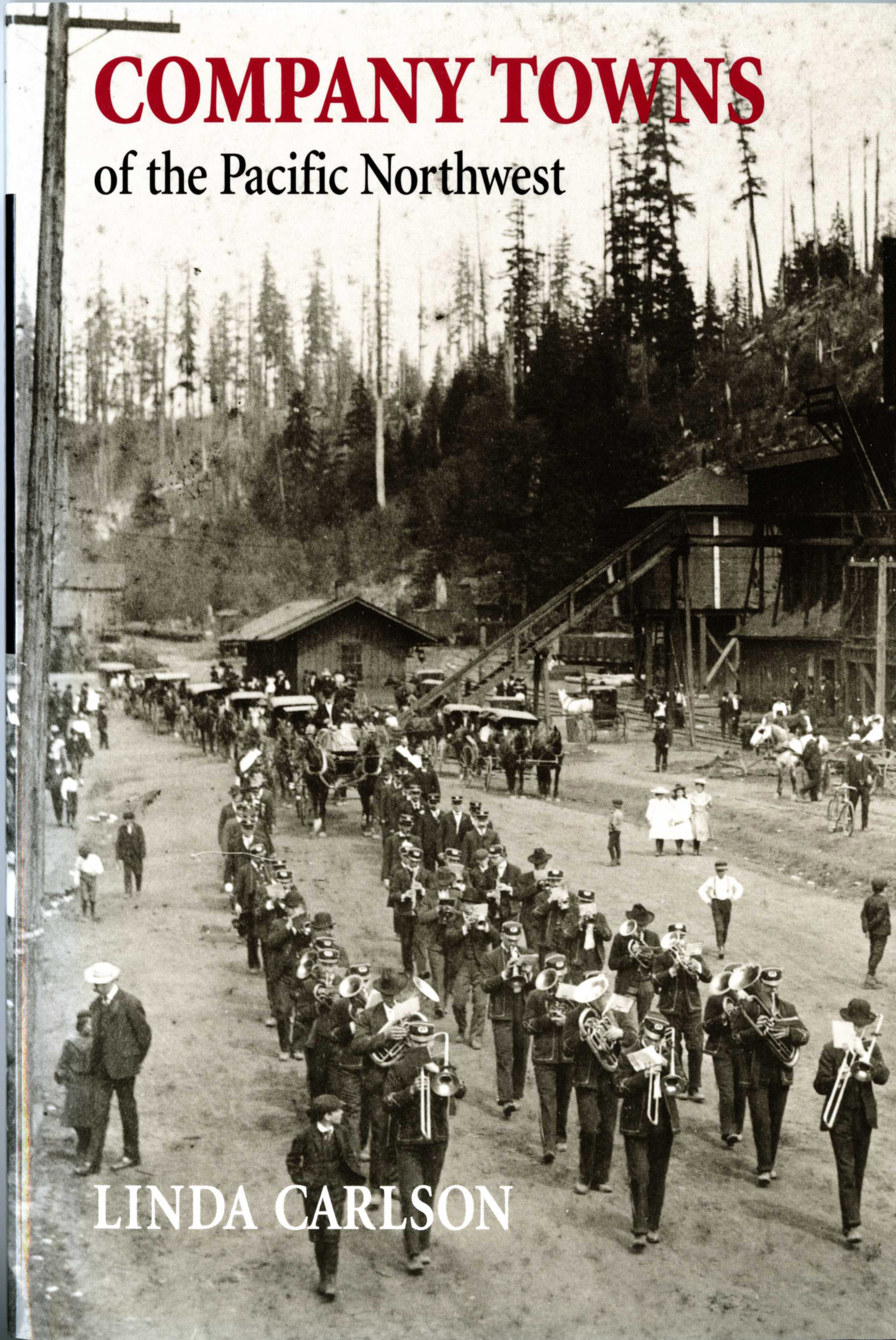
Company Towns of the Pacific Northwest
Linda Carlson · University of Washington Press
Affinity signal
Pacific Northwest History
Western U.S. History

Facing the World
Christopher P. Foss · Oregon State University Press
Affinity signal
Pacific Northwest History
Western U.S. History