
Getting Started in Technical Analysis
Wiley · Print & ebook · February 4, 1999
A Finance pick for readers exploring Getting Started in Technical Analysis.
We earn from qualifying purchases.
- Who it’s for
- A straightforward introduction to reading price activity and using technical analysis in trading decisions.
- Genres
- Investment & Trading Strategies, Stocks, Investing (Personal)
- Published
- Wiley, February 4, 1999
Nearest books
Matched by what the books are about, then ordered by what their readers also loved. Most of these share its genre: Investment & Trading Strategies.
 The New Market WizardsJack D. Schwager53% match
 Trading in the ZoneMark Douglas58% matchAlso shares Investing (Personal)
 Options Trading for DummiesJoe Duarte MD, Terrence Kidd48% matchAlso shares Investing (Personal)
 Reminiscences of a Stock OperatorEdwin Lefèvre50% matchAlso shares Stocks
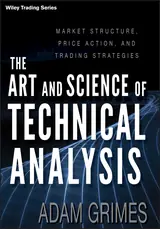 The Art and Science of Technical AnalysisAdam Grimes, Adam H. Grimes73% matchAlso shares Stocks and Investing (Personal)
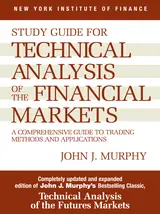 Study Guide to Technical Analysis of the Financial MarketsJohn J. Murphy72% matchAlso shares Stocks
 Study Guide to Accompany Fundamental AnalysisJack D. Schwager, Steven C. Turner71% match
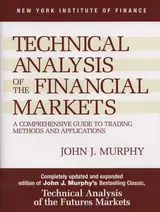 Technical Analysis of the Financial MarketsJohn J. Murphy68% matchAlso shares Stocks
Start with three books, and this one can be the first.
Members get a new edition every morning: a route out from their books to essays, research and talks, with the reason for each.
Join the waitlistAbout this book
Revered by many, reviled by some, technical analysis is the art and science of deciphering price activity to better understand market behavior and identify trading opportunities. In this accessible guide, Jack Schwager-perhaps the most recognized and respected name in the field-demystifies technical analysis for beginning investors, clearly explaining such basics as trends, trading ranges, chart patterns, stops, entry, and exit and pyramiding approaches.
Continue reading
The book's numerous examples and clear, simple explanations provide a solid framework for using technical analysis to make better, more informed investment decisions and as the basis for mechanical trading systems. Along with Schwager's invaluable trading rules and market observations culled from years of real-world trading experience, Getting Started in Technical Analysis offers in-depth coverage of: * Types of charts-bar, close-only, point-and-figure, candlestick. * Chart patterns-one-day, continuation, top and bottom formations, the importance of failed signals. * Trading systems-trend-following, counter-trend, pattern recognition. * Charting and analysis software-price data issues, time frame/trading style considerations, software research. * he planned trading approach-trading philosophy, choosing markets, risk control strategies, establishing a trading routine.
Reading the Charts
A straightforward introduction to reading price activity and using technical analysis in trading decisions.
Come here for
- Clear explanations of charts, patterns, and trading systems
- A practical lens on price action and market behavior
Expect
- Coverage from chart types to entry, exit, and risk control
- Trading rules and examples grounded in real-world experience
Where it sits
| Investment & Trading Strategies | 100% |
|---|---|
| Stocks | 32% |
| Investing (Personal) | 26% |
Percentages are BookFrontier’s reading of the book.
Publisher categories
- Investing
- Futures
- Investment & Trading Strategies
- Authors
- Jack D. Schwager
- Publisher
- Wiley
- Published
- February 4, 1999
- Format
- Print & ebook
- Reading lane
- Investing