

Book
Escaping Salem
The Other Witch Hunt of 1692
Richard Godbeer
Oxford University Press · Print & ebook · May 30, 2005
Reading lane: New England History
The Salem witch hunt of 1692 is among the most infamous events in early American history; however, it was not the only such episode to occur in New England that year.
At a Glance
Why This Clicks
A Sharper Angle
A clear, compact take on a less-told corner of Salem-era history.
Come here for
- 1692 Salem, minus the familiar overwork
- Accessible colonial-era context
Expect
- Insightful explanation
- Narrative momentum without heaviness
Book Details
- Authors
- Richard Godbeer
- Publisher
- Oxford University Press
- Published
- May 30, 2005
- Format
- Print & ebook
- Theme
- New England History · Colonial America (to 1775)
- Reading lane
- New England History
Affinity
Publisher Categories
Colonial America (to 1775)
About This Book
The Salem witch hunt of 1692 is among the most infamous events in early American history; however, it was not the only such episode to occur in New England that year. Escaping Salem reconstructs the "other witch hunt" of 1692 that took place in Stamford, Connecticut. Concise and accessible, the book takes students on a revealing journey into the mental world of early America, shattering the stereotype of early New Englanders as quick to accuse and condemn. Drawing on eyewitn...
Read full description
Similar Books

The Witches
Stacy Schiff · Little, Brown and Company
Affinity signal
New England History
Colonial America (to 1775)

Killing the Witches
Bill O'Reilly, Martin Dugard · St. Martin's Press
Affinity signal
New England History
Colonial America (to 1775)

Witchfinders
Malcolm Gaskill · WW Norton
Affinity signal
17th-Century History
Gothic Romance
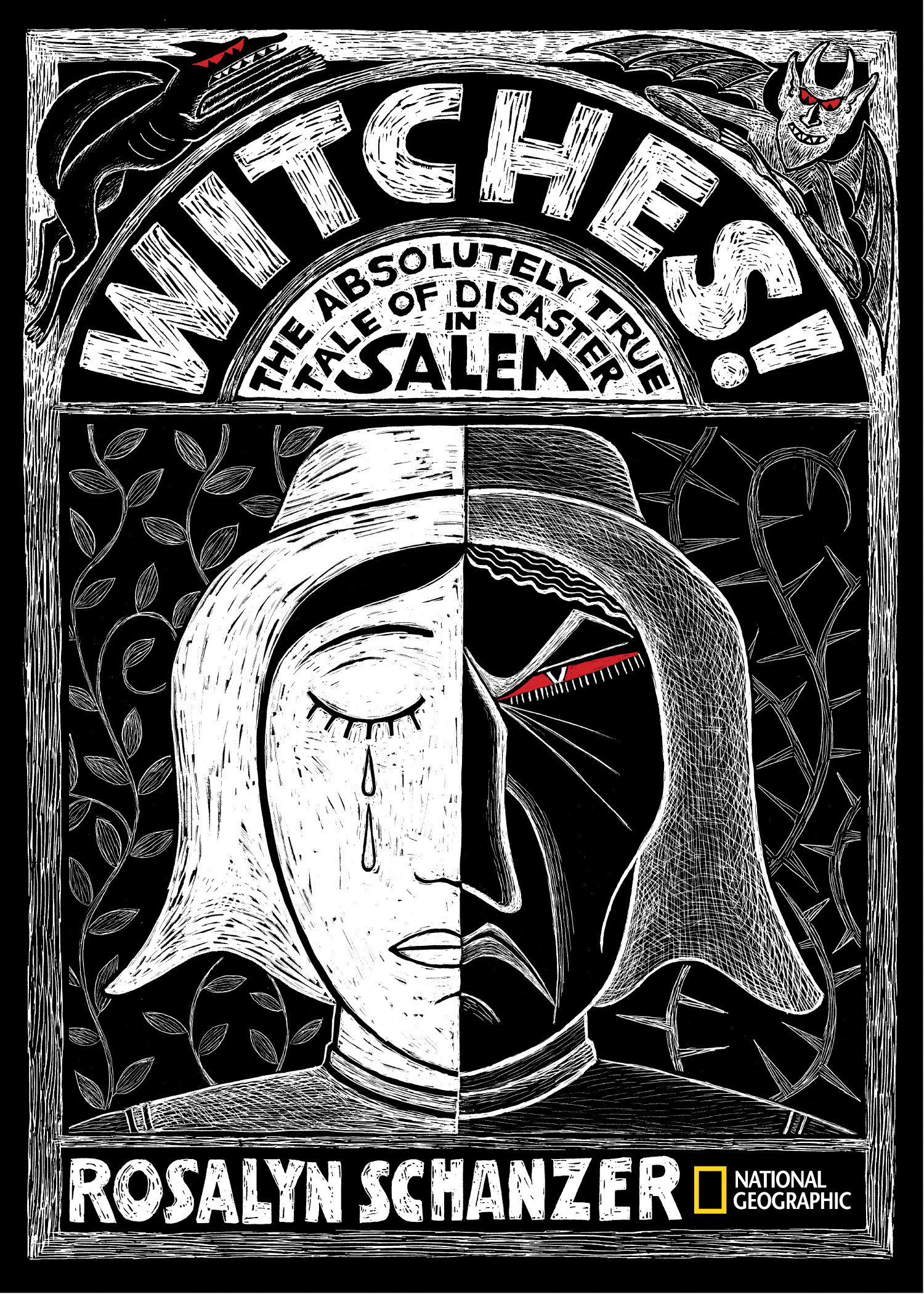
Witches
Rosalyn Schanzer · Disney - RHCB
Affinity signal
Wizards & Witches for Teens
Colonial & Revolutionary U.S.
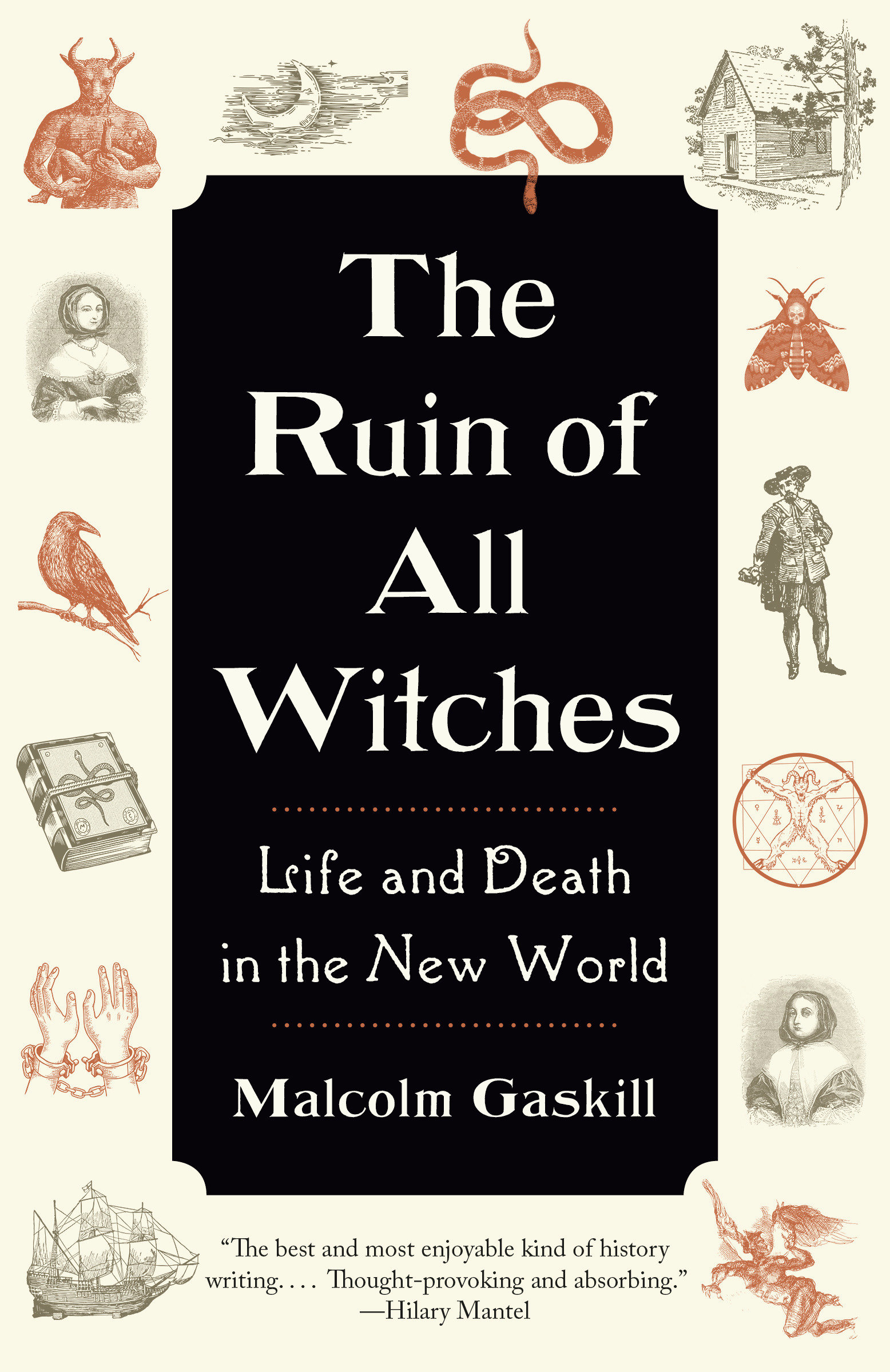
The Ruin of All Witches
Malcolm Gaskill, Kristin Atherton · Knopf Doubleday Publishing Group
Affinity signal
Gothic Romance
Witch Romance

The Discoverie of Witchcraft
Reginald Scot · Dover Publications
Affinity signal
16th-Century History
Celtic Spirituality

The Witch of Blackbird Pond
Elizabeth George Speare · HarperCollins
Affinity signal
Colonial & Revolutionary YA
Wizards & Witches for Teens

The Last Witchfinder
James Morrow · HarperCollins
Affinity signal
Gothic Romance
Historical Fantasy