

Book
Cutting Into the Meatpacking Line
Workers and Change in the Rural Midwest
Deborah Fink
The University of North Carolina Press · Print & ebook · April 6, 1998
Reading lane: Rural Life
The nostalgic vision of a rural Midwest populated by independent family farmers hides the reality that rural wage labor has been integral to the region’s development, says Deborah Fink.
At a Glance
Who It's For
Book Details
- Authors
- Deborah Fink
- Publisher
- The University of North Carolina Press
- Published
- April 6, 1998
- Format
- Print & ebook
- Theme
- Rural Life · Agribusiness
- Reading lane
- Rural Life
Affinity
Publisher Categories
Rural Life
About This Book
The nostalgic vision of a rural Midwest populated by independent family farmers hides the reality that rural wage labor has been integral to the region’s development, says Deborah Fink. Focusing on the porkpacking industry in Iowa, Fink investigates the experience of the rural working class and highlights its significance in shaping the state’s economic, political, and social contours. Fink draws both on interviews and on her own firsthand experience working on the productio...
Read full description
Similar Books

Porkopolis
Alex Blanchette · Duke University Press
Affinity signal
Agribusiness
Rural Life
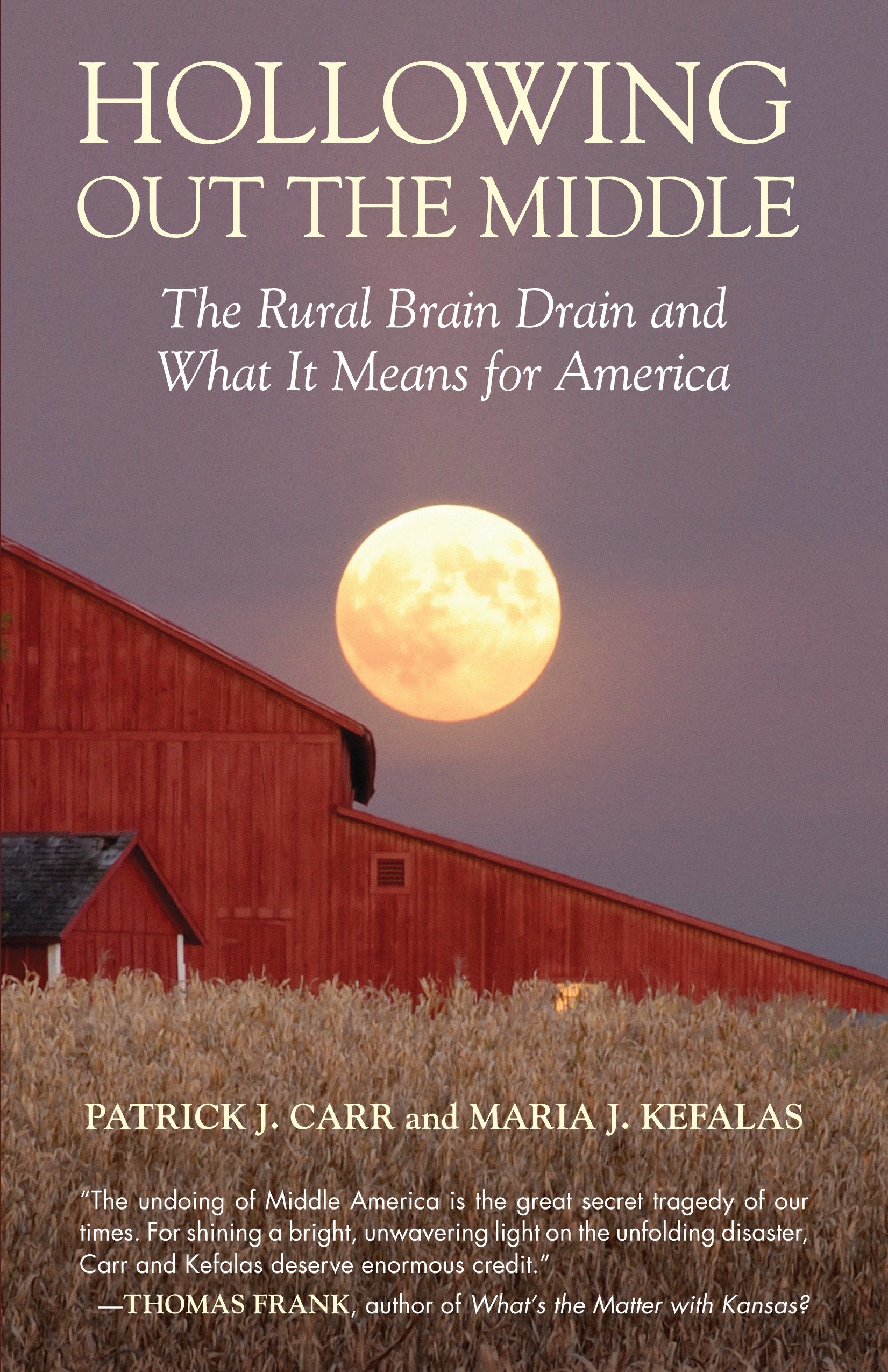
Hollowing Out the Middle
Patrick J. Carr, Maria J. Kefalas · Beacon Press
Affinity signal
Rural Life
Urban Life

Capitalist Pigs
J. L. Anderson · West Virginia University Press
Affinity signal
Capitalism & Markets
Agribusiness

Land Rich, Cash Poor
Brian Reisinger, Impact Audio · Skyhorse
Affinity signal
Rural Life
Agribusiness

Feeding a Divided America
Gilles Stockton · University of New Mexico Press
Affinity signal
Agribusiness
Rural Life