
Cracking the Hard-Boiled Detective
A Critical History From the 1920s to the Present
Lewis D. Moore traces the hard-boiled detective from literary antecedents through early twenty-first-century novels.
Hard-Boiled Detective
Come here for
- Three periods of change in the detective character
- Themes of violence, love and sexuality, friendship, place, and work
Expect
- Analysis of the Early, Transitional, and Modern periods
- Writers discussed include Hammett, Chandler, Paretsky, and Grafton
Where it sits
How strongly BookFrontier reads the book as belonging to each subject.
Nearest books
Matched by our semantic model. Ordered by what its readers also loved.
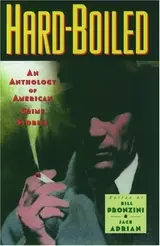 HardboiledBill Pronzini, Jack Adrian79% subject match
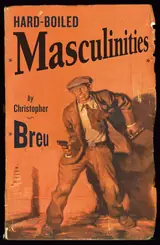 Hard-Boiled MasculinitiesChristopher Breu68% subject matchShares Mystery & Crime Crit
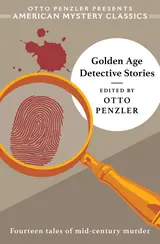 Golden Age Detective StoriesOtto Penzler62% subject match
For younger readers: Blood, Bullets, and Bones
Start with three books, and this one can be the first.
Members get a new edition every morning: a route out from their books to essays, research and talks, with the reason for each.
Sign upAbout this book
The hard-boiled private detective is among the most recognizable characters in popular fiction since the 1920s--a tough product of a violent world, in which police forces are inadequate and people with money can choose private help when facing threatening circumstances. Though a relatively recent arrival, the hard-boiled detective has undergone steady development and assumed diverse forms.
Continue reading
This critical study analyzes the character of the hard-boiled detective, from literary antecedents through the early 21st century. It follows change in the novels through three main periods: the Early (roughly 1927-1955), during which the character was defined by such writers as Carroll John Daly, Dashiell Hammett and Raymond Chandler; the Transitional, evident by 1964 in the works of John D. MacDonald and Michael Collins, and continuing to around 1977 via Joseph Hansen, Bill Pronzini and others; and the Modern, since the late 1970s, during which such writers as Loren D. Estleman, Liza Cody, Sara Paretsky, Sue Grafton and many others have expanded the genre and the detective character. Themes such as violence, love and sexuality, friendship, space and place, and work are examined throughout the text.
Instructors considering this book for use in a course may request an examination copy here.
Publisher details
- Authors
- Lewis D. Moore
- Publisher
- McFarland & Company, Inc., Publishers
- Published
- March 3, 2006
- Format
- Print & ebook