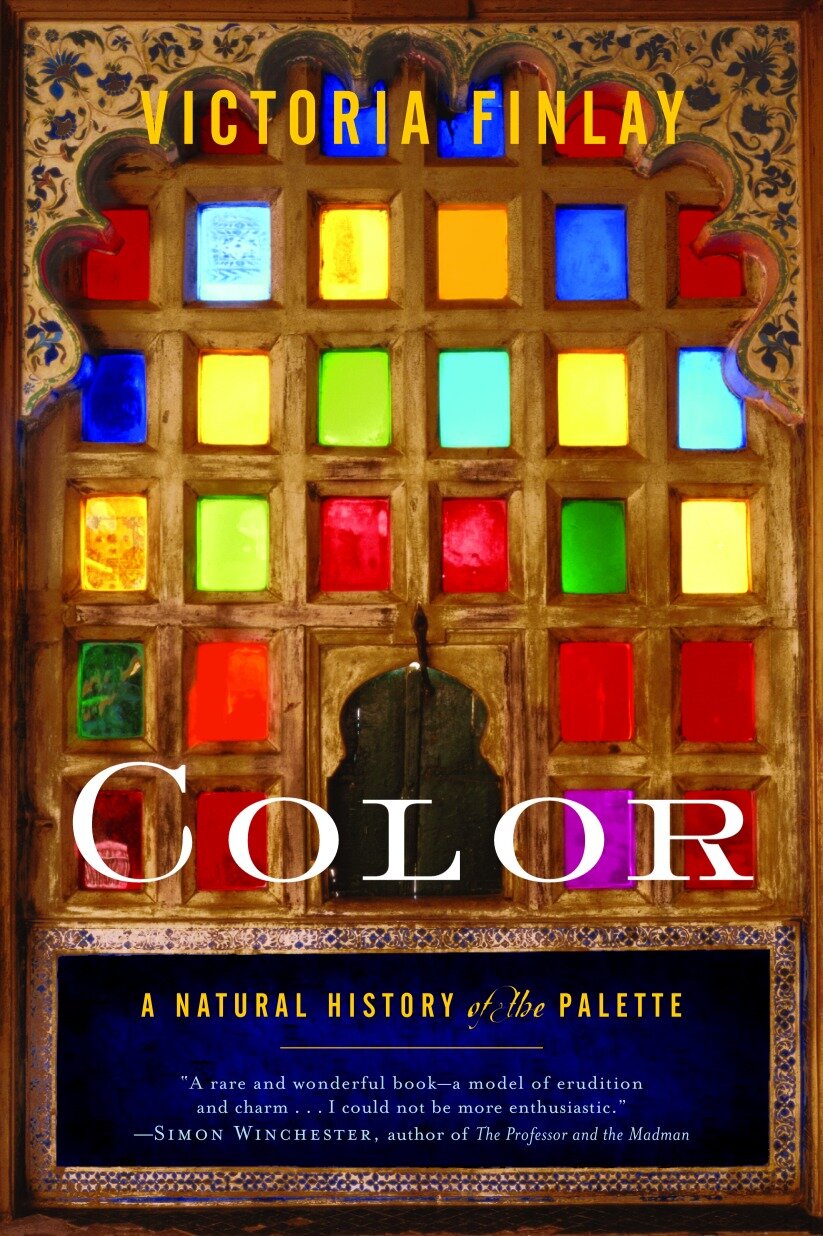
Color
A Natural History of the Palette
Follow the materials and meanings behind familiar hues through an engaging journey across cultures and centuries.
- Themes
- Color in cultural history, Pigments and natural materials, Social and political meanings of color
Color Has a History
Come here for
- The surprising origins of pigments, from minerals to insect blood
- Art history with cultural and political color attached
Expect
- Travel and history woven through lively anecdotes
- A vivid look at how color shapes what societies value
Where it sits
How strongly BookFrontier reads the book as belonging to each subject.
Nearest books
Matched by our semantic model. Ordered by what its readers also loved.
 A Perfect RedAmy Butler Greenfield74% subject matchShares Art History
 The Power of ArtSimon Schama54% subject matchShares Art History
 National Geographic Ultimate Visual History of the WorldJean-Pierre Isbouts50% subject match
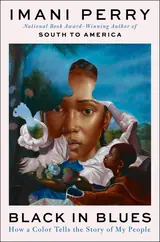 Black in BluesImani Perry61% subject match
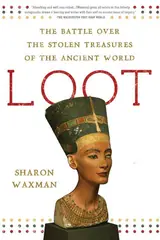 LootSharon Waxman49% subject match
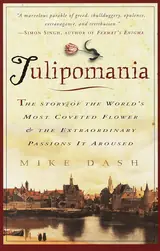 TulipomaniaMike Dash52% subject match
For younger readers: How to Be a Color Wizard: Forage and Experiment with Natural Art Making, 10 Plants That Shook The World, Big Book of Colors
Start with three books, and this one can be the first.
Members get a new edition every morning: a route out from their books to essays, research and talks, with the reason for each.
Sign upAbout this book
In this vivid and captivating journey through the colors of an artist’s palette, Victoria Finlay takes us on an enthralling adventure around the world and through the ages, illuminating how the colors we choose to value have determined the history of culture itself.
How did the most precious color blue travel all the way from remote lapis mines in Afghanistan to Michelangelo’s brush? What is the connection between brown paint and ancient Egyptian mummies?
Continue reading
Why did Robin Hood wear Lincoln green? In Color, Finlay explores the physical materials that color our world, such as precious minerals and insect blood, as well as the social and political meanings that color has carried through time.
Roman emperors used to wear togas dyed with a purple color that was made from an odorous Lebanese shellfish–which probably meant their scent preceded them. In the eighteenth century, black dye was called logwood and grew along the Spanish Main. Some of the first indigo plantations were started in America, amazingly enough, by a seventeen-year-old girl named Eliza. And the popular van Gogh painting White Roses at Washington’s National Gallery had to be renamed after a researcher discovered that the flowers were originally done in a pink paint that had faded nearly a century ago. Color is full of extraordinary people, events, and anecdotes–painted all the more dazzling by Finlay’s engaging style.
Embark upon a thrilling adventure with this intrepid journalist as she travels on a donkey along ancient silk trade routes; with the Phoenicians sailing the Mediterranean in search of a special purple shell that garners wealth, sustenance, and prestige; with modern Chilean farmers breeding and bleeding insects for their viscous red blood. The colors that craft our world have never looked so bright.
Publisher details
Publisher categories
- Color Theory
- Art History
- Authors
- Victoria Finlay
- Publisher
- Random House Publishing Group
- Published
- December 30, 2003
- Format
- Print & ebook
- Reading lane
- Color Theory