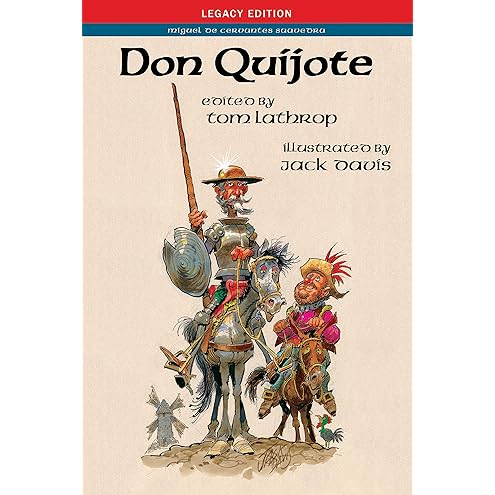
Cervantes in Algiers
A Captive's Tale
Cervantes’s captivity in Algiers comes into view alongside its lasting traces in his writings.
- Themes
- Captivity and its literary legacy, Early modern Christian-Muslim encounters, Cervantes’s life in Algiers
Algiers Behind the Writing
Come here for
- A portrait of sixteenth-century Algiers and life in its prison-houses
- Cervantes’s escape attempts and the terms of his final ransom
Expect
- Historical and literary sources brought together
- Attention to Christian, Muslim, and renegade relations in Cervantes’s writings
Where it sits
How strongly BookFrontier reads the book as belonging to each subject.
Nearest books
Matched by our semantic model. Ordered by what its readers also loved.
 Two Princes of CalabarRandy J. Sparks49% subject match
 The Man Who Invented FictionWilliam Egginton54% subject matchShares Iberian Lit Crit and Renaissance Literary Criticism
 Lieutenant NunCatalina De Erauso53% subject match
 El CidNora Berend57% subject match
 The Life of Lazarillo de TormesW. S. Merwin, Juan Goytisolo56% subject match
For younger readers: I, Juan de Pareja, The Kidnapped Prince, The Lightning Dreamer
Start with three books, and this one can be the first.
Members get a new edition every morning: a route out from their books to essays, research and talks, with the reason for each.
Sign upAbout this book
Returning to Spain after fighting in the Battle of Lepanto and other Mediterranean campaigns against the Turks, the soldier Miguel de Cervantes was captured by Barbary pirates and taken captive to Algiers. The five years he spent in the Algerian bagnios or prison-houses (1575-1580) made an indelible impression on his works.
Continue reading
From the first plays and narratives written after his release to his posthumous novel, the story of Cervantes's traumatic experience continuously speaks through his writings. Cervantes in Algiers offers a comprehensive view of his life as a slave and, particularly, of the lingering effects this traumatic experience had on his literary production.
No work has documented in such vivid and illuminating detail the socio-political world of sixteenth-century Algiers, Cervantes's life in the prison-house, his four escape attempts, and the conditions of his final ransom. Garces's portrait of a sophisticated multi-ethnic culture in Algiers, moreover, is likely to open up new discussions about early modern encounters between Christians and Muslims. By bringing together evidence from many different sources, historical and literary, Garces reconstructs the relations between Christians, Muslims, and renegades in a number of Cervantes's writings.
The idea that survivors of captivity need to repeat their story in order to survive (an insight invoked from Coleridge to Primo Levi to Dori Laub) explains not only Cervantes's storytelling but also the book that theorizes it so compellingly. As a former captive herself (a hostage of Colombian guerrillas), the author reads and listens to Cervantes with another ear.
Publisher details
Publisher categories
- Iberian Lit Crit
- Authors
- Maria Antonia Garces
- Publisher
- Vanderbilt University Press
- Published
- September 25, 2002
- Format
- Print & ebook
- Reading lane
- Iberian Lit Crit