
Asperger's Children
The Origins of Autism in Nazi Vienna
- Themes
- history, autism, Nazi Germany
- Pacing
- Reflective
Who it’s for
- readers interested in historical accounts of autism and Nazi Germany
- students or educators exploring Holocaust history and medical ethics
Where it sits
How strongly BookFrontier reads the book as belonging to each subject.
Nearest books
Matched by our semantic model. Ordered by what its readers also loved.
 In a Different KeyJohn Donvan, Caren Zucker70% subject matchShares Autism Spectrum and Disability Studies
 HitlerJoachim C. Fest51% subject match
 The Hitler of HistoryJohn Lukacs58% subject match
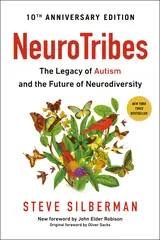 NeurotribesSteve Silberman63% subject matchShares Autism Spectrum and Disability Studies
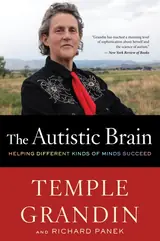 The Autistic BrainTemple Grandin, Richard Panek56% subject matchShares Autism Spectrum
 Hitler's Willing ExecutionersDaniel Jonah Goldhagen53% subject matchShares Holocaust History
 East West StreetPhilippe Sands52% subject matchShares Holocaust History
 Hitler: AscentVolker Ullrich52% subject match
For younger readers: When the World Was Ours, I Was There, Hitler Youth: Growing Up in Hitler's Shadow
Start with three books, and this one can be the first.
Members get a new edition every morning: a route out from their books to essays, research and talks, with the reason for each.
Sign upAbout this book
Shortlisted for the 2019 Mark Lynton History Prize
A groundbreaking exploration of the chilling history behind an increasingly common diagnosis.
Hans Asperger, the pioneer of autism and Asperger syndrome in Nazi Vienna, has been celebrated for his compassionate defense of children with disabilities.
Continue reading
But in this groundbreaking book, prize-winning historian Edith Sheffer exposes that Asperger was not only involved in the racial policies of Hitler’s Third Reich, he was complicit in the murder of children.
As the Nazi regime slaughtered millions across Europe during World War Two, it sorted people according to race, religion, behavior, and physical condition for either treatment or elimination. Nazi psychiatrists targeted children with different kinds of minds—especially those thought to lack social skills—claiming the Reich had no place for them. Asperger and his colleagues endeavored to mold certain "autistic" children into productive citizens, while transferring others they deemed untreatable to Spiegelgrund, one of the Reich’s deadliest child-killing centers.
In the first comprehensive history of the links between autism and Nazism, Sheffer uncovers how a diagnosis common today emerged from the atrocities of the Third Reich. With vivid storytelling and wide-ranging research, Asperger’s Children will move readers to rethink how societies assess, label, and treat those diagnosed with disabilities.
Publisher details
Publisher categories
- 20th-Century History
- Holocaust History
- Medical History
- Authors
- Edith Sheffer
- Publisher
- WW Norton
- Published
- March 10, 2020
- Format
- Print & ebook
- Reading lane
- 20th-Century History