

Book
Are Prisons Obsolete?
Angela Y. Davis
Seven Stories Press · Print & ebook · August 5, 2003
Reading lane: Criminal Sentencing
A Nonfiction pick for readers exploring Are Prisons Obsolete?.
At a Glance
Why This Clicks
Rethinking the Prison
Angela Y. Davis makes a forthright case for abolition and the social transformation it demands.
Come here for
- A clear-eyed argument about prisons and abolition
- Connections between past abolition movements and present possibilities
Expect
- A political case rooted in American history
- A challenge to treat prisons as permanent fixtures
Book Details
- Authors
- Angela Y. Davis
- Publisher
- Seven Stories Press
- Published
- August 5, 2003
- Format
- Print & ebook
- Theme
- Criminal Sentencing · Human Rights
- Reading lane
- Criminal Sentencing
Affinity
Publisher Categories
Criminal Sentencing
Social Policy
Human Rights
About This Book
With her characteristic brilliance, grace and radical audacity, Angela Y. Davis has put the case for the latest abolition movement in American life: the abolition of the prison. As she quite correctly notes, American life is replete with abolition movements, and when they were engaged in these struggles, their chances of success seemed almost unthinkable. For generations of Americans, the abolition of slavery was sheerest illusion. Similarly,the entrenched system of racial s...
Read full description
Similar Books

Freedom Is a Constant Struggle
Angela Y. Davis, Frank Barat · Haymarket Books
Affinity signal
Civil Rights
Global Black Studies
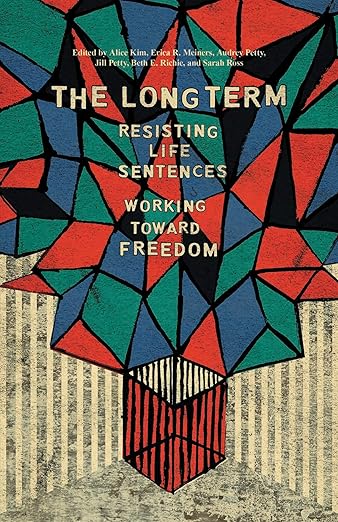
The Long Term
Alice Kim, Erica Meiners · Haymarket Books
Affinity signal
Criminal Sentencing
Human Rights

Incarceration Nations
Baz Dreisinger · Other Press
Affinity signal
Criminal Sentencing
Human Rights

Becoming Abolitionists
Derecka Purnell · Astra Publishing House
Affinity signal
Criminal Law
Policing & Law Enforcement

From the War on Poverty to the War on Crime
Elizabeth Hinton · WW Norton
Affinity signal
Criminal Sentencing
21st-Century America